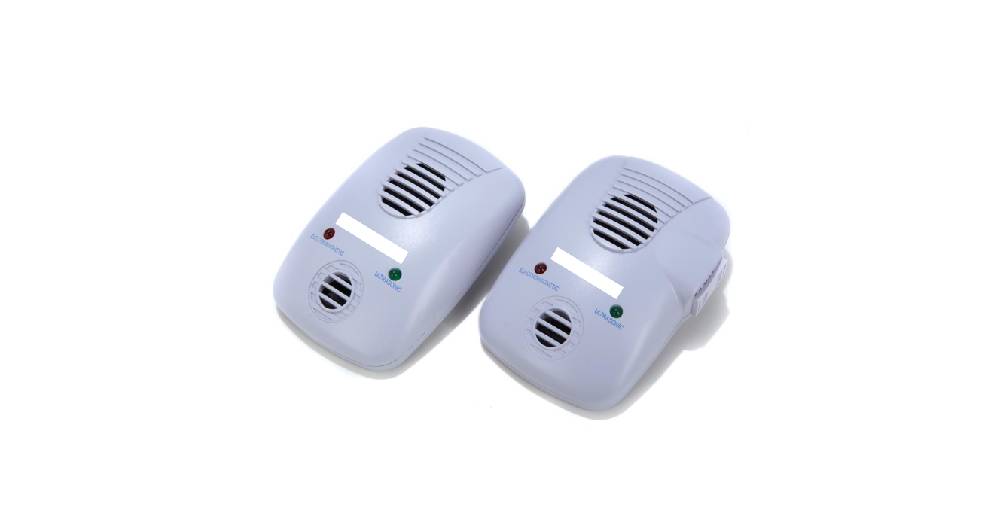
In the realm of pest control, few topics ignite as much intrigue as the efficacy of sonic pest repellents. These devices, marketed as a panacea for annoying critters ranging from rodents to insects, have captivated homeowners seeking a tranquil living environment. Yet, a cloud of skepticism looms large over their claimed effectiveness. Do these devices truly deliver on their promises, or are they merely another episode in the saga of misleading consumer products? In this exploration, we will delve into the mechanics behind sonic pest repellents, scrutinize the evidence surrounding their performance, and uncover what might contribute to their allure.
The Science Behind Sonic Pest Repellers
Sonic pest repellents operate on the premise of emitting high-frequency sounds that are often inaudible to the human ear but purportedly disruptive to common pests. These sounds aim to create an uncomfortable environment for rodents and insects, encouraging them to vacate the premises. The high-frequency waves purportedly disrupt communication, navigation, and mating behaviors in these creatures, making the environment less hospitable.
Despite their appealing concept, the question arises: can sound really drive away pests? This notion is where the science starts to become convoluted. Many studies suggest that while certain frequencies may repel some animals, the evidence often lacks consistency when applied across various species. In essence, while the theory sounds plausible, real-world applications do not consistently affirm this efficacy.
The Varied Reactions of Common Pests
To understand the potential effectiveness of sonic repellents, one must consider how different pests perceive sound. For instance, some studies suggest that rodents, such as mice and rats, possess a highly developed sense of hearing, which could imply a degree of sensitivity to sound waves. However, not all researchers agree on the threshold at which these animals might feel discomfort or disorientation. As a result, some may find the ultrasonic waves unbearable and flee, while others may remain unfazed, demonstrating the unpredictable nature of biological response.
On the insect side of the equation, findings are even more sporadic. The responses of insects to sound waves are not uniform; for instance, while some studies indicate that specific frequencies might interfere with mating calls of mosquitoes, others show little to no impact on more resilient species like ants. This inconsistency further muddles the narrative surrounding sonic repellents.
The Placebo Effect: Is it All in Our Minds?
Beyond the biological realm, another captivating aspect lies in the psychological effect these devices may exert on homeowners. The adoption of sonic pest repellents may engender a sense of confidence; the belief that you are taking proactive steps to safeguard your domain can cultivate an atmosphere of empowerment. This phenomenon can lead to what is known as the placebo effect—a genuine belief in the efficacy of a treatment may precipitate real changes in behavior.
For many, the sight of their sonic repeller flashing its benign lights can instill a sense of security, however unwarranted it may be. Homeowners may report fewer pest sightings following the installation of these devices, attributing this decline to the sonic devices rather than mundane fluctuations in pest populations. This highlights an essential consideration: whether or not sonic pest repellents genuinely work may sometimes be less important than the peace of mind they provide.
Expert Opinions and Consumer Experiences
Experts in pest control often exhibit a notable ambivalence regarding sonic repellers. Some argue that while these devices can serve as a supplementary tool in a comprehensive pest management strategy, they should not replace traditional methods such as traps and insecticides. This view underscores a pragmatic acknowledgment of the multi-faceted nature of pest control—more often than not, a singular solution fails to address the complexity of pest behavior.
From consumer anecdotal evidence, reactions are equally divided. Many users laud their convenience, ethical dimensions, and the fact that they don’t involve toxic chemicals. Others, however, remain skeptical. They discuss ongoing pest issues despite the presence of sonic devices, highlighting a dissonance that begs further exploration. Given the variability in individual experiences, the personal context becomes a crucial element in assessing effectiveness.
Conclusion: A Caveat Emptor Approach
In the grand tapestry of pest control, sonic repellers occupy a niche that remains both fascinating and fraught with ambiguity. While the underlying principles present a plausible avenue for pest deterrence, the real-world efficacy appears shrouded in a veil of inconsistency. Homeowners interested in employing these devices should do so with tempered expectations. Sonic pest repellents may contribute to a broader toolkit in pest management, but they should not be singularly relied upon for total pest eradication. Ultimately, a well-rounded approach, encompassing various traditional strategies, seems prudent for those looking to reclaim their living spaces. Thus, embarking on this journey necessitates not just curiosity, but also discernment and a critical eye.








Leave a Comment