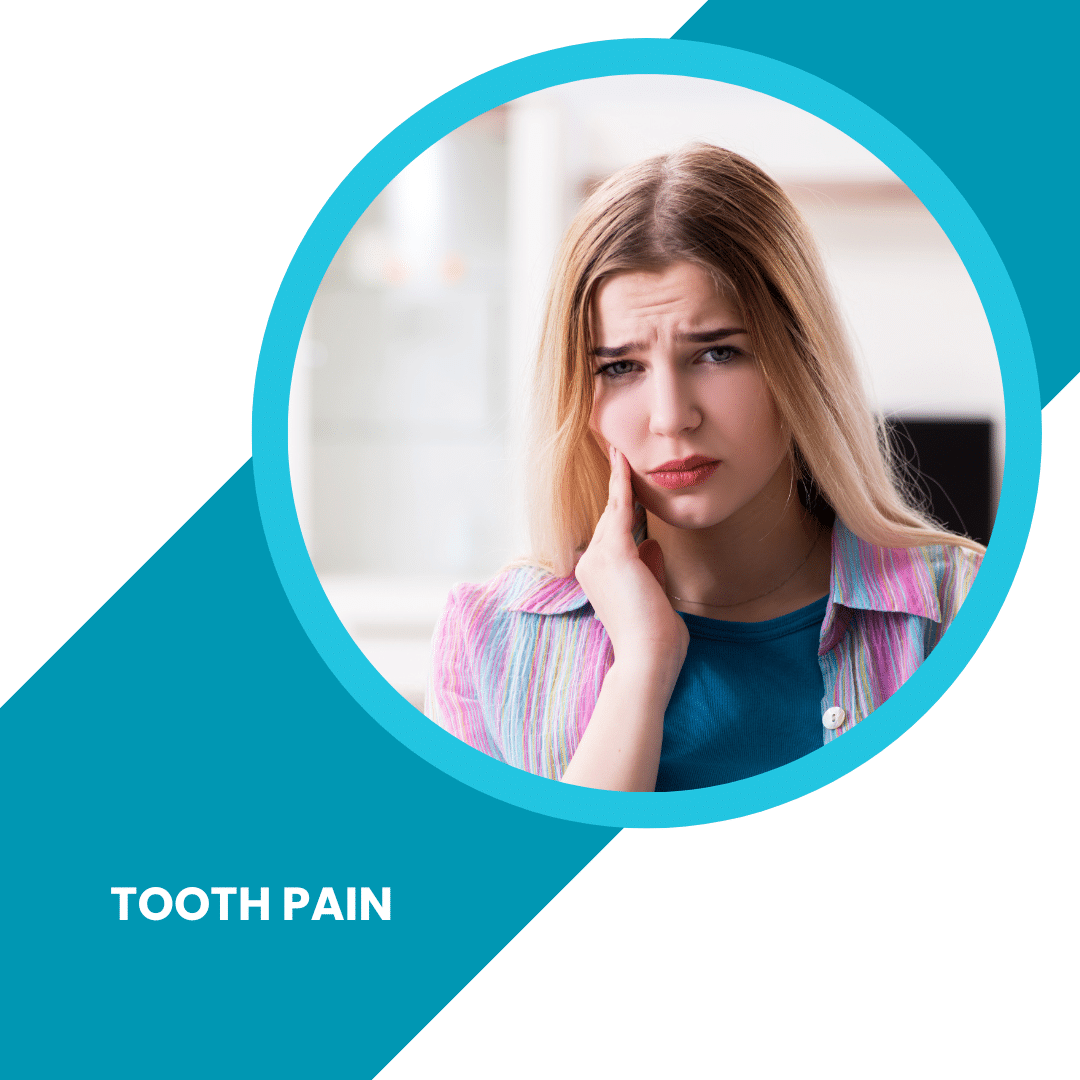
Understanding Pulse Pain in Tooth: A Comprehensive Exploration
Pain in the tooth can manifest in a myriad of ways, evoking distress in those experiencing it. Among these various manifestations, pulse pain stands out, characterized by a rhythmic throb that often interrupts everyday life. It is not merely an inconvenience; it serves as a poignant reminder of our dental health. The phenomenon of pulse pain is not just an indication of dental distress but may also point to deeper, more complex health issues. This article delves into the causes, diagnostic approaches, and treatment options for pulse pain. It also aims to illuminate the body’s intricate communication mechanisms, particularly through the lens of oral health.
What is Pulse Pain in Tooth?
Pulse pain in a tooth is typically described as a throbbing or beating sensation that synchronizes with the heartbeat. This discomfort often signifies heightened sensitivity within the dental tissues, primarily the pulp, which houses nerves and blood vessels. The sensation is not restricted to the tooth alone; it reverberates throughout the jaw and can often accompany symptoms such as swelling, tenderness, or even fever. When one experiences such pain, it is crucial to recognize that this is not a trivial ailment; it is a signal from the body urging for attention.
Causes of Pulse Pain in Tooth
The reasons behind pulse pain in teeth are as diverse as the sensations experienced. Understanding these causes encompasses a spectrum of conditions:
- Dental Caries: Tooth decay, caused by bacterial activity, can lead to the destruction of enamel and dentin, culminating in pulpitis. When the pulp becomes inflamed, throb-like pain often ensues.
- Pulpitis: This term refers to the inflammation of the dental pulp, typically due to untreated cavities or trauma. Irreversible pulpitis can result in severe, persistent throbbing pain, whereas reversible pulpitis usually presents milder discomfort.
- Dental Abscess: Characterized by a localized accumulation of pus, abscesses develop as a consequence of bacterial infections that penetrate through the tooth. The pulse pain associated with abscesses often intensifies, especially when lying down.
- Dental Trauma: A fracture or crack in the tooth may not only disrupt the integrity of the tooth structure but can also irritate the pulp, leading to throbbing sensations.
- Gum Disease: Periodontal infections cause inflammation and receding gums, which can exert pressure on teeth and contribute to discomfort. The inflammation may radiate rhythmically, creating the sensation of pulse pain.
- Bruxism: Grinding or clenching of teeth, particularly during sleep, can lead to muscle strain and stress on the teeth, potentially culminating in pulsing pain.
Diagnosing Pulse Pain
Proper diagnosis of pulse pain in a tooth requires a nuanced approach. A dental professional will typically initiate the process with a thorough examination, which may include:
- Medical History: Understanding previous dental issues, overall health, and current medications can provide vital clues.
- Visual and Physical Examination: Dentists may visually inspect the oral cavity for signs of decay, swelling, or gum disease and may apply pressure to identify areas of discomfort.
- X-Rays: Radiographic imaging is essential for visualizing bone structure, infection spread, and the condition of the pulp and surrounding tissues.
This holistic evaluation allows the dentist to pinpoint the root cause of the pulse pain and tailor an appropriate treatment plan.
Treatment Options for Pulse Pain
Addressing pulse pain necessitates a strategic and often multifaceted approach. Treatment modalities encompass both restorative and therapeutic methods:
- Root Canal Therapy: This procedure involves the removal of inflamed or infected pulp tissue to alleviate pain and save the tooth. It is regarded as a definitive solution for irreversible pulpitis.
- Fillings: If tooth decay is a contributing factor, the removal of decayed tissue followed by the application of dental fillings can restore tooth integrity and function.
- Antibiotics: In instances of infection, dental professionals may prescribe antibiotics to combat bacterial growth, particularly in the case of an abscess.
- Analgesics: Over-the-counter or prescription pain relievers can provide temporary alleviation while the underlying issue is being treated.
- Behavioral Modifications: For conditions such as bruxism, stress management techniques and dental guards may be recommended to minimize grinding and clenching.
Conclusion
Pulse pain in a tooth should never be dismissed as a simple annoyance; it is a significant indicator of potential underlying issues that deserve attention. By understanding the myriad causes, diagnostic approaches, and treatment options available, individuals can empower themselves to take proactive measures regarding their dental health. The interplay between oral and overall health highlights the dental structures’ integral role in our general well-being. Therefore, be mindful of the body’s signals—such as that rhythmic throb within your tooth—and prioritize regular dental consultations. Ultimately, maintaining healthy teeth and gums is not merely about aesthetics; it is a foundational aspect of one’s quality of life.








Leave a Comment