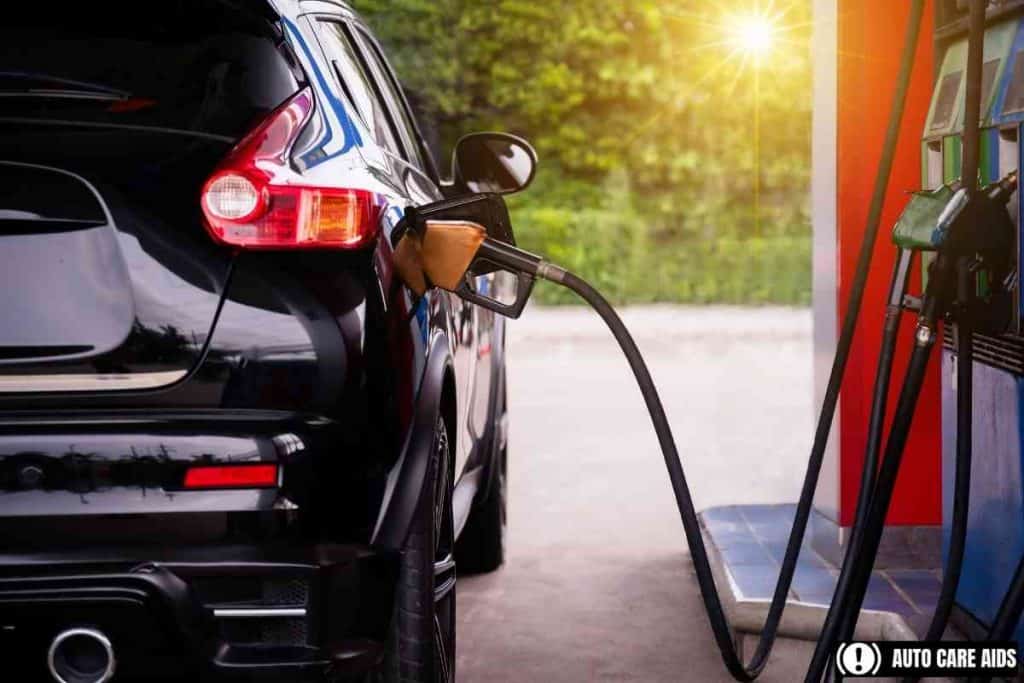
When it comes to refueling vehicles, a common question arises: can you pump gas with the car on? This query might seem trivial at first glance, but the implications touch upon safety, efficiency, and common misconceptions that many drivers encounter. In this article, we will delve into the myriad facets of this topic, exploring the regulations, safety concerns, potential hazards, and best practices surrounding gas pumping with the engine running.
Understanding the Mechanics of Fueling
Before addressing the central question, it is vital to comprehend the fundamental mechanics behind refueling. When a vehicle is stationary at a gas station, the engine operates to power various electrical systems. While most vehicles are designed to handle a range of operational scenarios, the act of refueling introduces specific risks primarily associated with combustion and ignition.
Legislation and Regulations
Different regions have varying regulations regarding the practice of refueling with the engine running. In many places, local laws explicitly prohibit this activity to mitigate fire hazards. Gas stations often display signs advising customers to turn off their engines before fueling. Such regulations exist to protect the public and station staff from potential accidents involving fuel vapors and sparks. Understanding the legal implications is paramount; neglecting these guidelines could lead to fines or, worse, catastrophic incidents.
Potential Safety Hazards
One of the critical concerns associated with pumping gas while the engine is on is the risk of fire. Gasoline vapors are highly flammable, and they can be easily ignited by the heat generated from an idling engine. Furthermore, the vehicle’s ignition system—along with electronic components—can produce sparks that might ignite these vapors. Although rare, incidents do occur where vehicles have ignited while being refueled, underscoring the necessity of adhering to precautions.
Additionally, operational vehicles may pose risks of accidents. If an individual is distracted or rushed while pumping gas with an active engine, they might inadvertently drive away or bump into objects. This scenario heightens the risk of injuries and damages, adding another layer of complexity to the act of refueling.
Industry Best Practices
The consensus among automotive experts and safety organizations is that the safest practice is to turn off the vehicle before refueling. By doing so, you significantly diminish the likelihood of an explosive situation. Here are some best practices to consider:
- Switch Off the Engine: Always turn off your vehicle before getting out to pump gas to reduce the risk of igniting flammable vapors.
- Avoid Using Electronic Devices: Refrain from using phones or other electronic devices while at the pump. The distraction increases the risk of accidents.
- Ground Yourself: Before touching the gas nozzle, consider grounding yourself by touching a metal part of your car to avoid static electricity discharge.
- Fill Decidedly: Use the pump nozzle appropriately and avoid overfilling the tank, which can lead to spills and increased vapor release.
- Observe Signage: Pay close attention to instructions and warnings at the gas station. These messages are in place for your protection.
Common Misconceptions
Numerous myths surround the act of pumping gas, and many drivers fall victim to these false notions. One prevalent misconception is that modern vehicles are immune to hazards related to refueling while on. However, advancements in vehicle technology do not equate to complete safety from the basic principles of combustion and ignition.
Another myth suggests that turning off the engine is not necessary if one is merely refueling quickly. The assumption that a momentary lapse in caution is inconsequential can lead to severe consequences. Gasoline vapors are persistently present, regardless of how fast you believe you can accomplish the task.
Conclusion: Prioritizing Safety and Compliance
In conclusion, while it may seem convenient to pump gas with the car running, the practice is riddled with potential hazards and is often against regulations. Prioritizing the safety of yourself and others at the gas station should take precedence over convenience. By turning off your vehicle before refueling and adhering to best practices, you not only comply with laws but also significantly reduce the risk of accidents. As motorists, it is our responsibility to engage in safe fueling practices that promote a safer environment. Remember, safety is not just about individual action; it is about cultivating a conscientious community that values well-being over expedience. Always turn off the engine when refueling to ensure a safe and secure experience at the pump.










Leave a Comment