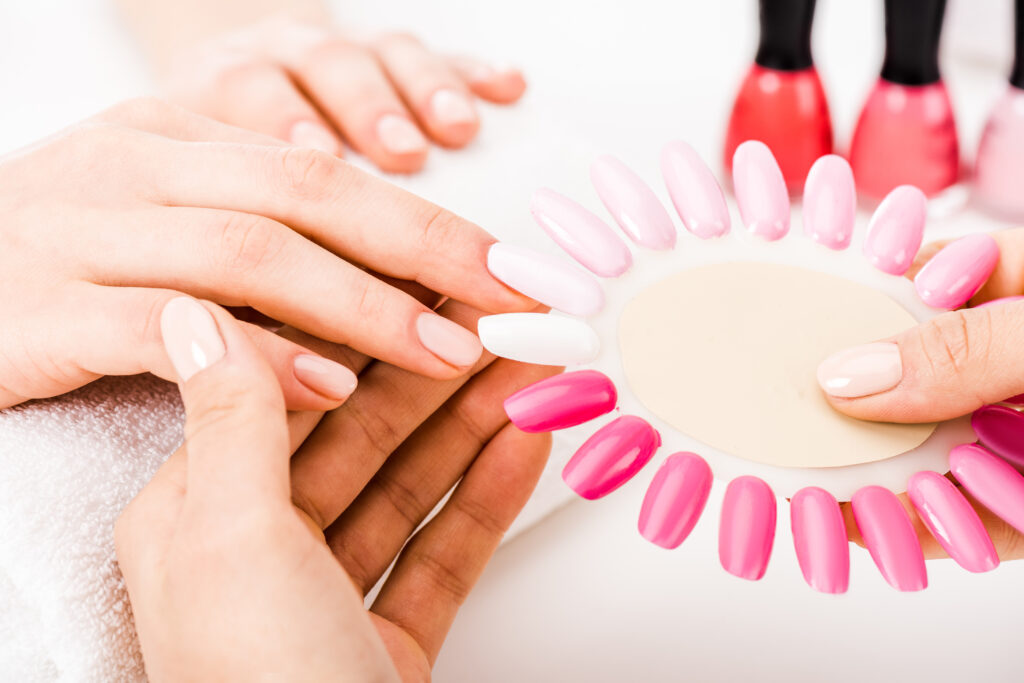
Artificial nails, a marvelous intersection of beauty and technology, have transformed the way many people express themselves through nail art and design. With a veritable cornucopia of options available, choosing the right kind of artificial nails can feel a bit overwhelming. Have you ever pondered how the various types might affect your lifestyle? As you embark on your journey into the realm of faux talons, consider the challenge of ensuring that the choice you make not only suits your aesthetic desires but also aligns well with your daily activities and habits.
For your convenience, we’ll delve into the most prevalent types of artificial nails in detail, examining their characteristics, advantages, and potential drawbacks. Armed with this knowledge, you can make a well-informed selection that will enhance your personal style while catering to your needs.
1. Acrylic Nails
Acrylic nails are perhaps the most well-known type of artificial nails. This durable option involves mixing a liquid monomer with a powdered polymer to create a thick, malleable substance. Once applied over your natural nails, the mix hardens, resulting in a strong and long-lasting finish. The customization possibilities are virtually limitless, ranging from a glossy finish to intricate designs.
Advantages: Exceptional durability, resistant to chipping, and the flexibility to create varied shapes and lengths.
Drawbacks: The application process can be time-consuming, and removal may risk damage to natural nails if not done properly.
2. Gel Nails
Gel nails bring an unparalleled shine and a more natural appearance than acrylics. Made from a gel base that is cured under ultraviolet (UV) light, these nails tend to be more flexible than acrylics yet still provide adequate strength. As gel nails are less likely to yellow over time, they maintain their beauty longer.
Advantages: A more natural look, with a glossy finish and reduced likelihood of lifting.
Drawbacks: The curing process can add extra time, and gel nails may be more susceptible to chips compared to acrylics.
3. Dip Powder Nails
Dip powder nails, a relatively newer contender in the artificial nail world, involve a multi-step process where the nails are coated in a base layer and then dipped into a colored powder. This method can yield long-lasting and durable results without needing the UV light curing process, making it an attractive option for those wary of UV exposure.
Advantages: Quick application, extensive color options, and minimal drying time.
Drawbacks: The potential for thickness that some may find excessive and possible difficulty in removal.
4. Polygel Nails
Polygel nails blend the best features of acrylic and gel systems, offering a lightweight, flexible option that can be easily molded to the desired shape. This hybrid formula is designed to be easy to work with, providing the strength of acrylics with the natural finish of gels.
Advantages: Easier application than acrylics, lighter feel, and less odor during the application process.
Drawbacks: May require specific skills to apply correctly, and improper technique can result in lifting.
5. Nail Wraps
Nail wraps are semi-permanent solutions made from thin sheets of plastic or fabric, which are adhered to the natural nail. These wraps can be elaborate, featuring intricate designs and patterns, making them a favorite for those seeking temporary nail art without the commitment of other artificial nail types.
Advantages: Quick application and an extensive variety of designs and colors.
Drawbacks: Potentially less durable than traditional nail enhancements, and they may not hold up against heavy wear.
6. Press-On Nails
For the proverbial DIY enthusiast, press-on nails offer a no-fuss solution to nail enhancement. These are pre-shaped artificial nails that come with an adhesive backing, allowing for a quick and easy application. With innovations in quality, modern press-on nails can appear incredibly realistic.
Advantages: Instant gratification and ease of use, making them ideal for temporary looks.
Drawbacks: Less durability compared to other types and a tendency to pop off if not applied properly.
7. Gel-X Nails
Gel-X is a revolutionary technique designed for nail extensions using a gel system. This method involves soft gel tips that are applied to the natural nail and cured with UV light, creating an elegant and seamless appearance.
Advantages: Quick application, excellent flexibility, and a lightweight feel.
Drawbacks: Similar to other gel types, they can chip over time and require specific expertise for optimal application.
As you consider the kind of artificial nails that align with your preferences, keep in mind the practicality of your lifestyle. Are you looking for something durable for everyday wear, or is a temporary option more your style for special occasions? Think about how each type fits into your routine and the message your nails convey about your personality.
In conclusion, the spectrum of artificial nails offers a variety of options to suit diverse tastes and lifestyles. Each type, from sturdy acrylics to appealing press-ons, comes with its unique set of pros and cons. Choose wisely, and embrace your nail journey with creativity and flair! Remember, your nails are an extension of yourself—a striking canvas waiting to tell your story.










Leave a Comment