Introduction
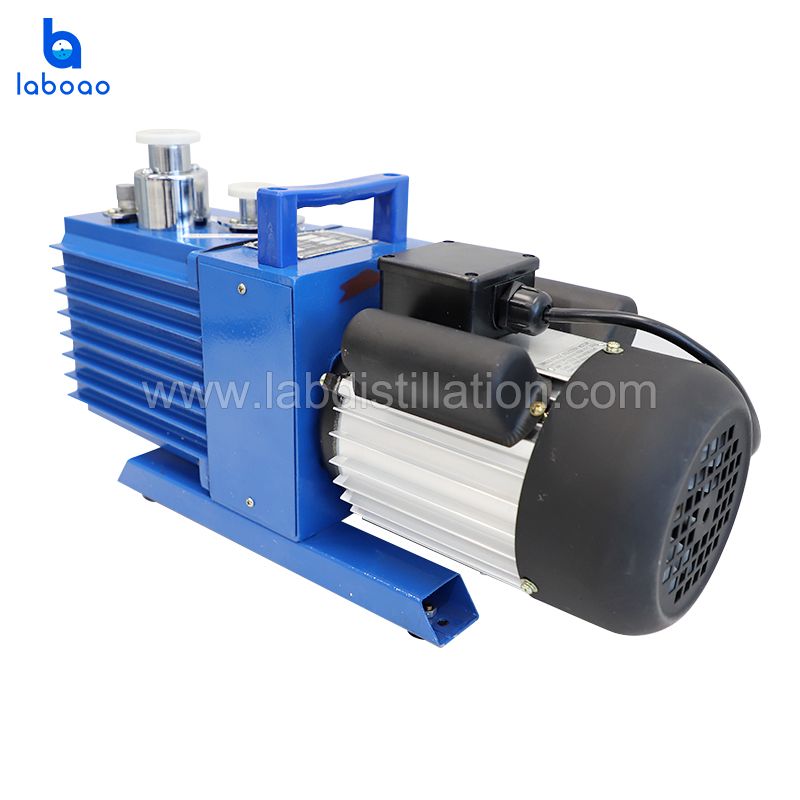
In the world of vacuum technology, rotary vane vacuum pumps have carved out a significant niche, largely due to their versatility and efficiency. These pumps are integral in various industrial applications, spanning from laboratories to manufacturing facilities. Their design allows for the effective removal of air and other gases, creating a vacuum that is necessary for various processes. In this article, we will explore the mechanics, types, advantages, and applications of rotary vane vacuum pumps, along with maintenance tips, to give a comprehensive understanding of this remarkable device.
Understanding the Mechanics
The rotary vane vacuum pump operates on the principle of positive displacement. At its core, the device comprises a rotor mounted within a cylindrical housing. The rotor is equipped with slots that accommodate movable vanes, which slide in and out as the rotor spins. This mechanism creates chambers of changing volume; as the vanes rotate, they trap gas and transport it toward an exhaust, effectively creating a vacuum in the inlet area.
What sets rotary vane pumps apart is their ability to handle low to medium vacuum levels with a relatively high pumping speed. The construction ensures minimal wear and tear due to the lubricated nature of the operation, enhancing their longevity and reliability over time.
Types of Rotary Vane Vacuum Pumps
There are two primary types of rotary vane vacuum pumps: oil-sealed and dry vane pumps. Understanding their differences is crucial for selecting the right pump for a specific application.
- Oil-Sealed Rotary Vane Pumps:
These pumps utilize oil to act as both a lubricant and a sealant. The oil fills the spaces between the vanes and the pump housing, ensuring efficient operation and reducing wear. However, they do require regular oil replacement and maintenance to prevent contamination. Oil-sealed pumps excel in industrial applications where the removal of moisture and other vapors is necessary.
- Dry Rotary Vane Pumps:
As the name suggests, dry rotary vane pumps do not rely on oil for sealing or lubrication. Instead, these pumps often utilize high-performance materials for the vanes that minimize wear while providing efficient operation. Dry pumps are particularly advantageous in applications sensitive to oil contamination, making them ideal for pharmaceutical and food processing industries.
Advantages of Rotary Vane Vacuum Pumps
Rotary vane vacuum pumps offer a multitude of advantages that make them a preferred choice in many sectors:
- Efficiency:
These pumps operate smoothly across a range of pressures, offering high efficiency levels, particularly in low vacuum applications. The design minimizes energy consumption while maximizing output, crucial for cost-efficient operations.
- Flexibility:
Whether used for laboratory processes, packaging, or material handling, rotary vane pumps can adapt to different tasks, making them incredibly versatile.
- Compact Design:
The compact nature of rotary vane pumps allows for space-saving installations in factories or laboratories where space is at a premium. Their lightweight construction also facilitates easier transportation and maneuverability.
- Low Noise Levels:
Compared to other types of vacuum pumps, rotary vane pumps operate with relatively low noise emissions, making them suitable for environments where noise pollution is a concern.
Applications of Rotary Vane Vacuum Pumps
The use cases for rotary vane vacuum pumps are extensive and varied. Their adaptability has led to their implementation in numerous fields:
- Food Processing:
Vacuum packaging is essential in preserving the freshness of food products. Rotary vane pumps play a crucial role in achieving the necessary vacuum levels to ensure longer shelf life.
- Medical and Pharmaceutical:
In laboratories and manufacturing sites, these pumps are used to create sterile environments essential for producing drugs or other medical products.
- Aerospace:
In the aerospace industry, maintaining a vacuum is vital for various processes such as coating and material testing, where rotary vane pumps excel.
- Chemical Industry:
Many chemical processes require a controlled vacuum environment to prevent contamination or reaction failures. Rotary vane pumps can precisely regulate this atmosphere.
Maintenance Tips for Optimal Performance
Proper maintenance is crucial to ensure the longevity and efficiency of rotary vane vacuum pumps:
- Regular Oil Changes:
For oil-sealed pumps, monitor oil levels and replace it as necessary to prevent contamination and ensure optimal operation.
- Check Vane Condition:
Inspect the vanes regularly for wear and tear. Replace them as needed to maintain effective sealing and performance.
- Clean Filters:
Keep inlet filters clean to prevent debris from entering the pump, which can cause premature wear.
- Monitor Operating Temperatures:
Excessive heat can be detrimental. Ensure the pump operates within its specified temperature range to avoid damaging components.
Conclusion
In conclusion, rotary vane vacuum pumps stand out due to their efficiency, versatility, and robust design, making them a staple in various industrial applications. Whether in food processing or pharmaceuticals, these pumps provide a reliable solution for creating necessary vacuum environments. With proper maintenance, they can offer years of dependable service. Educating oneself on the different types of pumps, their advantages, and applications can lead to more informed decisions and ultimately better outcomes in vacuum technology.











Leave a Comment