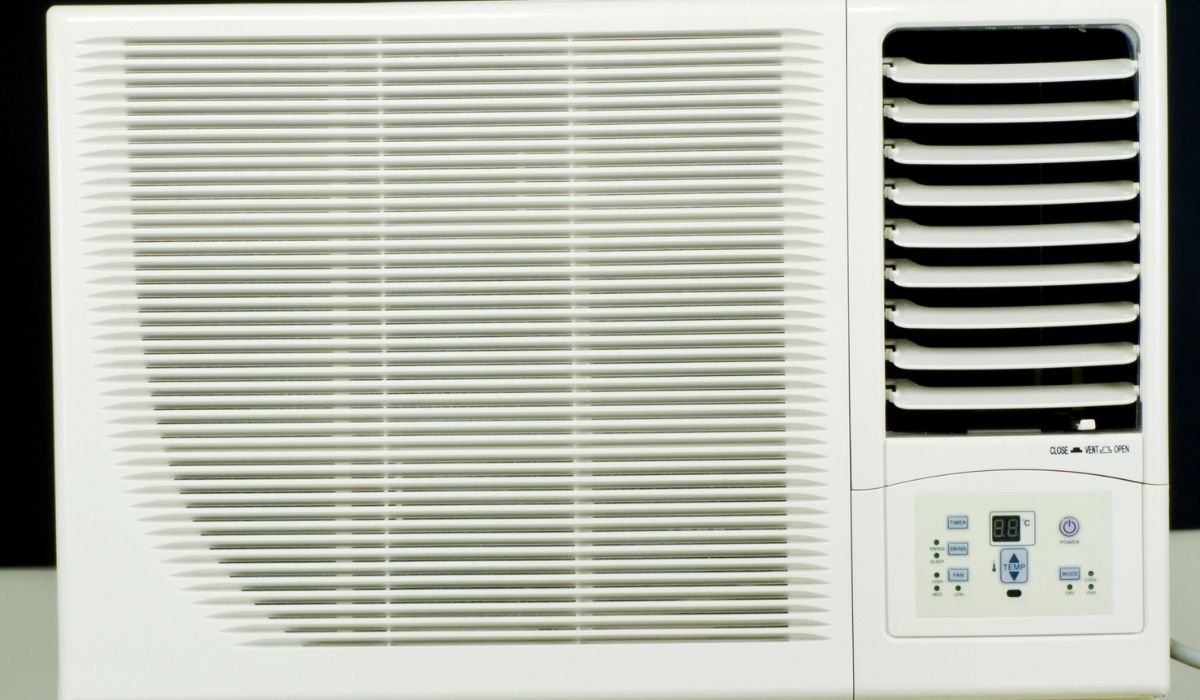
When it comes to maintaining a comfortable indoor climate, many homeowners are turning to window air conditioning units equipped with heat pump technology. These versatile appliances not only cool the air in scorching summer months but also provide efficient heating during the chill of winter. As energy efficiency becomes paramount in today’s environmentally conscious society, understanding the various types of window AC units with heat pumps can greatly assist in making an informed decision. This article delves into the intricacies of these units, exploring their types, features, benefits, and factors to consider when selecting the ideal model for your needs.
Understanding Window AC Units with Heat Pumps
At their core, window air conditioning units with heat pumps function by transferring heat rather than generating it. In cooling mode, the unit extracts heat from your home, transferring it to the outside air. Conversely, in heating mode, it draws in heat from the outside and pumps it inside, even in lower temperatures. This dual functionality makes them an attractive choice for year-round climate control.
Types of Window AC Units with Heat Pumps
Window AC units equipped with heat pumps come in various styles, each designed to cater to different preferences and requirements. Here are some prevalent types:
- Single-zone Mini-Split Units: Often used in homes without ductwork, single-zone mini-split systems provide both heating and cooling through a compact, efficient design. These units allow for targeted climate control, making them ideal for specific rooms or areas within a larger space.
- Multi-zone Mini-Split Units: For those seeking to heat or cool multiple spaces, multi-zone systems offer several indoor air handlers connected to one outdoor unit. This flexibility permits differentiated temperature settings across different rooms, optimizing comfort and energy use.
- Portable Window Units: If you prefer a more temporary solution, portable window AC units with heat pumps can be moved from room to room. These units can be beneficial for renters or those who wish to avoid permanent installation.
- Through-the-Wall Units: Designed to be permanently installed through an exterior wall, these units are often more robust than standard window units. They offer greater durability and longevity, making them suitable for both residential and commercial applications.
- Commercial Units: For larger spaces or buildings, commercial window AC units with heat pumps might be necessary. These units boast higher cooling and heating capacity to accommodate extensive areas effectively.
Key Features of Window AC Units with Heat Pumps
When selecting a window AC unit with a heat pump, several features can enhance your experience:
- Energy Efficiency Ratings (EER and SEER): These ratings indicate the unit’s efficiency in both cooling and heating modes. Higher numbers suggest lower energy consumption, an essential factor in reducing utility bills.
- Programmable Thermostats: Many modern units come equipped with programmable settings, allowing users to set specific temperatures or schedules. This feature can significantly enhance comfort levels and efficient energy use.
- Quiet Operation: Noise levels can vary widely among different models. Opting for a unit designed for quieter performance can enhance your living environment, particularly in bedrooms or workspaces.
- Filter Systems: Advanced filtration systems can help purify the air, trapping allergens and pollutants. Units with washable or replaceable filters will also ease maintenance.
- Smart Technology: Some contemporary models connect to Wi-Fi, allowing for remote control via smartphone apps. This feature offers convenience and enhances temperature control, ensuring you return to a comfortable home.
Benefits of Using a Window AC Unit with a Heat Pump
Investing in a window AC unit with a heat pump comes with several noteworthy advantages:
- Year-Round Comfort: These units provide both heating and cooling capabilities, making them an all-season solution for homeowners looking to maintain a consistent climate throughout the year.
- Reduced Energy Bills: Because heat pumps are more energy-efficient than traditional electric or fossil fuel heating systems, they can result in significant savings on energy bills.
- Environmentally Friendly: By using a heat pump for heating needs rather than traditional methods, homeowners can reduce their carbon footprint and contribute to a more sustainable future.
- Space-Saving Design: Window units take up minimal space, which can be particularly advantageous in smaller homes or apartments where square footage is at a premium.
Factors to Consider When Choosing a Window AC Unit with a Heat Pump
Before making a purchase, several key factors should be examined to ensure you choose the right unit:
- Room Size: Selecting a unit appropriate for the size of the space will ensure efficient heating and cooling. Consult a sizing guide or manufacturer recommendations for ideal BTU ratings.
- Climate: Evaluate your climate and how extreme temperatures are. Heat pumps perform well in milder climates but can be less effective in extremely low temperatures.
- Budget: Consider initial costs, installation fees, and long-term energy savings to determine an acceptable budget for your window AC unit with a heat pump.
- Maintenance Requirements: Assess how much upkeep you are willing to perform. Units requiring minimal maintenance may be more appealing for busy households.
Conclusion
Window air conditioning units equipped with heat pumps represent a modern solution to year-round climate control, blending functionality with efficiency. By understanding the different types, features, and benefits, as well as considering essential factors tailored to your needs, you can confidently choose a window AC unit that will provide comfort throughout all seasons. The right choice can lead to not only improved living conditions but also significant savings on energy bills, contributing to a more sustainable lifestyle.







Leave a Comment