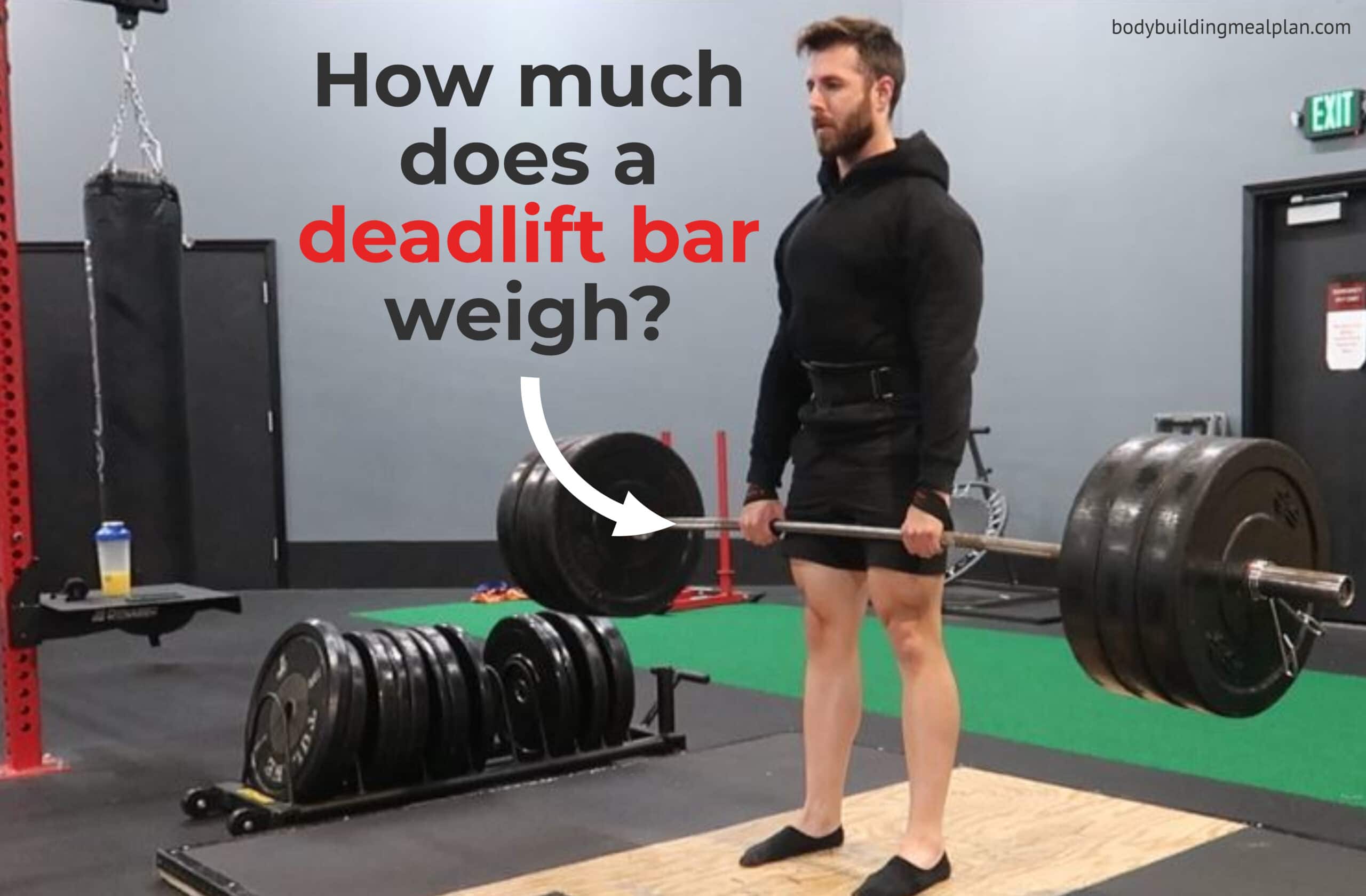
The allure of the weightlifting bar is akin to the siren call of ancient mariners, beckoning enthusiasts to embark on a journey of strength and self-discovery. Understanding the weight of the bar is not merely a matter of numbers; it symbolizes the foundation upon which the monumental structure of physical fitness is built. In this exploration, we will delve into the nuanced world of barbell weights, examining their various types, functions, and the subliminal significance they hold for athletes at all levels.
To embark on this odyssey, it is essential to recognize that not all bars are created equal. The weight of the bar is determined by its type and intended use. The most ubiquitous variant, the standard Olympic barbell, weighs 45 pounds (approximately 20.4 kilograms) for men and is crafted to withstand the rigors of professional lifting. This bar’s elegant design is complemented by its resilient construction, featuring a 28mm diameter shaft that provides a robust grip while allowing for a seamless transition during lifts. Imagine it as a sturdy bridge, supporting not only the physical load but also the mental fortitude required to conquer one’s fitness aspirations.
Conversely, the women’s Olympic barbell serves as a lighter alternative, tipping the scales at 33 pounds (around 15 kilograms). With a thinner shaft of 25mm in diameter, this bar is a testament to inclusivity within the realm of strength training, inviting practitioners of all genders to partake in the art of lifting. It is the embodiment of empowerment, echoing the idea that strength knows no gender and can be harnessed by anyone willing to rise to the challenge.
Beyond the Olympic standards, there exists a plethora of specialty bars, each with its own specified weight and purpose. For instance, the trap bar, typically designed for deadlifts, weighs around 45 pounds, but its unique shape and grip positions enable lifters to engage their muscles differently. Consider it as a bespoke craftsman’s tool, tailor-made to fortify specific techniques and enhance performance.
Then there’s the iconic squat bar, often weighing between 55 to 70 pounds, depending on its construction and design. Its elongated shaft and enhanced stability are intended to facilitate safe and effective squatting mechanics, allowing lifters to push their limits while navigating the intricacies of form and balance. In this sense, the squat bar represents the unwavering commitment to safety, where every ounce of weight is meticulously calibrated for both challenge and support.
However, the conversation surrounding bar weight is not merely a numerical exercise; it extends into the realms of psychology and personal growth. The bar can serve as a metaphorical anchor, representing both the burdens we carry and the heights we aspire to reach. Each time a lifter approaches the bar, there exists an opportunity to confront one’s limitations, shatter mental barriers, and redefine the very essence of what it means to be strong.
As one navigates the physical landscape of weightlifting, understanding the concept of “effective weight” becomes paramount. This refers not only to the bar’s actual weight but how it feels to the individual lifter based on myriad factors—including technique, body mechanics, and personal conditioning. For some, a standard Olympic bar might feel like a feather, while for others, it could be a monolithic challenge—demonstrating the intimate relationship between an athlete and their equipment.
Additionally, lifters commonly augment the weight of their bars with plates, and this brings forth another fascinating layer to our inquiry. Standard Olympic plates, usually weighing 45 pounds (20 kilograms), serve as the primary increment for progressive overload—the cornerstone of strength training. Each addition to the barbell becomes an embodiment of growth, as every plate represents a step toward a more formidable version of oneself. Thus, the bar transforms into a canvas, where practitioners paint their journey with plates of various weights, each telling a story of progression.
Furthermore, one must consider the significance of grip and texture. The knurling on bars, those ridges that invite a firm grasp, varies among types and can greatly affect performance. Smooth, slick surfaces may evoke a sense of hesitation, while aggressive knurling instills confidence—a representation of control amidst the chaos of a heavy lift. This interplay between touch and strength serves as a microcosm of the broader relationship between human desire and physical capability.
In conclusion, pondering the question of how much the bar weighs traverses far beyond mere measurements. Each barbell is a multifaceted instrument—a bridge to strength, a tool of empowerment, and a canvas for personal narratives yet to unfold. Whether one wields the standard Olympic bar or engages with intricate specialty bars, each encounter holds the potential for transformation. As lifters load their chosen bars with hopes, aspirations, and often, their very soul, they embark on a voyage not solely defined by the weight they lift but by the resilience and fortitude they cultivate along the way. Thus, the bar stands as a paragon of the human spirit’s unwavering quest for greatness—a beckoning challenge, a steadfast companion, and ultimately, a testament to the power of determination.











Leave a Comment