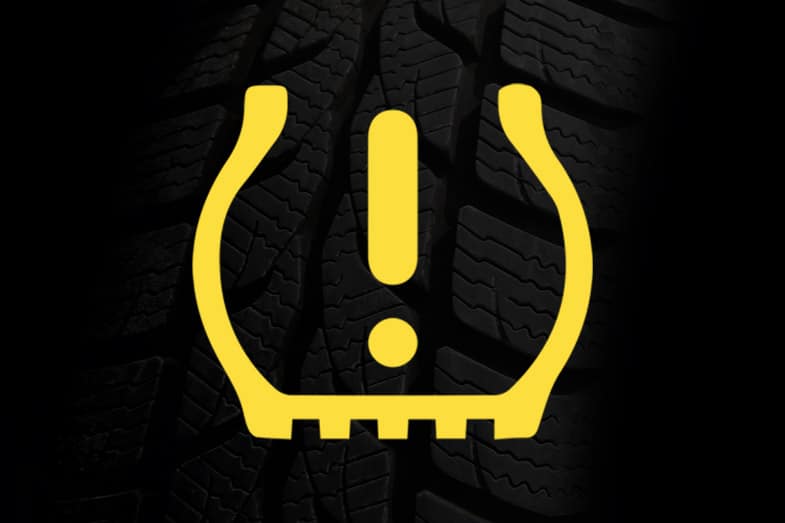
The blinking tire pressure light on a vehicle’s dashboard is a peculiar phenomenon that captures the attention of many drivers. For some, it induces a sense of immediate concern, while for others, it is merely an annoyance, a persistent reminder of an underlying issue that demands attention. However, the blinking tire pressure light signifies more than just low tire pressure; it represents a fundamental aspect of vehicle monitoring and maintenance, underscoring the intricate relationship between machinery and driver insight.
Understanding the implications of a blinking tire pressure light requires delving into its functionalities. The tire pressure monitoring system (TPMS) is a critical safety feature engineered to alert drivers to potentially hazardous conditions. When this light blinks, it usually indicates a malfunction within the system or that the tire pressure is at a precarious level, warranting immediate investigation. This section aims to elucidate the potential reasons behind the flickering light and how drivers can respond to such warnings.
1. Understanding Tire Pressure Monitoring Systems (TPMS)
To grasp the significance of the blinking tire pressure light, it is essential to understand what a TPMS entails. This system employs sensors on each tire to measure air pressure continuously. By communicating with the vehicle’s onboard computer, it alerts the driver when tire pressure falls below the recommended threshold. There are two primary types of TPMS: direct and indirect. Direct systems use individual tire sensors to report real-time pressure, while indirect systems rely on the vehicle’s ABS sensors to infer pressure levels from wheel speed variations.
2. The Meaning Behind a Blinking Light
When the tire pressure light blinks, it typically signifies one of the following scenarios:
- Low Tire Pressure: If the pressure in one or more tires is significantly below the manufacturer’s recommendations, the light may illuminate. This occurrence is often due to natural air loss from tires or external factors such as temperature fluctuations.
- Faulty TPMS Sensors: A blinking light may also indicate a malfunction or failure of one or more TPMS sensors. These devices can be susceptible to damage from road conditions, corrosion, or battery depletion, which can lead to erroneous readings.
- System Malfunctions: Beyond mere sensor issues, the entire TPMS may encounter operational failures, leading to the blinking warning. Diagnosing the root cause of such malfunctions often necessitates a thorough diagnostic examination.
3. Immediate Actions When the Light Blinks
Encountering a blinking tire pressure light demands prompt attention. Here are systematic steps to address this warning effectively:
- Check Tire Pressures: Utilize a reliable tire pressure gauge to verify individual tire pressures. Compare these readings to the manufacturer’s specifications, typically found on a label inside the driver’s side door or in the vehicle’s manual.
- Inspect the Tires: A visual inspection of the tires should follow. Look for evident signs of damage, punctures, or irregular wear patterns that may have caused the pressure drop. Rotating or replacing tires may be necessary based on their condition.
- Reset the TPMS: After adjusting tire pressures, it may be necessary to reset the TPMS to clear the blinking light. Most vehicles have a reset button located beneath the steering column, or this can usually be done via the vehicle’s onboard menu system.
- Consult a Mechanic: If the light continues to blink after taking these steps, consulting a professional mechanic is advisable. They can perform advanced diagnostics to ensure the TPMS is functioning optimally and that there are no additional mechanical concerns affecting the vehicle’s performance.
4. Common Misconceptions
Despite its significance, the blinking tire pressure light is often surrounded by misconceptions. Some drivers may ignore it, believing that tire pressures can resolve themselves or that the vehicle can be driven safely without immediate intervention. This line of thinking is perilous. Ignoring a blinking light can lead to decreased fuel efficiency, increased tire wear, or catastrophic tire failure, putting both the driver and others on the road at risk.
5. Preventive Measures
To avert a blinking tire pressure light, routine tire maintenance should be considered paramount. Regularly checking tire pressures, especially before long trips or significant temperature changes, can save drivers considerable hassle. Additionally, scheduling periodic inspections and rotations of tires contributes to overall vehicle safety and extends tire lifespan.
Conclusion
The blinking tire pressure light serves as a vital reminder of the intricate interplay between vehicle health and driver awareness. It is a symbol of the deeper relationship we share with our vehicles—one that relies on attentive monitoring and preventative maintenance. By recognizing the implications of the light and responding promptly, drivers can maintain not only the integrity of their vehicles but also ensure their safety on the road. As such, the seemingly simple blinking light transcends its immediate annoyance, reflecting a more profound commitment to responsible vehicle ownership and, through it, a secure driving experience.










Leave a Comment