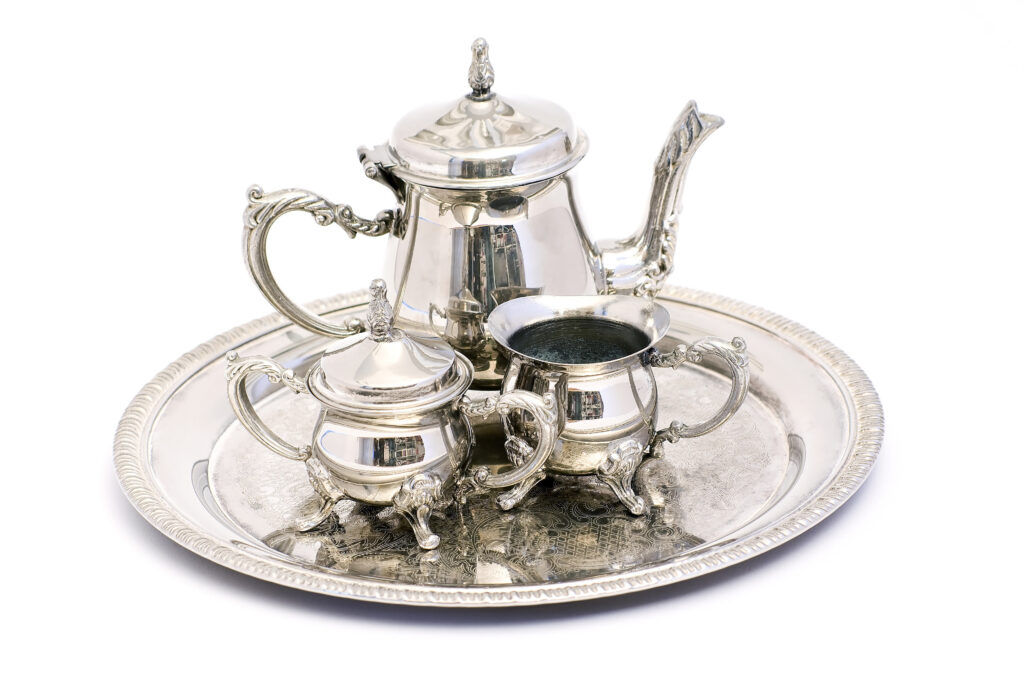
The allure of silver has captivated humanity for millennia. Its luster, malleability, and intrinsic value have made it a sought-after material for jewelry, currency, and decorative objects. However, in the realm of precious metals, a common paradox arises: the confusion between silver and its more sophisticated counterpart, sterling silver. Understanding these two distinct entities not only unveils the intricate nature of metallurgy but also illuminates the cultural and emotional connections people have with these shimmering metals.
To discern the tantalizing nuances between silver and sterling silver, we must delve into the properties, compositions, uses, and historical significance of each. Such an exploration reveals why these materials spark fascination and spark queries about authenticity, durability, and value.
1. Definition and Composition
At its core, silver is a pure metal, denoted by the chemical symbol Ag. It is renowned for its high conductivity, malleability, and ductility. However, due to its softness, pure silver alone proves impractical for many applications, especially in jewelry. To mitigate these limitations, artisans often alloy silver with other metals. Sterling silver emerges as the most popular alloy, comprising 92.5% silver and 7.5% of other metals, typically copper. This specific blend ensures that while the silver retains its characteristic sheen, it gains the necessary resilience for everyday wear.
2. Markings and Authenticity
One of the pivotal ways to distinguish between silver and sterling silver lies in their markings. The purity of sterling silver is often confirmed by the presence of stamps or hallmarks. These may include “925,” which indicates the 92.5% silver content, or the maker’s mark, which authenticates the craftsmanship of the item. Pure silver, on the other hand, is usually less frequently marked, as it possesses distinctive properties that naturally denote its authenticity. However, the presence or absence of these inscriptions is critical for consumers seeking genuine materials.
3. Durability and Care
While pure silver boasts radiant beauty, its softness renders it more susceptible to scratches and dents. In contrast, sterling silver’s alloyed composition creates a much more durable material, making it suitable for everyday items like rings and bracelets. That said, sterling silver can still tarnish over time due to its copper content reacting with sulfur compounds in the air. Regular care, including cleaning and proper storage, can significantly extend its life. This need for maintenance often reflects the deeper emotional relationships individuals form with these pieces, as they become cherished keepsakes rather than mere accessories.
4. Aesthetic Qualities
Though both pure silver and sterling silver share a similar visual appeal, nuances in appearance do exist. Pure silver often exhibits a brighter whiteness, while sterling silver has a slightly warmer tone due to the inclusion of copper. This tonal variation may influence an individual’s choice based on personal preference. Additionally, the finish can range from high polish to matte, allowing artisans to create diverse designs that cater to various tastes—each piece telling its unique story through its craftsmanship.
5. Historical Context
The history of silver and sterling silver weaves a tapestry rich in cultural significance. Historically, civilizations like the Egyptians and Greeks utilized silver for everything from currency to ceremonial objects, embodying wealth and status. Sterling silver, particularly, gained prominence in the Middle Ages, becoming a standard for crafting coins and decorative items. The evolution of these materials reflects societal changes, values, and technological advancements. This historical richness adds layers of intrigue for collectors and enthusiasts alike, invoking a sense of connection to past eras.
6. Environmental Considerations
In our contemporary world, the jewelry industry faces scrutiny regarding sustainability and ethical sourcing. Silver mining, especially, can result in ecological damage if not conducted responsibly. Many jewelers are turning to recycled sterling silver, which retains the same quality and aesthetic as new silver but minimizes environmental impact. Such conscious choices resonate deeply with consumers who value not only beauty but also ethics and responsibility within their purchasing decisions.
7. Investment Value
Investment in silver can take many forms, with pure silver often viewed as a direct store of value. While sterling silver does not hold the same intrinsic value due to its alloyed nature, it still possesses market appeal, particularly among collectors. Factors like craftsmanship, historical significance, and brand desirability can elevate sterling silver items to considerable worth. Investors delving into silver must navigate these complexities, understanding how the metal’s allure transcends mere monetary significance.
8. Personal Connection
Ultimately, the fascination with silver and sterling silver extends beyond their physical properties. Each piece carries a narrative, often tethered to personal milestones such as engagements, anniversaries, or family heirlooms. The emotional resonance of these metals enhances their significance, transforming objects of value into vessels of memory and sentiment—a reminder of love, loss, and legacy.
As one delves deeper into the difference between silver and sterling silver, it becomes clear that these two materials embody more than mere distinctions in composition and durability. They reflect an intricate interplay of history, culture, and individual experience, weaving a narrative as compelling as the shimmering products crafted from them. Whether purchased for investment, craftsmanship, or sentimental value, understanding the dichotomy between silver and sterling silver illuminates the undeniable allure of these cherished metals.







Leave a Comment