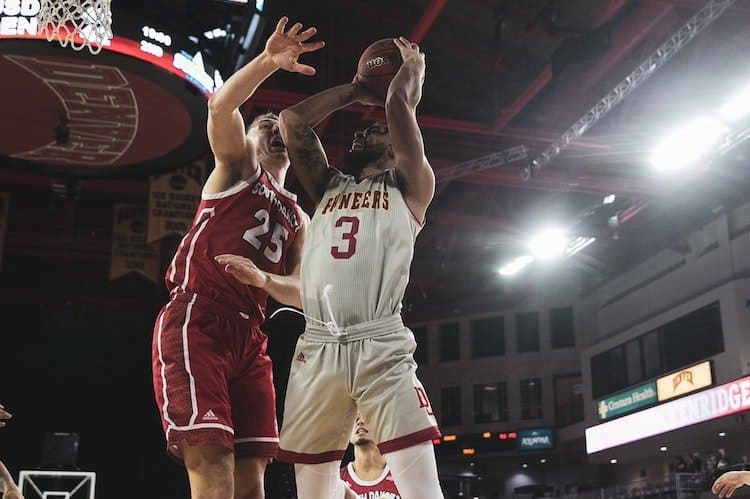
Basketball, a sport characterized by its dynamic movements and synchronized play, often prompts the question: “Is it a contact sport?” To the untrained eye, the fast-paced nature of the game and the physical intensity of player interactions might suggest that it belongs squarely within the category of contact sports. However, the reality is more nuanced. To unravel this complicated question, one must delve into the finer aspects of the game, its rules, and the broader implications of physicality in basketball.
Understanding the classification of sports generally hinges on the degree of physical contact allowed or encouraged during play. Contact sports are typically defined as those in which players engage in significant physical confrontations, often leading to bodily collisions. Rugby and football epitomize this, where pushing, shoving, and tackling form integral components of the gameplay. In contrast, basketball boasts its own set of intricacies that affect its classification.
At its core, basketball incorporates elements of contact, but it is not predominantly classified as a contact sport. The National Basketball Association (NBA) and other governing bodies have established a framework that emphasizes skill and finesse over brute force. While players routinely encounter physical challenges, there are strict regulations governing player contact, aimed at minimizing injury and promoting fair play. Consider the difference between deliberate fouls and incidental contact; the latter signifies the game’s inherent physicality without crossing into dangerous territory.
Many observers point to the collisions that arise during driving toward the basket or when defending against an offensive maneuver as evidence of basketball’s inherently contact-driven nature. In these moments, players engage in physical interactions that may appear aggressive. However, the rules surrounding fouls are meticulously defined. A player is considered to have fouled when they engage in illegal physical contact, such as pushing or holding, which could impede the opposing player’s ability to play. This structured enforcement signifies an intent to maintain a competitive yet safe environment, countering the archaic notion that more aggression equates to a better game.
Furthermore, the variation in contact levels across different contexts—professional leagues, college basketball, and street games—also sheds light on the multifaceted nature of the sport. In professional settings, players are often larger and more physically conditioned, leading to more potent collisions. Yet, even in these high-stakes environments, the focus tends to lean towards avoiding heavy contact rather than embracing it. Herein lies a profound irony: players strive to outmaneuver, outsmart, and outplay their opponents rather than overpower them.
This philosophy resonates deeply within the fabric of basketball’s allure. The tantalizing dance of offense and defense unfolds on the hardwood, revealing a cultural appreciation for strategy over might. The spectacle lies not solely in the chaos of collisions but in the artistry of movement, the deftness of a well-placed shot, and the exhilaration of a well-timed steal. This cerebral aspect elevates basketball beyond mere physical conflict, capturing the imagination of fans and aspiring athletes alike.
Moreover, the game’s evolution over the years has prompted shifts in athletic training and emphasis. Today, basketball players prioritize agility, precision, and technique, qualities that stand in stark contrast to a sole focus on physicality. Strength training plays a pivotal role, but it complements endurance and skill rather than dominating a player’s preparation. This approach is instrumental in enhancing performance while reducing the likelihood of injuries that can arise from excessive forceful contact.
Yet, it is impossible to overlook the role that physical dynamics play in the game. When examining basketball, one must consider the psychological underpinnings of these interactions. The tension of living on the edge of contact during critical plays—where a single moment can tilt the balance of victory—adds a layer of excitement. Each clash, whether overt or subtle, imbues the game with an electrifying sense of competition. The stakes ramp up, and players push their physical limits to secure a win.
The reliance on contact is further pronounced in certain aspects, such as rebounding and defense. Players are trained to assert their physical presence in these situations, where establishing position can determine the outcome of a play. However, even here, players are focused on achieving this through technique and smart positioning rather than brute force. The underlying message remains that winning in basketball hinges on skillful execution rather than simply overpowering the opponent.
In conclusion, basketball defies simple categorization as merely a contact sport. It occupies a unique space, blending physical interaction with strategic play. The nuanced dance between contact and finesse is what makes basketball compelling. While it is undeniable that physical encounters exist, the game’s essence celebrates agility, precision, and ingenuity. The fascination with basketball, therefore, lies not just in the exhilarating moments of collision but in every calculated move, every leap toward the basket, and every successful pass that propels the team forward. It embodies the spirit of competition, blending mind and body in a way that captivates a diverse audience, continuing to evolve while holding tight to its rich heritage.









Leave a Comment