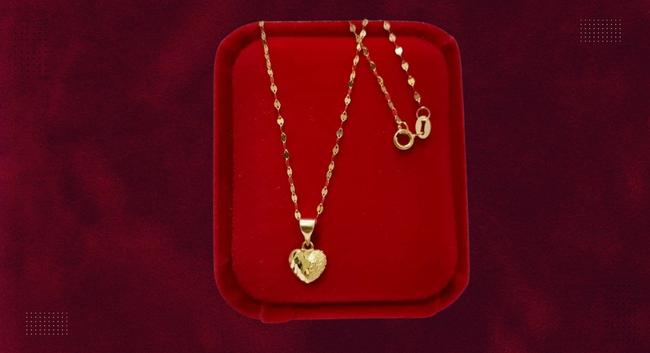
In a world where the allure of gold often sparkles with the illusion of authenticity, distinguishing between genuine gold and its cunning counterfeit counterparts becomes an art form. A necklace, whether it be a cherished heirloom or a recent addition to your wardrobe, carries with it a story—one that should be resplendent in its truth. The journey to discerning real gold from imitation is akin to a treasure hunt, where knowledge serves as the map guiding you through the labyrinth of glimmering possibilities.
Before embarking on this quest, one must first understand the fundamental characteristics that define real gold. Often dubbed the ‘Royal Metal,’ gold is known for its lustrous sheen and remarkable malleability. However, these attributes alone do not suffice in confirming authenticity. To ensure your necklace truly embodies the preciousness of gold, consider the following comprehensive guidelines:
1. Examine the Marking
Every legitimate piece of gold jewelry is marked with a stamp that indicates its purity. Common engravings include “14K” or “24K,” which refer to the caratage of the gold. Pure gold is labeled as 24K, indicating 99.9% purity, whereas 14K signifies that 58.3% of the piece comprises gold. If your necklace bears no markings or displays dubious figures, treat it with skepticism. Just as a masterpiece is often signed by the artist, so too should gold jewelry bear its hallmark.
2. Conduct the Magnet Test
Gold is non-magnetic, a characteristic that forms a stark contrast with many imitation materials. Armed with a simple magnet, you can swiftly ascertain whether your necklace is of genuine gold. If it clings to the magnet like an overzealous admirer, it may be produced from a composite of lesser metals. Conversely, if the necklace dances freely from the magnetic pull, it may very well be authentic—like a free spirit soaring through the air.
3. The Acid Test
For the scientifically inclined, the acid test provides a definitive answer to the authenticity conundrum. This method involves applying a small drop of nitric acid to a discreet area of the necklace. Real gold will not react with the acid, maintaining its integrity amidst the chemical scrutiny. In contrast, fake gold often yields unsightly discoloration, revealing its hollow heart. This test requires caution and precision, akin to a chemist navigating complex reactions in a laboratory setting.
4. Observe the Color and Luster
The hue of genuine gold possesses a distinct warmth—a deep, rich glow that is hard to replicate. Some imitations may try to mimic gold enamel or painting techniques, yet they often fall short of the intrinsic quality that real gold exudes. When inspecting your necklace, pay attention to the continuity of color; if you notice discrepancies or faded patches, you may be looking at a cleverly disguised impostor. Real gold boasts an elegance akin to sunlight filtering through the leaves of a forest, casting a golden hue that dances with every movement.
5. Weight and Density
Gold is incredibly dense, much heavier than it appears at a glance. If your necklace feels light and insubstantial in your hand, it may signify the presence of a different material masquerading as gold. This physicality serves as both a metaphor and a literal sense; the weight of gold is imbued with historical significance and value—a tangible testament to its worth through the ages.
6. The Sound Test
Engaging your auditory senses can also provide clues regarding your necklace’s authenticity. When gently tapped against another solid object, gold emits a rich, resonant sound, a melodic note that elevates your spirit. Many counterfeits, however, will produce a dull clink or thud—a discordant note in the symphony of jewelry. Engage in this gentle auditory experiment, for sound has a story to tell, reflecting the soul of the material.
7. Seek Professional Appraisal
When in doubt, seeking the expertise of a certified jeweler provides layers of assurance. These professionals wield their knowledge and tools to unveil the truth behind the surface allure of your necklace. Like detectives piecing together clues at a crime scene, they can examine each nuance to determine genuineness—elevating your piece from a common trinket to a treasured heirloom.
8. Trust Your Instincts
Lastly, never underestimate the power of intuition. If the necklace feels off or conjures skepticism, trust that instinct. Just as the heart recognizes a genuine connection or a deceptive facade in relationships, your instincts can guide you in matters of authenticity. Carve out moments of quiet reflection to engage with the necklace; allow your senses to guide you towards truth.
In conclusion, the ability to discern real gold from its fakes is not merely a mechanical checklist but an intricate dance of observation, testing, and emotional connection. Each method serves as a vibrant brushstroke on the canvas of authenticity, painting a picture of value that transcends monetary worth. With the right knowledge and tools at your disposal, you can confidently wrap the alluring shimmer of true gold around your neck, forever cherishing its legacy—a tangible connection to history, artistry, and timeless beauty.











Leave a Comment