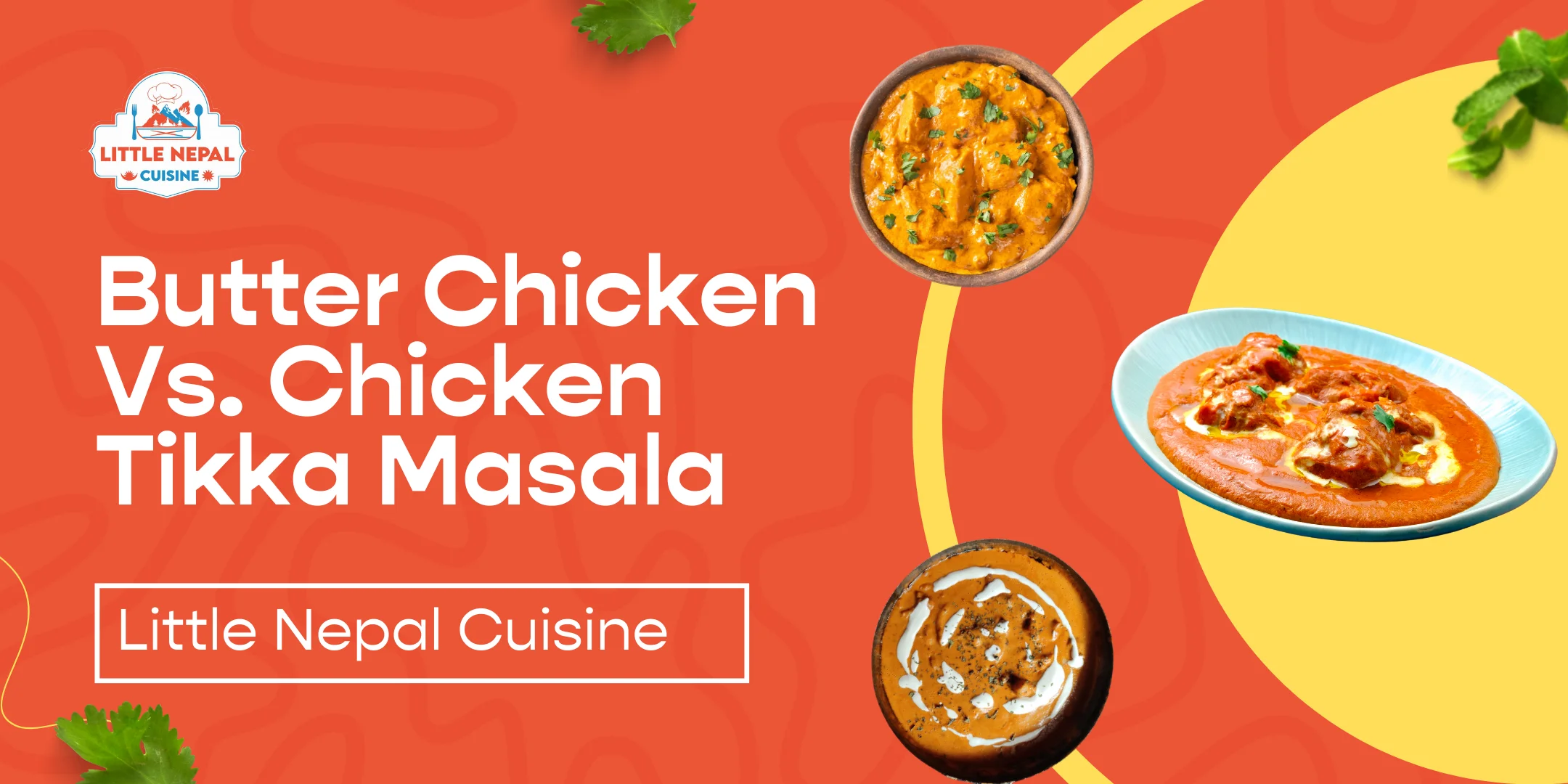
In the vibrant tapestry of Indian cuisine, two dishes stand out with vibrant colors and rich flavors: Chicken Tikka Masala and Butter Chicken. These beloved offerings have crossed borders and captivated palates across the globe. Despite their popularity, they often culminate in confusion among gourmands and casual diners alike. What exactly differentiates these iconic dishes? This inquiry beckons a deeper exploration of their origins, ingredients, cooking techniques, and the cultural intricacies entailed in each dish.
Origins of Chicken Tikka Masala and Butter Chicken
To grasp the essence of Chicken Tikka Masala and Butter Chicken, one must first delve into their historical contexts. Both dishes hail from the Indian subcontinent, but their emergence is colored by different culinary traditions. Butter Chicken, or “Murgh Makhani,” finds its origins in the bustling streets of Delhi, attributed to the Moti Mahal restaurant in the 1940s. The chefs ingeniously repurposed leftover chicken pieces by simmering them in a rich tomato-based gravy accompanied by copious amounts of butter and cream—a tribute to opulence and indulgence.
In contrast, Chicken Tikka Masala boasts a somewhat nebulous origin story, often believed to have roots in the Indian diaspora. While its exact beginnings are up for debate, it is widely recognized that this dish gained traction in British cuisine during the 1960s. The culinary alchemy behind Chicken Tikka Masala involves marinated chicken pieces (tikka) that are grilled or baked before being enveloped in a savory and spiced sauce, fostering an intermingling of flavors that remains tantalizingly distinct.
Ingredients: The Heart of Flavor
A closer examination of the ingredients unveils key distinctions between these two culinary delights. Butter Chicken is characterized by its reliance on a rich concoction of butter, cream, and tomatoes. The sauce typically embodies a luxurious creaminess, inviting the diner to indulge in its velvety texture. Aromatic spices such as garam masala, cumin, and coriander play a supporting role, enhancing the overall flavor profile. It is predominantly about the balance between tangy tomatoes and creamy richness.
Conversely, Chicken Tikka Masala features a more intricate mélange of spices that often includes turmeric, paprika, and sometimes even a hint of yogurt. This dish celebrates the marination of the chicken, which is usually seasoned with a powerful blend of spices before being cooked to perfection. The sauce—though tomato-based—achieves depth from the charred flavor of the grilled tikka, lending a different kind of smokiness to the dish.
Cooking Techniques: Crafting Distinction
The cooking methods utilized also highlight the divergence between the two. To prepare Butter Chicken, the chicken is generally cooked first and then incorporated into the creamy sauce, allowing the flavors to meld harmoniously. This method emphasizes a rich consistency, often rendered smooth and homogenous, appealing to those who relish the mellowness of a luxurious curry.
In contrast, Chicken Tikka Masala unfolds through a more complex process. The chicken, marinated and grilled, undergoes caramelization, creating those beautifully charred bits that significantly affect the flavor. The sauce is crafted separately, allowing for a more nuanced interplay between the spices and the sauce’s acidity from the tomatoes. This step not only enhances the overall flavor but also maintains a second layer of texture, inviting palates to explore various dimensions of taste with each bite.
Flavor Profile: A Symphony of Tastes
The flavor profiles of the two dishes provide a captivating study in contrasts. Butter Chicken, with its unctuous creaminess, leans towards a sweeter, milder palate. The harmonious symphony of spices is balanced by the richness of cream, creating a symphonic experience that envelops you in warmth and comfort. This is a dish often preferred by those who enjoy the smoother side of Indian cuisine—a reflective expression of indulgence.
In direct opposition, Chicken Tikka Masala tantalizes with an assertive complexity. Its boldness is punctuated by distinct hints of acidity, mingling with a plethora of spices that present a culinary adventure. It teases the tongue with heat and a burst of flavor, often inviting a symphony of sensations that are both exhilarating and delightful. As a result, diners find themselves engaging with the dish on multiple levels, evolving with every bite taken.
Cultural Impact: More Than Just Dinner
The intrigue behind Chicken Tikka Masala and Butter Chicken transcends mere culinary preferences; it encapsulates deeper narratives of migration, identity, and globalization. As Chicken Tikka Masala found itself embraced by British culture, it became a symbol of the intertwining of traditions, embodying the multiculturism that defines modern Britain. Butter Chicken, meanwhile, remains a hallmark of Indian culinary finesse—an enduring representation of the rich heritage from which it originates.
Conclusion: A Culinary Journey
Whether you find yourself drawn to the comforting embrace of Butter Chicken or the exhilarating zest of Chicken Tikka Masala, there exists depth in the appreciation of each dish. They each tell a story—of ingenuity, adaptation, and the cultivation of flavor that transcends geography. The difference between Chicken Tikka Masala and Butter Chicken is more than just a matter of ingredients or cooking methods; it is a journey through history, culture, and taste that continues to captivate and awe. Both dishes invite diners to partake in a delicious quest, unearthing the rich flavors of Indian cuisine, each spoonful echoing the beautiful complexities of culinary art.









Leave a Comment