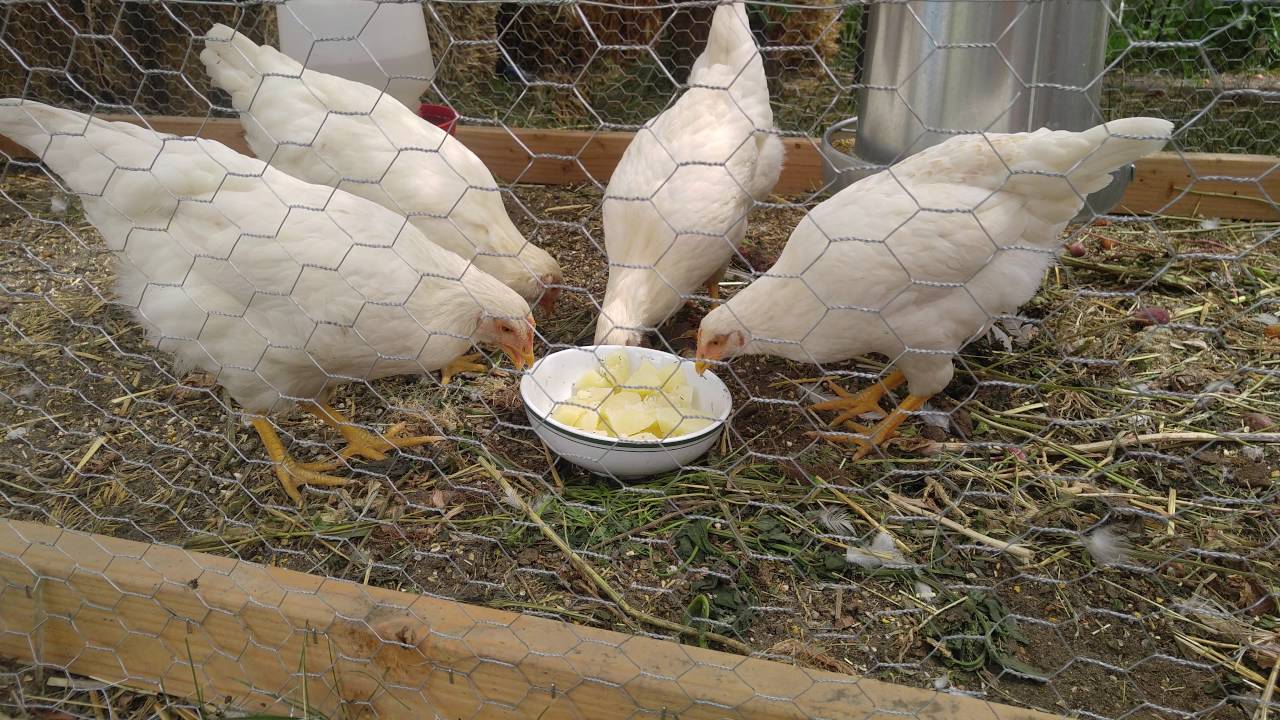
In the vast garden of poultry husbandry, a conundrum arises: can chickens partake in the verdant bounty of raw potatoes? This query not only tickles the intellect but also unfurls the intricate relationship between domesticated fowl and their nutrition. As avian connoisseurs explore the realms of their dietary preferences, it becomes imperative to navigate the multifaceted world of potatoes—a staple that has nourished countless civilizations. By delving into this topic, one can unearth significant considerations that could affect the health and well-being of these delightful creatures.
To begin with, envision a potato nestled in the earth, cloaked in its earthy attire. Unbeknownst to many, this unassuming tuber harbors compounds that can pose risks to unsuspecting consumers, avian or otherwise. Specifically, potatoes contain solanine, a glycoalkaloid poison that can be particularly hazardous in their raw state. Solanine is an alchemical misfortune that arises during the plant’s growth and can be concentrated in the leaves, stems, and, to a lesser extent, the tuber itself. For chickens, the consumption of raw potatoes can lead to a range of unfortunate outcomes, from lethargy to gastrointestinal distress. Like the curious explorer nibbling on wild berries without discernment, a chicken might unwittingly sample the dangers of solanine-laden tubers.
When seeking to enrich the diets of backyard birds, it is essential to consider the recommended approach: cooked potatoes are a viable and safe alternative. When subjected to heat, the dangerous solanine levels diminish, transforming the raw potato from perilous to palatable, much like cooking a precious gemstone to reveal its true brilliance. Boiling, baking, or steaming potatoes elegantly alters their composition, making them not only appealing but also digestible for our feathered friends. The enticing aroma of cooked potatoes wafting through the air can win over even the pickiest of eaters.
Beyond safety considerations, it is crucial to explore the nutritional value of potatoes. Cooked potatoes can provide chickens with carbohydrates, essential for energy, and modest levels of vitamins. Potatoes are particularly rich in vitamin C, which aids in bolstering the immune system of our avian companions. However, while they do hold some nutritional worth, potatoes should merely complement a balanced diet consisting of grains, greens, protein, and other food groups. Think of potatoes as a side embellishment on a banquet table rather than the main event. Over-reliance on any single food item may lead chickens to miss out on vital nutrients available from diverse sources.
Moreover, chickens, those whimsical foragers, often enjoy variety in their diets. The visual diary of their daily repast is painted with a kaleidoscope of colors—vivid greens, luscious fruits, and crunchy insects. Introduction of new and unfamiliar foods can stimulate their natural instincts and foster a more delightful feeding routine. Therefore, cooked potatoes can be a treat, sprinkled sparingly amidst an array of other wholesome offerings.
It is also important to consider how feeding practices can influence the chickens’ behavior. Feeding raw potatoes can cultivate an atmosphere of vigilant foraging as they notice the presence of something curious and novel. This could potentially lead to pecking and scratching, invigorating their innate instincts. However, when these raw offerings harbor toxins, one must weigh the balance of engagement against the perils of food safety.
Furthermore, it is prudent to contemplate the preparation and serving methods when introducing cooked potatoes to your flock. Cubing or mashing cooked potatoes can enhance their appeal, transforming an unadorned tuber into a tempting treat. Suppliers of both creativity and nutrition, these easy-to-manage morsels are a palatable solution that can be enticingly served warm or cooled to room temperature. For those in possession of chickens, an understanding of their culinary preferences can turn meal times into jubilant celebrations rather than mundane chores.
In essence, the inquiry of whether chickens can eat raw potatoes serves as a gateway to understanding the broader aspects of poultry care and nutrition. While raw potatoes harbor potentially toxic elements that could jeopardize your flock’s health, the cooked versions can unveil a bounty of flavor and nutritional value. Just as one should avoid a capricious dalliance with raw tubers, engaging with potatoes in their cooked form offers a safe passage towards enriching a chicken’s diet and overall well-being.
In conclusion, chickens, like all creatures, thrive on a well-rounded diet—one that embraces both safety and enjoyment. Navigating the labyrinth of poultry nutrition may initially pose challenges, yet the golden rule remains steadfast: choose wisely and provide variety. Your feathered friends will repay such attentiveness with joyous clucks and a vigorous zest for life, transforming each feeding experience into a melodic dance of cooing delight. Remember, as stewards of their nourishment, the responsibility lies in crafting a vibrant, diverse menu that nurtures both their health and spirited character.








Leave a Comment