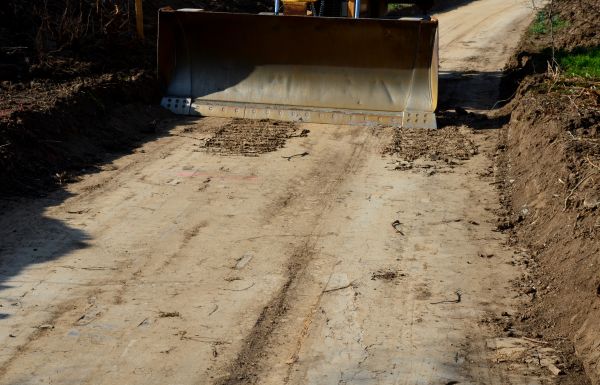
Achieving a lush, verdant lawn requires more than just regular watering and mowing; it often hinges on the foundational layer of topsoil. Topsoil serves as the lifeblood of your lawn, providing essential nutrients, fostering robust root development, and facilitating water retention. However, leveling your lawn with topsoil is not merely about spreading a layer evenly across the surface. It requires careful consideration of the materials, techniques, and maintenance involved. This comprehensive guide will explore various aspects of using topsoil for lawn leveling, delve into the types available, and provide practical tips to ensure a flourishing green space.
1. Understanding Topsoil
Topsoil is the uppermost layer of soil, typically ranging from 5 to 10 inches in depth. It is rich in organic matter, microorganisms, and essential nutrients. Due to its composition, topsoil plays a pivotal role in the health and vitality of your lawn. It is imperative to distinguish between types of soil and topsoil variations suited for different landscapes. Not all topsoil is created equal; understanding the characteristics can make a significant difference in the outcome.
2. Types of Topsoil
When selecting topsoil for your lawn leveling project, be aware of the various types available:
- Screened Topsoil: This type has been sifted to remove large clumps, rocks, and debris, resulting in a fine, uniform texture. It is ideal for leveling purposes as it ensures a smooth application and promotes even settling.
- Blended Topsoil: Often a mixture of topsoil blended with compost and other organic materials, this variant enhances nutrient availability. Blended topsoil is particularly effective for seeding and fostering root growth.
- Organic Topsoil: Comprising natural materials devoid of chemical additives, organic topsoil is an excellent option for environmentally-conscious homeowners. It supports healthy microbial activity and enriches soil fertility.
- Clay Topsoil: Found in regions with high clay content, this topsoil retains moisture exceptionally well, promoting resilience during dry spells. However, it may require amendments to improve drainage and aeration.
- Sandy Topsoil: This type offers excellent drainage but tends to dry out rapidly. It is often combined with organic material to enhance its moisture-retaining capacity.
3. Preparing Your Lawn for Topsoil Application
Before applying topsoil, proper lawn preparation is crucial. Rake away debris, dead grass, and weeds to ensure a clean surface. If your lawn exhibits an uneven contour, consider marking low spots using a garden hose or stakes to guide the leveling process. Aeration can greatly enhance the efficacy of topsoil application. By perforating the soil, you create pathways for water and nutrients to penetrate effectively.
4. Application Techniques
Once your lawn is adequately prepared, the technique of applying topsoil requires attention to detail:
- Spreading and Raking: Utilize a wheelbarrow or soil spreader to evenly distribute topsoil across the area. Follow by raking to break up clumps and smooth out the surface, ensuring a consistent layer.
- Depth Considerations: For most lawns, a layer of 1 to 2 inches of topsoil is sufficient for leveling. Excessive layering can suffocate the grass beneath and lead to drainage issues.
- Watering: After application, lightly water the newly spread topsoil to promote settlement and eliminate air pockets. Avoid heavy watering that can lead to runoff or erosion.
5. Maintaining Your Newly Leveled Lawn
After leveling your lawn with topsoil, maintenance becomes paramount in ensuring its health:
- Regular Watering: Employ a consistent watering schedule, especially during the initial weeks post-application. Aim for deep watering sessions that encourage root growth.
- Mowing Practices: As the grass establishes, wait to mow until it reaches 3 to 4 inches in height. Regular mowing promotes healthy growth and prevents weeds from taking over.
- Fertilization: Fertilizing your lawn with an appropriate ratio of nutrients can further enhance growth following topsoil application. Opt for organic fertilizers to maintain soil health.
- Weed Control: Stay vigilant against weeds during the establishment phase. Hand-pulling or using mulch can significantly deter weed growth.
6. Common Pitfalls to Avoid
While leveling your lawn with topsoil can be highly beneficial, there are several missteps to avoid:
- Overapplication: Applying too much topsoil can lead to poor drainage and suffocation of existing grass. Always adhere to recommended depth guidelines.
- Neglecting Soil Health: Utilizing poor-quality topsoil can introduce contaminants or pathogens. Always select high-quality, certified topsoil for the best results.
- Ignoring Weather Conditions: Avoid applying topsoil during heavy rain or extreme heat. Moreover, monitor the soil’s moisture levels before application for optimal results.
Leveling your lawn with topsoil is indeed a rewarding endeavor, leading to a more uniform, vibrant, and healthy green space. By understanding the types of topsoil, preparation techniques, application methods, and maintenance practices outlined above, you can achieve a flourishing lawn that not only enhances the aesthetic appeal of your property but also serves as a sanctuary for outdoor enjoyment. With careful planning and adherence to best practices, your lawn can transform into a verdant oasis rich in beauty and vitality.









Leave a Comment