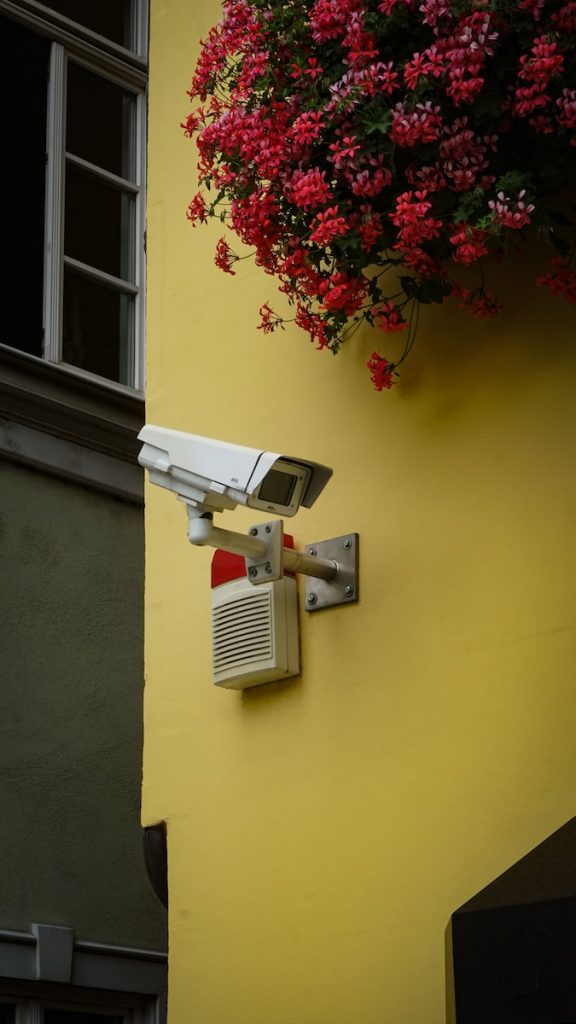
In the realm of safeguarding your abode, one typically conjures up images of locks, alarms, and surveillance cameras—all quintessential components of physical security. However, an astute homeowner must also comprehend what does not constitute a physical security measure. Understanding these elements is pivotal, as it allows one to allocate resources, energy, and attention to truly effective security constructs. This exploration will delve into various categories of measures that are not related to physical security, highlighting their roles and limitations in the overarching landscape of home safety.
1. Virtual Security Systems
Initially, one must consider the digital realm. Virtual security systems, such as firewalls and anti-virus software, may protect critical data and personal information but do little to secure the physical premises. Cybersecurity measures focus primarily on safeguarding online assets, ensuring that one’s sensitive information remains obscured from the prying eyes of cybercriminals. However, while imperative for protecting personal and financial data, they do not deter a tangible break-in or physical threat.
2. Good Neighbor Policies
Establishing rapport with neighboring households engenders a formidable social environment, which may foster cooperative vigilance; however, this should not be mistaken for securing one’s home. While neighbors can alert one another to suspicious activities, they rely on each individual’s willingness to engage in these informal measures. Distrust, indifference, or mere lack of communication can lead to ineffective security practices. Relying solely on neighbors for home security can create gaps that undermine overall safety.
3. Insurance Coverage
Home insurance policies offer a financial safety net in the event of theft or damage, but the absence of physical security measures exacerbates vulnerability. While comprehensive coverage can alleviate the financial burden post-incident, it does not prevent crime from transpiring. Insurance serves to compensate for loss rather than to thwart criminal activity, making it an inadequate substitute for proactive home protection strategies.
4. Fencing and Landscaping
Contrary to common belief, while fencing and strategic landscaping can enhance privacy, they may not always guarantee safety. A decorative fence or meticulously manicured shrubbery can add aesthetic appeal but may simultaneously conceal a potential intruder’s movements. Moreover, certain types of landscaping, such as dense bushes, can create excellent hiding spots for ill-intentioned individuals, inadvertently rendering one’s home more susceptible to breach.
5. Aesthetic Safety Enhancements
Individuals often engage in aesthetic enhancements—like decorative outdoor lighting—to create an inviting ambiance. While outdoor lights do improve visibility, the mere presence of light fixtures does not equate to actual security. Illumination can deter some criminal elements, yet it can also produce a false sense of security, allowing homeowners to neglect more rigorous protective measures.
6. Personal Safety Apps
In an era of smartphones, numerous applications are heralded as personal safety tools. While such apps can send emergency alerts to designated contacts or even share location coordinates, their effectiveness is contingent upon user action. Relying solely on a mobile application as a safety measure can lead to overconfidence in one’s security, potentially fostering complacency. When faced with a real threat, dependence on technology may falter, particularly in areas with weak signal strength or battery failure.
7. Automated Voice Alerts
Voice alerts—like those employed by smart speakers—may offer peace of mind by notifying homeowners of unusual activity. Despite their appeal, these systems function on the premise of perception rather than prevention. An automated alert is little more than a notification of an intruder’s presence rather than a physical barrier against such intrusion. Consequently, it is imperative to recognize that without supplementary defenses, voice alerts alone fall short of constituting a robust physical security measure.
8. Community Watch Programs
Community watch programs foster a sense of collective vigilance, whereby citizens band together to keep an eye on neighborhood concerns. While this initiative can encourage residents to monitor one another’s properties, it is inherently flawed. Such programs rely heavily on community involvement, which can vary significantly based on individual commitment levels. Moreover, they do not replace the necessity for fortified physical security measures that actively deter crime rather than merely observe it.
9. Security Awareness Campaigns
Educational campaigns raise awareness regarding security practices, promoting a culture of safety. However, an emphasis on awareness does not equate to the execution of defensive measures. Knowing how to secure one’s home or respond to a potential threat is crucial; still, without actionable measures in place, knowledge of security is rendered ineffective. Resources must be directed towards tangible security strategies rather than a mere understanding of theory.
10. Emergency Response Numbers
Having emergency response numbers readily accessible is undoubtedly prudent. However, the mere possession of these digits does not constitute an effective physical security mechanism. While reaching emergency services post-incident is essential, it is far more advantageous to focus on preventative measures that deter criminal acts before they occur. Emergency responses should serve as a last resort rather than a primary strategy for securing one’s home.
In conclusion, navigating the complex world of home security necessitates a discerning eye to differentiate between measures that actually enhance physical security and those that merely provide a facade of safety. Homeowners must prioritize deeply effective systems, investing in robust strategies that address risk proactively rather than relying on measures devoid of tangible protective qualities. By focusing on true physical security, individuals may enhance their homes’ resilience against potential threats, ensuring peace of mind in a tumultuous world.








Leave a Comment