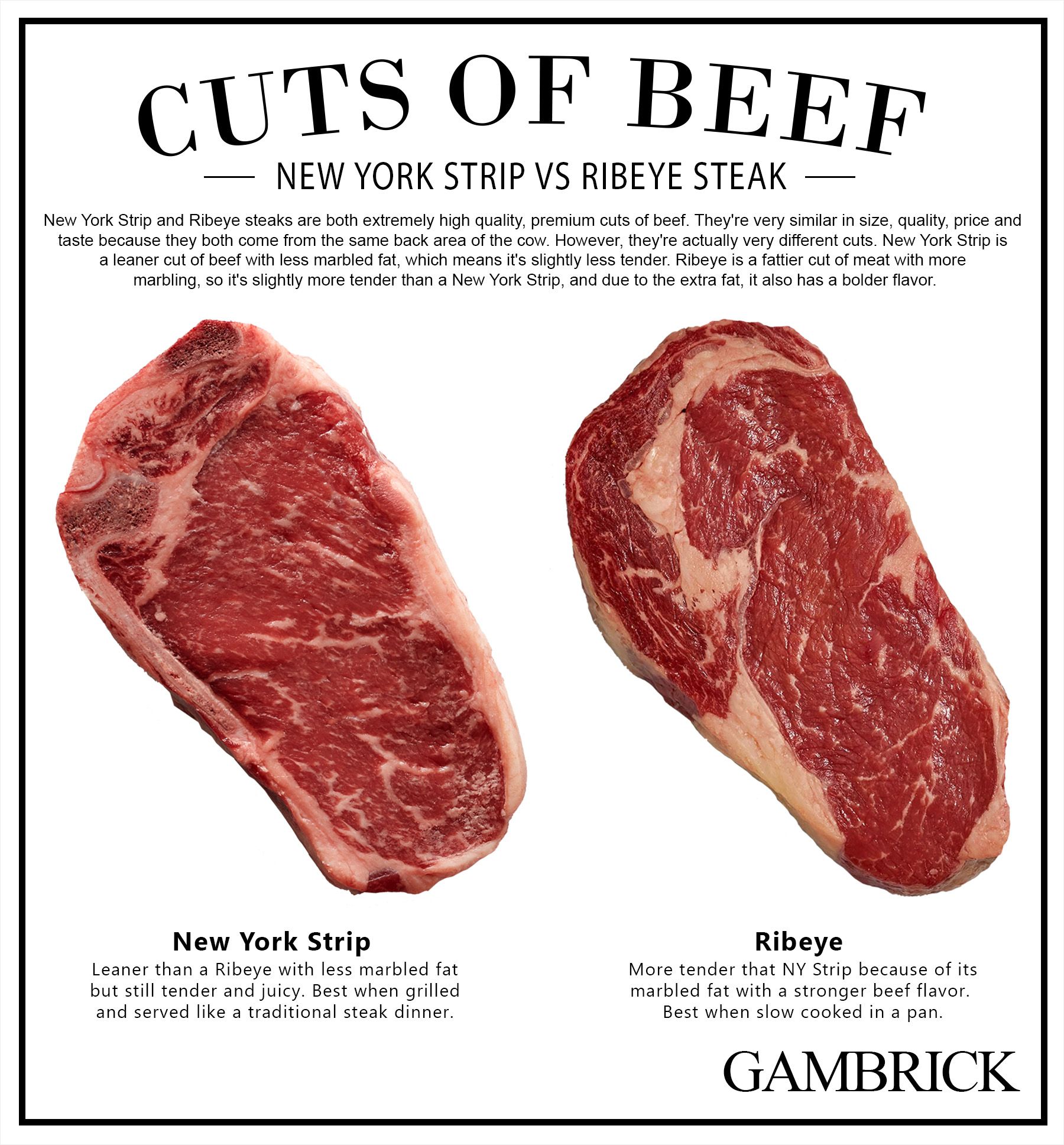
When it comes to the world of steaks, two contenders often steal the spotlight: the Rib Eye and the New York Strip. With tantalizing flavors and unique textures, these cuts have solidified their status as culinary favorites among steak enthusiasts. Yet, amidst their popularity, an intriguing rivalry brews—each cut boasting distinctive characteristics that appeal to different palates. This article delves into the nuances of both, evaluating their origins, flavor profiles, preparation techniques, and why they have garnered admiration in kitchens and steakhouses alike.
1. Understanding the Cuts
Rib Eye Steak, derived from the rib section of the cow, is renowned for its generous marbling. This intramuscular fat not only enhances its succulent flavor but also contributes to its tender mouthfeel. The New York Strip, on the other hand, hails from the short loin of the animal, showcasing a leaner profile with less fat marbling compared to its rival. Understanding these fundamental differences sets the stage for an exploration of their individual identities.
2. Flavor Profiles
The Rib Eye Steak often tempts the taste buds with its rich, buttery flavor—an attribute derived from those well-distributed fat veins. Each bite offers a satisfying, almost indulgent experience as the fat melts during cooking, imparting a subtle juiciness that lingers on the palate. In contrast, the New York Strip presents a more robust, beef-forward flavor. While it may lack the extensive marbling of the Rib Eye, its meaty essence provides a hearty taste, making it a favorite among steak lovers who relish a pronounced beef flavor.
3. Texture and Tenderness
Texture is an undeniable aspect of the steak-eating experience. Rib Eye steaks, with their abundant marbling, deliver a velvety tenderness that makes them incredibly enjoyable to chew. The fat content acts as a natural tenderizer, allowing the meat to virtually melt in the mouth. New York Strip, while still tender, offers more of a chew due to its relative leanness. For those who appreciate a steak that requires a bit of effort, the Strip provides a satisfying resistance, offering a different dimension to the eating experience.
4. Cooking Techniques
Each cut flourishes under diverse cooking methods, making them versatile options for any culinary enthusiast. Rib Eye is often grilled or pan-seared to achieve that perfect caramelization. The fat renders beautifully, helping to create a crust that locks in moisture. Sous vide techniques are also popular, as they ensure even cooking and enhance tenderness. Conversely, New York Strip benefits immensely from high-heat cooking methods, such as broiling or grilling, which accentuate its meaty characteristics. The challenge lies in finding the ideal cooking time to strike the balance between doneness and maintaining its characteristic chew.
5. Presentation and Pairings
Presentation is no trivial matter when it comes to steak; it can elevate the dining experience. The Rib Eye, with its marbled appearance, often looks more visually appealing, particularly when cooked to perfection. Accompanying it with sides like garlic mashed potatoes and grilled asparagus complements its rich flavor. Meanwhile, the New York Strip’s streamlined appearance makes it a culinary canvas for bolder accompaniments—think chimichurri or a red wine reduction sauce. Pairing both steaks with a robust merlot or a piquant zinfandel boasts sophisticated flavor harmonies, emphasizing their distinctive qualities.
6. Nutritional Considerations
Though indulging in steak is often a gastronomic pleasure, understanding the nutritional content can enhance the dining experience. Rib Eye steaks typically contain higher fat content, which contributes to their rich flavor but also adds more calories. In contrast, the New York Strip’s leaner composition may appeal to health-conscious diners. However, both cuts are excellent sources of essential nutrients, including protein, iron, and vitamin B12, making either a hearty addition to a balanced diet.
7. Cultural Significance
Beyond the grill, both cuts carry significant cultural weight. Rib Eye is often celebrated as a luxurious choice among steak aficionados and is frequently featured in fine dining establishments, symbolizing indulgence and savored moments. Meanwhile, the New York Strip has become iconic in American cuisine—often immortalized in classic steakhouses, it embodies a sense of tradition and camaraderie. Together, these cuts exemplify the artistry of cooking and the cultural landscapes surrounding meat consumption.
Conclusion
The debate between Rib Eye and New York Strip is as juicy as the steaks themselves. While both cuts boast their own unique characteristics, it ultimately comes down to personal preference, whether one leans towards the moist, rich decadence of Rib Eye or the hearty robustness of New York Strip. Each bite tells a story, layered with the history of culinary practices and the nuances of flavor that captivate our senses. In the end, savoring the differences, or perhaps merging the two, within the confines of a fragrant grill, continues to bind friends and families over good food, forging unforgettable memories and generational bonds.








Leave a Comment