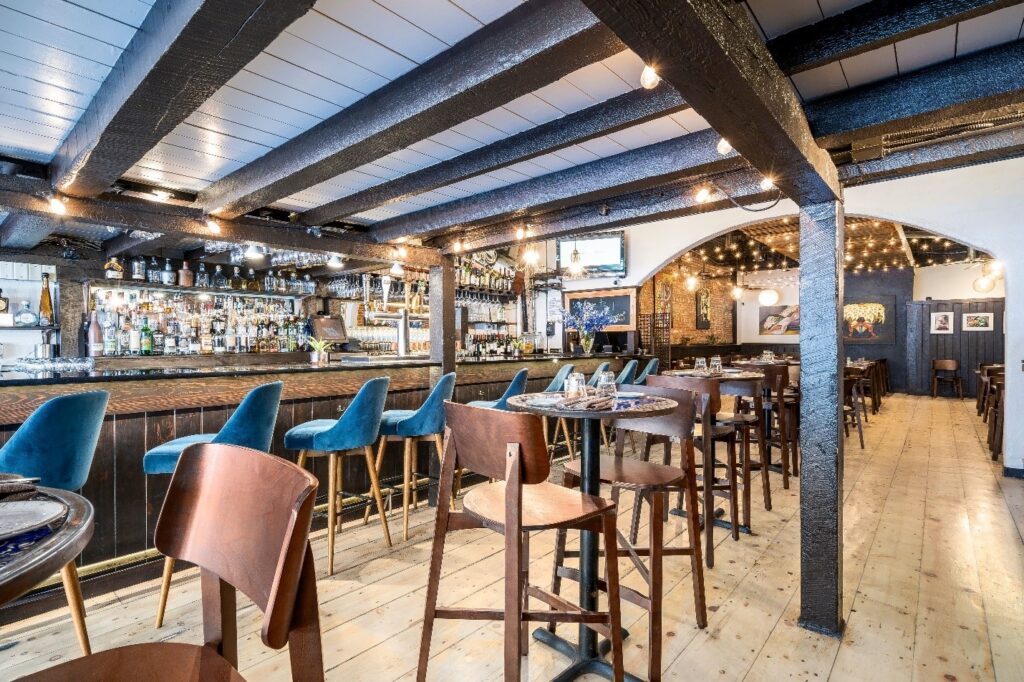
In the realm of dining and social experiences, high-top seating has surged in popularity. Often associated with a more casual and vibrant atmosphere, these elevated tables and chairs serve not just as a meal setting but also as a focal point for interaction. Delving into the various nuances of high-top seating reveals a rich tapestry of styles and functionalities. This article explores what high-top seating entails, its myriad variations, the benefits it offers, and what one can expect from these unique arrangements.
To begin, let’s define high-top seating. Generally characterized by tables that are taller than standard dining tables, typically ranging from 36 to 42 inches in height, high-top seating is often paired with barstools or chairs that allow for a more elevated dining position. This setup epitomizes an informal experience, making it a popular choice for bars, bistros, and social gatherings.
One of the defining features of high-top seating is its versatility. It can comfortably accommodate a wide range of patrons—from casual diners sipping cocktails to friends sharing anecdotes over appetizers. Its height provides a more relaxed atmosphere, encouraging standing conversations or a less structured dining experience, thereby fostering a sense of community and engagement among guests.
Now, let’s delve into the different types of high-top seating available in the marketplace. Firstly, there are traditional high-top tables, typically made of wood or metal. These tables can add a rustic charm or modern sleekness to any setting. They are often finished with a variety of coatings, from varnished wood to brushed metal, which enhances their overall aesthetic appeal.
Another popular variation is the high-top bar table, which is often found in pubs or restaurants. These tables frequently come with matching barstools that feature footrests—an essential component for comfort on higher seating. Many establishments opt for a cohesive design, ensuring that the table and stool materials complement one another, creating a unified look that enhances the dining experience.
For outdoor dining, high-top seating has also evolved. Patio bar tables often come with weather-resistant materials that maintain their appeal regardless of the elements. Moreover, some high-top seating options incorporate umbrellas or canopies, enabling patrons to enjoy a sunny day without the discomfort of direct sunlight.
Moving beyond traditional forms, height-adjustable tables have become a notable trend within high-top seating. These versatile pieces allow diners to adapt the table height for both standing and seated interactions. This is particularly advantageous in venues that host a range of events, from casual lunch services to formal dinners, accommodating various guest preferences.
Moreover, the aesthetic of high-top seating can significantly influence its surroundings. For instance, industrial-themed spaces often feature high-tops constructed from reclaimed wood and metal, incorporating a raw, authentic feel that resonates with patrons. In contrast, venues aiming for an upscale ambiance may opt for sleek glass and polished metal designs, creating a more sophisticated environment. The choice of seating can thus transform a space, dictating its mood and character.
When considering the benefits of high-top seating, one must note the undeniable social aspect. High-tops promote mingling. The elevation encourages people to step up and get involved, literally and figuratively. In a high-top setting, it’s easier to strike up conversations with nearby patrons, leading to shared experiences that enhance the overall dining experience.
Additionally, high-top seating can offer a space-efficient solution for crowded venues. These tables tend to occupy less floor space while still accommodating more people than traditional seating arrangements. This is particularly advantageous in bars or restaurants where maximizing capacity is essential for business viability.
Furthermore, health and ergonomics play a role in the popularity of high-top seating. High-top tables often lead to better posture during meals, as diners are less likely to slouch like they might in lower seats. However, it’s crucial for establishments to maintain a selection of stool heights and designs to cater to a diverse clientele, ensuring that everyone feels comfortable.
In terms of design nuances, it’s worthwhile to discuss the importance of ergonomic considerations. When selecting high-top seating for a space, both the height of the stool and the table should work harmoniously. Ideally, there should be a clearance of about 10 to 12 inches between the seat of the stool and the surface of the table. This not only promotes comfort but also allows diners ample room to maneuver with ease.
As we draw to a close, high-top seating remains a fixture of modern dining, illustrating a blend of form and function. Offering an array of styles—from traditional to contemporary, and practical to aesthetic—these elevated arrangements enrich the culinary landscape. Not simply a trend, high-top seating caters to various tastes and needs, embodying the evolving nature of social dining. Whether it’s for an intimate gathering or a bustling night out, high-top seating provides an engaging and comfortable environment that fosters interaction and enhances the overall experience. The next time you find yourself at a bar or restaurant, take a moment to observe how high-top seating shapes not just the culinary experience, but also the social connections that thrive within its unique framework.








Leave a Comment