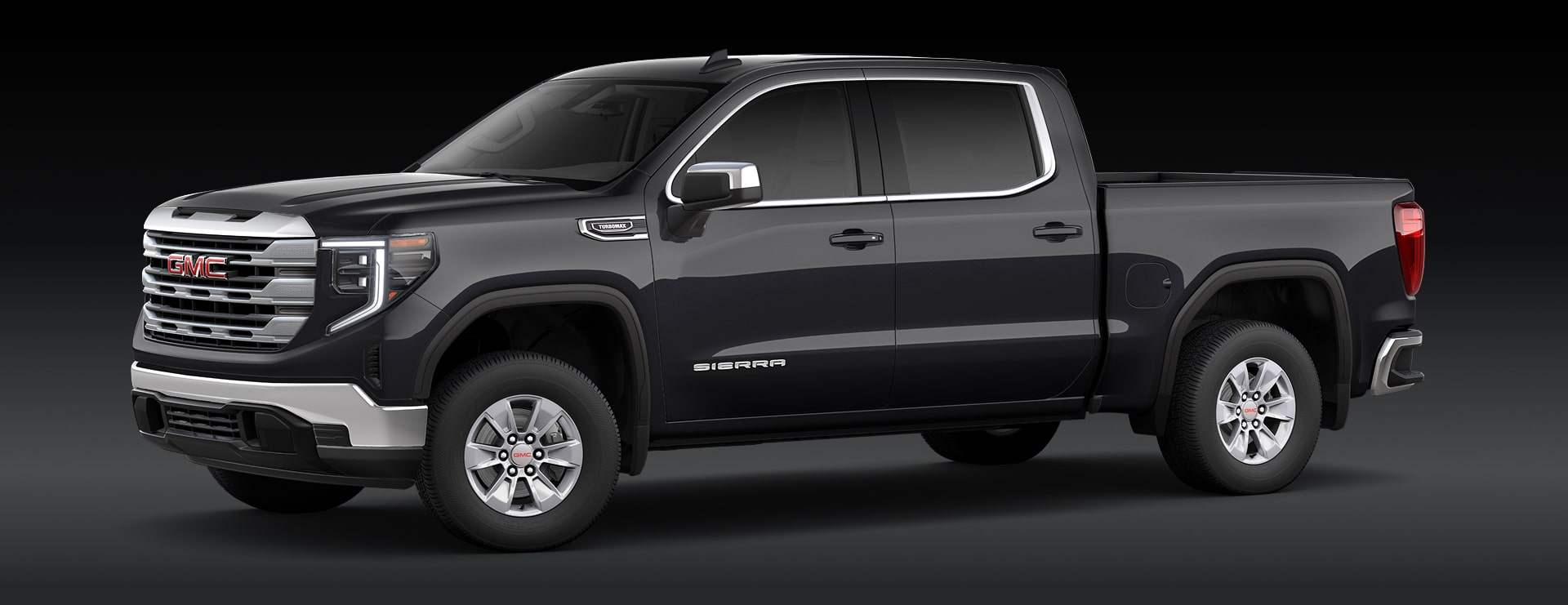
When it comes to American automotive brands, General Motors Corporation (GMC) stands out as a household name. Renowned for its rugged trucks and versatile SUVs, GMC captivates consumers with a reputation steeped in durability and performance. However, the question that often arises is, “Is GMC truly American-made?” This inquiry delves beyond the mere surface of branding, challenging the perceptions of domestic manufacturing in an increasingly globalized market. Let’s unpack the layers surrounding this iconic brand and explore the nuances that shape its identity as an American automaker.
The Historical Genesis of GMC
Founded in 1911 as the General Motors Truck Company, GMC has a rich history as part of the larger General Motors family. Its establishment marked a significant evolution in the way vehicles were designed and manufactured in the United States. From the outset, GMC focused on vehicle utility, producing everything from commercial trucks to personal vehicles. This historical backdrop sets the stage for the brand’s identity, heavily intertwined with American labor and innovation.
Manufacturing Footprint
To ascertain if GMC is American-made, one must investigate its manufacturing footprint. As of the last decade, GMC continues to operate numerous manufacturing plants across the United States. From Michigan to Texas, these facilities are crucial in the assembly of popular models like the GMC Sierra and the Acadia. An overwhelming majority of parts are sourced domestically, reflecting a commitment to supporting local economies and American workers. Yet, the story does not unfold strictly within national borders.
Global Sourcing: The Double-Edged Sword
The modern automotive industry functions on a complex web of global supply chains. While GMC utilizes many domestic suppliers, several components are manufactured overseas. This reliance raises a contentious debate: Can a vehicle truly be considered American if its parts originate from elsewhere? Such intricacies challenge the simple dichotomy of “American-made” versus “foreign-made.”
Diversity of Production
GMC’s production diversity also complicates the narrative. Different models are assembled in various nations, with certain lines, like the GMC Terrain, being produced in Canada. This transnational aspect invites a broader perspective on what it means to be an American brand in a globalized economy. It begs the question—should the label of “American-made” extend beyond just the country of assembly to include business ethics, corporate culture, and community impact?
Labor and Community Engagement
One compelling aspect of GMC’s identity is its connection to the American workforce. The company employs thousands of workers across its U.S. plants, contributing to local economies and fostering job stability. Moreover, GMC has taken strides in community engagement initiatives, supporting educational programs and vocational training. Such outreach efforts reflect the broader ethos of the American spirit, binding the brand to its country of origin in meaningful ways.
Technological Innovations and Sustainability
The automotive sector is at a pivotal intersection of advanced technology and sustainable practices. GMC is increasingly investing in electric vehicle (EV) technology, with an ambitious plan to transition many of its models to electric. This shift encapsulates not only local manufacturing efforts but also a dedication to combating climate change. Embracing such innovations positions GMC as a forward-thinking entity, advocating an environmentally conscious narrative that resonates with modern American values.
Consumer Sentiment
The perception of whether GMC is American-made heavily influences consumer sentiment. Many American consumers take pride in supporting domestic brands, viewing American-made vehicles as a badge of honor. This sentiment, associated with patriotism and identity, has fueled a loyal customer base for GMC. However, as consumers become increasingly aware of global supply chain dynamics, preferences may shift, prompting brands to adapt their narratives.
The Future of GMC
As GMC navigates the complex landscape of the 21st century, questions about its identity and manufacturing practices will continue to loom large. The brand’s commitment to innovation, residency in American employment, and community investments offer an optimistic outlook. Yet, the ongoing global nature of the automotive industry will necessitate a nuanced understanding of what it means to truly be an American-made vehicle.
Conclusion
In evaluating whether GMC is genuinely American-made, one must consider a multitude of factors. The confluence of historical significance, domestic manufacturing, global sourcing, and community engagement contribute to the intricate identity of the brand. Ultimately, GMC embodies a complex narrative that reflects both traditional American values and the realities of a global economy. Striving for a precise definition of “American-made” may be a challenge, but GMC’s legacy as a foundational pillar of the American automotive landscape endures, inviting consumers and enthusiasts alike to ponder their own definitions of homegrown craftsmanship in today’s world.








Leave a Comment