Brewing loose leaf tea is akin to embarking on an enchanting journey through verdant hills and lush landscapes, where each leaf unfurls its secrets, inviting you to savor its depth and complexity. Unlike its bagged counterparts, loose leaf tea offers a treasure trove of flavors, aromas, and experiences, transforming the act of tea-making into a ritual laden with anticipation. This guide will walk you through the intricate process of brewing loose leaf tea, unveiling the essential elements that elevate a simple cup into a profound experience for the senses.
1. Selecting Your Tea: The Prelude to Perfection
The first step in this aromatic adventure is choosing the loose leaf tea that intrigues your palate. There lies a vast universe of options, from the bold robustness of breakfast blends to the delicate floral notes of white teas. Each type of tea boasts its own distinct character, shaped by the terroir of the leaves, the processing methods, and the oxidation level. Green tea, with its grassy freshness; black tea’s deep, malty richness; oolong’s complexity; and herbal infusions’ soothing properties beckon you to explore. Consider what mood you wish to cultivate, as this selection sets the stage for your tea ritual.
2. The Art of Measurement: Finding Balance
Brewed tea is a delicate alchemy, where the right proportions can transform the mundane into the magnificent. Typically, a general guideline is to use one teaspoon of loose leaf tea per cup of water (about 8 ounces). However, the precision of measurement can vary based on personal preferences and the type of tea. For instance, denser teas like black or oolong may require slightly more, while light, fluffy green teas could beckon for less. Experimentation is key; each brewing session can unveil a new facet of flavor, unveiling layers hidden within the leaves.
3. Water Quality: The Unsung Hero
As the medium that releases the essence of tea, water plays a pivotal role. The clarity and purity of your water significantly affect the final brew. Using filtered or spring water is often recommended, as tap water replete with chemicals can impart unwanted flavors. Furthermore, the temperature of the water must be taken into account. Certain teas thrive at lower temperatures—green teas steep best at around 175°F (80°C)—while others, such as black teas, prefer the full vigor of near-boiling water, approximately 200°F (93°C). Each choice unveils a different nuance, turning your tea brewing into an exquisite dialogue between leaf and liquid.
4. The Steeping Time: Timing is Everything
Just as a maestro conducts the symphony, timing dictates the harmony of flavors within your cup of tea. Steeping time varies greatly among tea types; generally ranging from one to five minutes. Green teas usually demand brevity; a mere two minutes can yield a vibrant cup, while black teas often flourish with a longer steep of three to five minutes. Oolong teas, meanwhile, can engage in an elaborate dance—being steeped multiple times, allowing you to extract diverse flavors from the same leaves. It is vital to observe the tea as it brews, honoring its transformation from the vibrant hues of dry leaf to a warm, inviting liquor.
5. The Utensils: Crafting Your Tea Experience
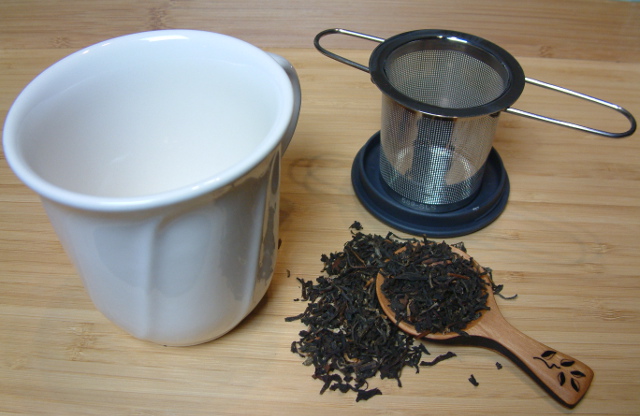
The tools you wield significantly impact your brewing journey. A teapot, whether ceramic, glass, or cast iron, can add character to the ceremony, while a good infuser or reusable tea sack allows for optimal extraction of flavors. Glass teapots can reveal the intricate dance of leaves, unfurling gracefully, while traditional cast iron teapots may retain heat beautifully. Ensure that whatever vessel you select is clean and conducive to the style of tea you are brewing. The proper utensil not only enhances the process but also adds an element of aesthetic pleasure to the ritual.
6. Enjoying the Brew: A Sensory Celebration
Having completed the brewing process, the stage is set for the grand unveiling. Pour the tea with care, allowing its warm embrace to fill your favorite cup. Observe the color—every hue tells a story, from golden amber to deep crimson. Then, take a moment to inhale the aromatic bouquet; the scents wafting from your cup should transport you, evoking the landscape of the leaves—floral, earthy, or spicy notes swirling in the air. As you take your first sip, let the flavors envelop your palate, teasing out the subtleties that distinguish each type of tea. Therein lies the beauty of loose leaf: it is not merely a drink but an experience to be cherished.
7. Experimentation: A Journey Without End
The world of loose leaf tea is a boundless frontier beckoning you to explore its depths. Feel free to experiment with steeping times, temperatures, and blending different teas—to become your own tea alchemist. Consider incorporating spices, fruits, or even flowers to enhance the bouquet of flavors in your cup. Each session can reveal new horizons—seeking to create a signature brew that speaks to your essence.
The culmination of this intricate dance of water, leaves, and time offers not just a beverage, but an invitation to pause, reflect, and savor the moment. Brewing loose leaf tea becomes a form of meditation, a gentle ritual that grounds you amidst life’s whirlwind. Each cup is a story waiting to be told, a vessel filled with warmth and tranquility, connecting you to centuries of tradition and the natural world. Embrace this journey—cherish each leaf as it unfolds, and may every sip be a pleasure, transporting you to the serene landscapes from which it originated.










Leave a Comment