Embarking on a journey to understand the Olympic barbell’s weight is more than a mere inquiry into fitness equipment; it is an exploration of its significance in the world of strength training, competitive sports, and human achievement. The fascination lies not solely in the tangible heft of the bar but delves deep into the artistry of weightlifting, the discipline of athletes, and the intricate world of Olympic competition. This article aims to unravel the complexities surrounding the weight of an Olympic bar while revealing the profound impact it has on athletes and fitness enthusiasts alike.
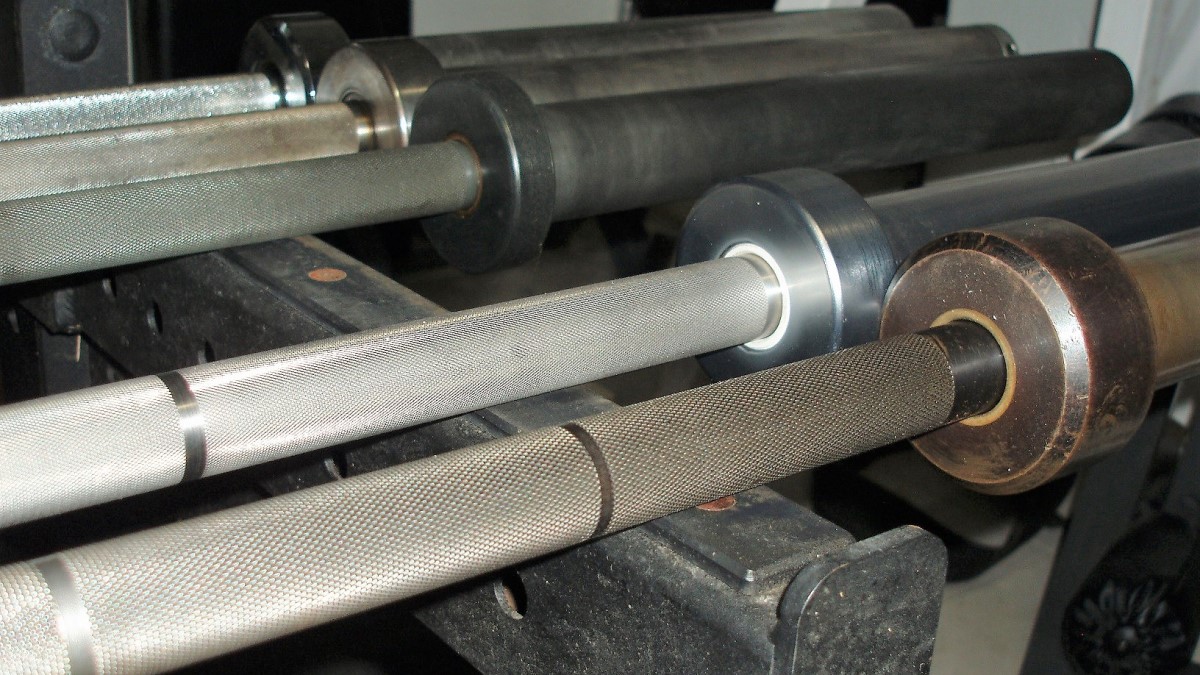
To commence this examination, let’s first clarify what an Olympic barbell is. Unlike conventional weights, Olympic barbells are specifically designed for competitive use. They adhere to stringent specifications dictated by the International Weightlifting Federation (IWF) and possess characteristics that set them apart from standard barbells. Primarily, the Olympic barbell is recognized for its length, weight, and featuring rotating sleeves, which are engineered to minimize undue stress on an athlete’s wrists during lifting.
The standard male Olympic barbell typically weighs a formidable 20 kilograms, which is approximately 44 pounds. In the realm of female athletes, the standard Olympic barbell weighs 15 kilograms or about 33 pounds. This distinction between the male and female bars not only signifies a commitment to equity in competition but also highlights the evolving nature of strength training, pushing athletes to challenge their limits irrespective of gender.
Why is the weight of an Olympic bar particularly significant? Beyond the physical aspect of lifting, the psychological dimension plays an equally vital role. For many athletes, the weight of the bar becomes a benchmark, a tangible representation of progress and rivalry. It evokes a sense of achievement as lifters strive to conquer new personal records. The act of loading plates onto the bar transforms it from a mere piece of equipment into a formidable opponent, spurring athletes on to greater feats of strength.
Delving deeper, the design and craftsmanship of Olympic bars elucidate their importance in the weightlifting domain. Constructed with precision engineering, Olympic bars are often made from high-tensile-strength steel. This material provides the necessary durability for heavy lifting while offering a slight flex to ensure that energy is efficiently transmitted through the bar. The knurling—stippling on the grip section—not only aids in securing a firm hold but also fosters a deeper connection between the lifter and the weight, enhancing stability during lifts.
Moreover, the center of mass in an Olympic bar is meticulously calculated to create a perfect balance. This balance is indispensable when executing complex lifts like the snatch and clean and jerk, where precision and stability can make the difference between success and failure. Understanding this biomechanical artistry enhances appreciation of the Olympic bar’s role in the grand tapestry of weightlifting and sports.
In addition, the fascination with the Olympic bar extends beyond mere statistics and engineering. The ritualistic aspect of preparing for a lift sets the stage for an athlete’s mental fortitude. The act of chalking hands, adjusting weights, and eyeing the bar imbues the moment with significance. This pre-lift routine encapsulates the dedication and perseverance inherent in sports, reinforcing the belief that strength is as much about mental resolve as it is about physical prowess.
One cannot overlook the influence of the Olympic bar on the broader fitness community. In gyms around the world, the mere presence of an Olympic bar can motivate aspiring weightlifters and casual gym-goers alike. It symbolizes the pursuit of athleticism, discipline, and growth. Many individuals who initially embark on their fitness journey do so with the goal of lifting “the Olympic bar,” which becomes a rite of passage into a more profound understanding of strength training.
Furthermore, a crucial aspect of the Olympic bar’s influence is its modern-day versatility. It is not limited to traditional weightlifting; rather, it has permeated various fitness disciplines, including CrossFit and powerlifting. The adaptability of the Olympic bar allows for an expansive range of exercises—from bench presses to deadlifts—making it a cornerstone of any training regimen. Its functionality contributes to its allure, allowing athletes to cultivate strength across multiple modalities.
Ultimately, the weight of an Olympic bar carries layers of significance that reach far beyond its numerical value. It is a catalyst for personal transformation, a tool for fostering unity within the fitness community, and a testament to human resilience and ambition. As athletes conquer the bar, they also confront their limitations and forge a path to self-discovery and empowerment.
In conclusion, understanding how much an Olympic bar weighs offers a lens through which to view its profound impact on athletes and the world of sports. It encapsulates not only the physical heft but also the psychological and emotional resilience that emerges through the pursuit of strength. The Olympic bar stands as a symbol, transcending its functional role, and serves as an emblem of aspiration, discipline, and the relentless nature of human endeavor.










Leave a Comment