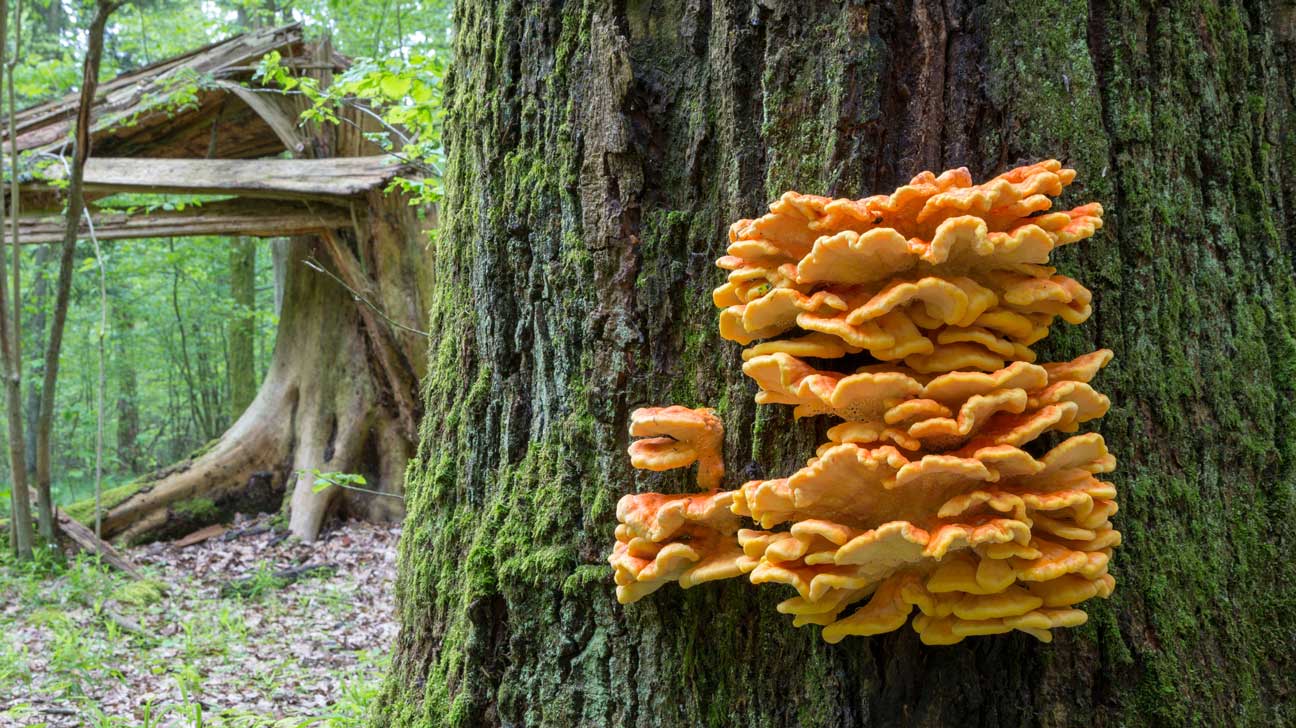
Mushrooms have long captivated the human imagination, unearthing a world of wonder beneath their seemingly unassuming caps. Among the myriad forms this fascinating fungi takes, certain species thrive on trees, showcasing an extraordinary and symbiotic relationship with their arboreal hosts. From vibrant colors to intriguing shapes, these mushrooms are not just ecological partners; they are a vital link in the forest ecosystem. This exploration will unveil the enchanting realm of mushrooms that grow on trees, revealing secrets that promise to shift perspectives and inspire curiosity.
As we venture into the forest, the sight of a towering oak or a majestic birch may seem mundane. However, when we look closer, we discover that these trees are often adorned with clusters of mesmerizing mushrooms. It’s crucial to understand that mushrooms, primarily the fruiting bodies of fungi, are often elusive and hidden underground for most of their life cycle. The visible part we see is merely the tip of the mycelial iceberg, which extends far beyond our field of vision.
One of the most iconic tree-loving fungi is the **Shiitake mushroom** (*Lentinula edodes*). Renowned for its culinary virtues, the Shiitake thrives on decaying wood, particularly that of oaks, resulting in a robust, earthy flavor that is sought after in gourmet dishes. This magnificent mushroom not only enhances our meals but also plays a critical role in forest health, breaking down dead wood and returning nutrients to the soil. As it matures, its dark, umbrella-shaped cap unfurls, a testament to nature’s artistry.
Another distinguished member of this fungal family is the **Turkey tail mushroom** (*Trametes versicolor*). With its fan-like shape and vibrant, multicolored bands resembling the feathers of a turkey, this mushroom is ubiquitous on various trees, including hardwoods and conifers. Beyond its aesthetic allure, the Turkey tail has intrigued scientists and herbalists alike due to its potential medicinal properties. Rich in polysaccharopeptides, it has been studied for its immune-boosting effects, demonstrating the remarkable biochemistry hidden within these wood-loving fungi.
Transitioning from the charm of the Turkey tail, we encounter the **Lion’s Mane mushroom** (*Hericium erinaceus*), a peculiar-looking fungus that resembles a white pom-pom or cascading icicles. Often found on hardwood trees such as oaks and maples, Lion’s Mane is not only an edible delight but also a subject of scientific examination for its neuroprotective properties. Traditionally used in East Asian medicine, there’s a burgeoning interest in its ability to stimulate nerve growth factor, suggesting it may bolster cognitive health.
The spectrum of tree-associated mushrooms does not stop here. One can hardly overlook the **Chaga mushroom** (*Inonotus obliquus*), typically found growing on birch trees. Although it doesn’t resemble the conventional mushroom—taking on a hardened, blackened appearance—it is revered in various cultures for its potential health benefits. Chaga has gained acclaim as a superfood, packed with antioxidants and believed to bolster wellness through its anti-inflammatory properties, which have been cherished in folk medicine for centuries.
As we closely observe the dynamic interplay between these fungi and their tree companions, a remarkable interaction emerges—**mycorrhizal partnerships**. Many mushrooms engage in symbiosis with tree roots, facilitating nutrient exchange vital for both parties. The mushroom’s mycelium provides trees with essential nutrients such as phosphorus and nitrogen, while the tree, in turn, supplies carbohydrates. This delicate dance of cooperation challenges conventional notions of competition in the natural world and suggests a more connected ecosystem where collaboration reigns.
Delving deeper, we must discuss the **Deadman’s fingers** (*Xylaria polymorpha*), another fascinating fungus that appears like a grim sculpture protruding from rotting wood. This species plays a crucial role in the decay process, aiding in the breakdown of lignin in wood. Its morphology, reminiscent of skeletal fingers reaching towards the sky, sparks a bizarre curiosity, transforming the way one perceives decay and death within the realm of forest ecology.
Of course, a mention of tree-dwelling fungi would be incomplete without recognizing the grandeur of the **Polypore mushrooms**. This diverse group, which includes the beloved **Artist’s conk** (*Ganoderma applanatum*), is easily identifiable by its shelf-like appearance. These fungi form a vital component in the wood decay process, transforming dead trees into rich compost that nurtures new life. Their presence is indicative of a thriving ecosystem, suggesting that where there are mushrooms, life is teeming in all its complexity.
In conclusion, the world of mushrooms that grow on trees extends far beyond culinary delights. These extraordinary fungi evoke a sense of curiosity, challenging us to reconsider our perceptions of life, death, and interconnectedness within the natural world. With their vibrant colors, unique shapes, and ecological significance, they enthrall and educate, prompting us to observe the hidden intricacies of our environment. This exploration transcends mere appreciation, inviting us to forge deeper connections and engage more profoundly with the life that flourishes around us. The next time you stroll through a forest, take a moment to look up; you might just uncover the enchanting fungi that thrive on the trees—nature’s secret treasures waiting to be discovered.











Leave a Comment