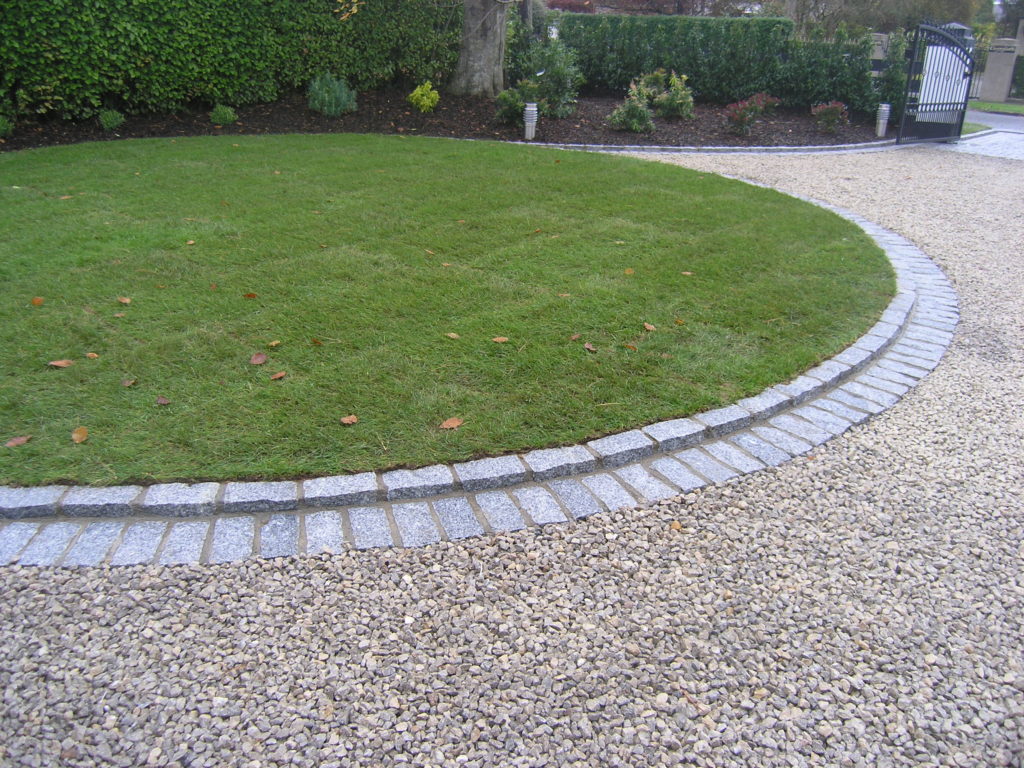
Choosing the right gravel for your driveway is akin to selecting the finest thread for a tapestry—it requires thoughtful consideration of various elements, ensuring that each piece harmonizes into a cohesive masterpiece. Gravel, often overlooked in favor of more polished alternatives, brings a rugged charm and organic allure that few materials can replicate. This article aims to guide you through the aesthetically pleasing yet functional world of gravel, illuminating the unique benefits and types available to create a driveway that is not only practical but also captivating.
Understanding the Essentials of Driveway Gravel
Before delving into the myriad varieties of gravel, it’s imperative to comprehend the foundational elements that constitute an ideal driveway. The perfect gravel driveway serves a dual purpose: it provides an inviting aesthetic appeal while enduring the test of time under the ruthless assault of weather and weight. Consequently, one should consider factors such as drainage, durability, maintenance, and the overall visual impact when selecting gravel.
1. Crushed Stone: The Versatile Chameleon
Crushed stone stands as one of the most popular choices for driveways, almost like a jack-of-all-trades in the gravel world. With various sizes and colors available, crushed stone can seamlessly adapt to diverse aesthetic preferences. Ranging from light grays to deep reds, its spectrum of hues allows for customization that can complement any architectural style. The angular particles lock together to form a firm surface, providing excellent traction and stability.
Consider using crushed granite for an extra touch of elegance—its natural sparkle exudes sophistication and pairs well with lush greenery surrounding the driveway.
2. Pea Gravel: The Softened Elegance
While crushed stone conveys a robust strength, pea gravel offers a gentler aesthetic akin to smooth river stones gently rolled in a transformative flow. These small, rounded stones exude a warmth that invites homeowners to relax as they navigate their drive. With sizes typically around 3/8 inch, pea gravel allows for superior drainage, preventing water accumulation and minimizing erosion over time.
Pea gravel not only enhances the driveway’s visual appeal but also acts as a tactile delight underfoot, making it an exceptional choice for visitors arriving at your doorstep. However, due to its smaller size, periodic replenishment is essential to maintain its coverage.
3. Limestone Gravel: The Rustic Charmer
Imagine a gravel type steeped in history, reminiscent of ancient pathways. Limestone gravel is that gravel, boasting a natural and rustic charm that evokes an earthy connection to the land. The various sizes, from fine to large chunks, allow for a unique blend when installed. Its pale, subtle hue often contains fossilized remnants, further emphasizing its majestic origins.
This type of gravel is naturally alkaline, which may enrich the surrounding soil, making it an excellent choice for driveways flanked by gardens. However, its softness demands cautious use, particularly for areas experiencing heavy traffic.
4. River Rock: Nature’s Masterpiece
In the realm of gravels, river rock stands out as nature’s pearls. Larger and more varied in color than other types, river rock offers a stunningly natural aesthetic that can resemble a whimsical beachside retreat. These smooth stones, originating from rivers and streams, provide not only visual beauty but also excellent drainage properties. Imagine a driveway that transports visitors into a sun-dappled forest glen or along the shores of a tranquil river.
However, creating a stable surface can be more challenging due to the larger sizes of the rocks. A well-planned base layer combined with smaller aggregates can mitigate this issue and allow river rock to shine.
5. Decomposed Granite: The Earthy Canvas
For those who seek a polished, yet natural appearance, decomposed granite presents itself as a remarkable choice. This gravel type creates a soft, compact surface that resembles a warm, inviting trail winding through nature. With its fine texture and range of earthy tones, decomposed granite can evoke serene vibes, reminiscent of quiet forest hikes or lazy strolls through undulating meadows.
Moreover, its permeability allows for great drainage, making it eco-friendly, thus harmonizing perfectly with landscaping elements. It is crucial, however, to ensure proper installation to sustain its brilliance against traffic and exposure.
6. Recycled Asphalt: The Eco-Friendly Alternative
In an era where sustainability reigns supreme, recycled asphalt emerges as the eco-conscious choice, reminiscent of rebirth. By repurposing old asphalt into gravel form, this material not only reduces waste but also delivers a smooth and durable surface ideal for driveways. Its proven strength withstands heavy traffic, while its dark hue can create a striking contrast against surrounding greenery.
However, homeowners should be aware that using recycled asphalt may introduce some marginal maintenance due to oxidation. With time, though, it can develop a patina that adds character and depth to its overall appearance.
Conclusion: Crafting Your Driveway Narrative
The journey to selecting the right gravel for your driveway is much like devising a narrative woven through time—a symbiosis of aesthetic appeal, functionality, and ecological mindfulness. Each type of gravel carries its own story, potential, and charm, allowing homeowners the power of choice to reflect their personal taste and lifestyle.
Whether you lean towards the robust character of crushed stone or the gentle allure of pea gravel, selecting the appropriate gravel transforms a mere passageway into a captivating entrance that beckons your guests. A driveway paved with the right gravel becomes more than a pathway; it evolves into a prelude to the home within, inviting visitors into a world uniquely yours.










Leave a Comment