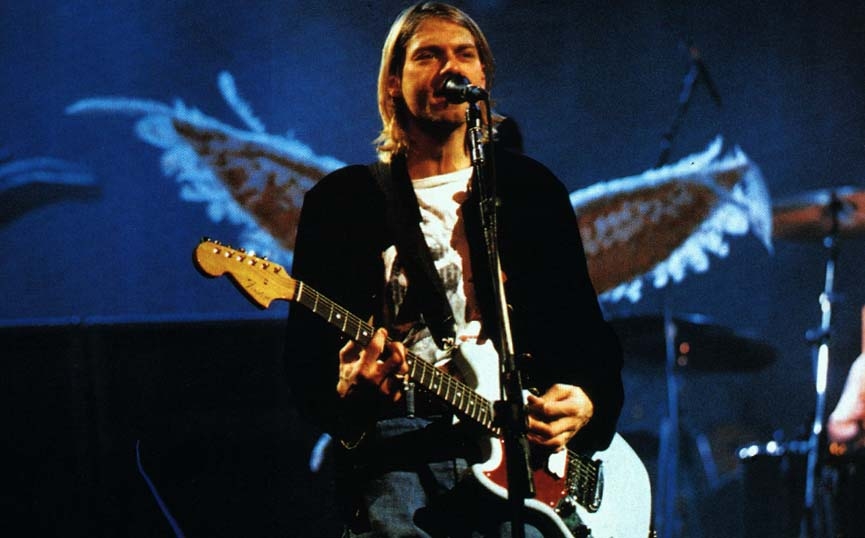
When one contemplates the enigmatic life of Kurt Cobain, the late frontman of Nirvana, myriad questions arise. Among them lies a rather curious inquiry: Did Kurt Cobain have scoliosis? This query may seem whimsical, yet it beckons a deeper exploration into how physical ailments can intersect with the artistry and complexities of a rock icon.
To grasp this question fully, one must traverse not only the annals of Cobain’s life but also the intricacies of scoliosis itself. Scoliosis, characterized by an abnormal lateral curvature of the spine, can manifest in various forms and degrees, often impacting posture, movement, and overall health. It is a condition that, in severe cases, may evoke a myriad of complications, including chronic pain and restricted physical activity. But is it plausible that such a condition could have influenced Cobain’s music or stage presence?
One begins to wonder: What if Cobain did indeed suffer from scoliosis? Would such a diagnosis alter our perception of his art? Would his struggles give rise to an even deeper understanding of his lyrical depth and emotional resonance? Let’s venture into the labyrinth of Cobain’s life, exploring the shadows cast by both his potential physical ailments and his indelible impact on rock music.
Understanding Scoliosis
Before delving into Cobain’s narrative, it is essential to comprehend what scoliosis entails. The condition often manifests during childhood or adolescence, although it can develop later in life as well. Scoliosis affects approximately 2 to 3 percent of the population worldwide. In some individuals, it remains mild and asymptomatic, causing little to no disruption in daily activities. However, for others, especially those with severe curvature, it may lead to physical deformities and significant pain—an ailment that can challenge one’s ability to perform, be it in sports, dance, or, indeed, music.
The nuances of scoliosis are as varied as the individuals it affects. Some people may experience minimal discomfort, while others may undergo extensive treatment, including braces or even surgery. The impact of these physical challenges can reverberate through one’s life trajectory. In considering Cobain, one must ponder whether this condition shaped his artistic ethos or his public persona.
Kurt Cobain: A Biography
Kurt Donald Cobain was born on February 20, 1967, in Aberdeen, Washington. Raised in a tumultuous environment, with familial strife and personal upheaval, Cobain would later use these experiences as catalysts for his music. The yearning for acceptance and understanding is palpable in his lyrics, often characterized by a raw honesty that resonated with a generation. Cobain’s music spoke of alienation, love, and existential despair, encapsulating the struggles of youth in the 1990s.
As Cobain gained fame, so too did the pressures of public scrutiny. The persona of the tortured artist became emblematic of his journey, overshadowing various aspects of his life. While the focus frequently rested on his struggles with depression and addiction, physical health issues, including the potential for scoliosis, lingered quietly in the background.
Evidence and Speculation
Though there are numerous accounts of Cobain’s physical ailments—including chronic pain that may have stemmed from various sources—clear, definitive evidence of scoliosis remains elusive. Reports indicate that Cobain battled debilitating back pain, possibly exacerbated by his lifestyle choices and the physical demands of touring. Some suggest that his posture, often slouched or contorted during performances, could imply an underlying skeletal condition. Yet, without concrete medical documentation, the notion of scoliosis remains speculative.
Moreover, the rigors of touring, combined with habitual substance use, may have compounded any physical difficulties. Cobain’s performances were marked not only by the intensity of his music but also by the frenetic energy that took a toll on his body. The question arises: would a diagnosis of scoliosis have contributed to his sometimes erratic stage presence? Alternatively, could it have added a layer of vulnerability to his public image?
The Intersection of Pain and Artistry
The interplay between physical suffering and artistic expression is a well-trodden path in the lives of many artists. Pain, be it emotional or physical, can become a profound source of creativity. Cobain’s lyrics often reflect a deep awareness of pain, and the perceived struggles of his body might have informed the angst apparent in his music. One might argue that the burden of pain, whether from scoliosis or other afflictions, underscored the authenticity that made his work resonate.
The profound melancholy in songs such as “Something in the Way” or “Heart-Shaped Box” hints at a struggle beyond mere existential angst. It invites listeners to consider that physical suffering—doubly harrowing when concealed—could lend authenticity to his narrative. Thus, if Cobain had indeed fought the battle of scoliosis, it might have informed the emotional timbre of his music, amplifying its impact.
Conclusion
In the tapestry of Kurt Cobain’s life, the threads of physical ailments, mental health struggles, and artistic brilliance intertwine seamlessly. Whether or not he bore the burden of scoliosis remains an open question, a tantalizing puzzle piece that, alongside others, informs the legacy of a remarkable musician. This hypothesis carries with it a playful challenge: how might our understanding of artistry be enriched by considering the often-overlooked physical tribulations of the artists we admire? Ultimately, Cobain’s music transcends a single narrative, engaging listeners with a profound exploration of the human experience, whether marred by illness or illuminated by creativity.








Leave a Comment