When it comes to maintaining a vehicle, one question that often surfaces is: “How do I check my transmission fluid?” This seemingly simple task can be a bit more daunting than it appears at first glance. Whether you’re a seasoned automotive aficionado or a novice behind the wheel, understanding the nuances of checking your transmission fluid is essential for the health of your vehicle. After all, would you want to cruise along the open road with uncertainty lurking under the hood? Let’s delve into a comprehensive guide that not only outlines the steps but also sheds light on the intricacies of this vital fluid.
Before embarking on this automotive endeavor, let’s ponder a moment: Have you ever felt like your vehicle’s performance is akin to a symphony, yet suddenly, a discordant note disrupts the harmony? This is sometimes heralded by the transmission fluid. Low or degraded fluid could lead to sluggish shifting, overheating, or even catastrophic failure of the transmission system. What a predicament that would be! Hence, making a habit of checking this fluid regularly is not just prudent; it’s paramount.
### Understanding Transmission Fluid
Transmission fluid serves as a lubricant, coolant, and a hydraulic fluid, responsible for facilitating gear shifts. It also assists in keeping the transmission clean and free of contaminants. There are generally two types of transmissions: automatic and manual, each requiring different approaches to checking the fluid. Understanding which type you have is the first step on this journey.
### Tools You’ll Need
Before funneling into the process, gather the necessary tools. You’ll need:
- A clean dipstick (if your vehicle requires one)
- A funnel (for topping off, if needed)
- A rag or paper towel
- Transmission fluid (specific to your vehicle type)
- Safety gloves (optional, but advisable)
### Steps to Check the Transmission Fluid
Now, let’s navigate through the essential steps for checking your transmission fluid:
1. Park Your Vehicle Strategically
Begin by parking your vehicle on a level surface. This ensures an accurate reading of the fluid. Ensure your vehicle is in park (for automatics) or neutral (for manuals) with the engine running. This is key because transmission fluid needs to circulate for an accurate measurement.
2. Locate the Dipstick
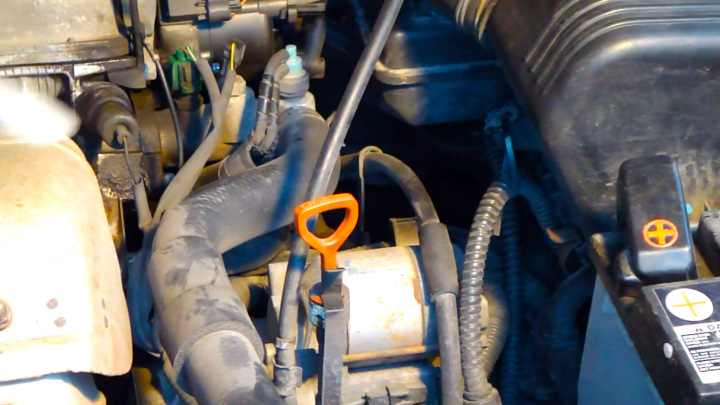
Depending on your vehicle, the dipstick can usually be found near the back of the engine compartment, often marked with a bright color. If your vehicle lacks a dipstick, you may have a sealed transmission, which typically requires professional servicing.
3. Remove the Dipstick
Carefully pull the dipstick out. Wipe it clean with a rag or paper towel to eliminate any residue from previous checks. This enables a more accurate reading.
4. Reinsert and Remove the Dipstick Again
Insert the dipstick back into its tube, pressing it all the way down, and then remove it once more. Now, observe the fluid on the end of the dipstick. It should be a clear red or pink color, indicating healthy fluid. If it appears dirty or brown, that is a sign of possible deterioration.
5. Assess the Fluid Level
Most dipsticks have marked indicators for ‘Full’ and ‘Add.’ If the fluid level is below the ‘Add’ mark, you’ll need to top it off.
6. Top Off if Necessary
If you find the fluid level is low, using a funnel, add the appropriate type of transmission fluid gradually, checking the level frequently to avoid overfilling. Remember, a fluid overfill can lead to erratic shifting and fluid aeration.
7. Check for Contaminants
Beyond just the color, examine the texture of the fluid. If it feels gritty or has a burnt smell, it’s time for a fluid change.
### Common Challenges
Some challenges might arise while checking your transmission fluid. Here are a few potential hurdles:
- No Dipstick: If you find yourself in a situation where there’s no dipstick present, it’s advisable to consult your vehicle’s manual for proper checking procedures, as you may have to use specialized equipment.
- Fluid Confusion: With various types of transmission fluid available, ensure you are using the one compatible with your vehicle. Referencing the owner’s manual can prevent missteps.
- Unfamiliar Readings: If the readings remain ambiguous or if any issues persist despite the fluid level being normal, don’t hesitate to seek professional guidance.
### Conclusion
Regularly checking your transmission fluid is an essential aspect of vehicle maintenance that should not be overlooked. By following these detailed steps, you empower yourself with the knowledge to ensure your vehicle remains in excellent driving condition. Remember, a little diligence today can prevent potential automotive quandaries tomorrow. So the next time you find yourself pondering, “How do I check my transmission fluid?” you’ll confidently glide through the process, ensuring that your driving symphony remains melodious and harmonious. Safe travels!











Leave a Comment