When it comes to crafting the perfect beef jerky, meticulous attention to the intricacies of preparation is paramount. Among these details, the duration of dehydration at specific temperatures reigns supreme. Understanding the question, “How long to dehydrate beef jerky at 160°F?” not only piques your curiosity but also initiates a delightful exploration into the world of meat preservation. As you embark on this journey, prepare to encounter tips and insights that promise to elevate your jerky-making prowess.
The Science Behind Dehydration
Before delving into the specifics, let’s take a moment to appreciate the science underlying dehydration. Dehydration is not merely about removing moisture from meat; it is a sophisticated technique that inhibits bacterial growth while preserving the flavor and texture of beef. The ideal temperature for effective dehydration sits comfortably at 160°F, a zone where harmful pathogens like E. coli and Salmonella are eradicated without jeopardizing the integrity of the meat’s natural sweetness.
Choosing the Right Cuts of Beef
To create an exquisite jerky, the selection of beef cuts is crucial. Look for lean cuts, such as eye of round, flank steak, or sirloin tip, as they possess minimal fat content. Fat does not dehydrate well and can lead to rancidity if stored improperly. Slicing the meat against the grain will yield tender, chewable pieces that will enhance your jerky experience. Consistency in thickness—around ¼ inch—is vital. This ensures even drying and prevents any parts from becoming overly tough.
Preparation: Marination and Seasoning
The marination process is where creativity flourishes. A well-crafted marinade not only imparts flavor but also assists in the preservation process. Consider a blend of soy sauce, Worcestershire sauce, brown sugar, and your choice of spices to create a tantalizingly savory profile. Allow the beef to marinate for a minimum of 4 to 24 hours; the longer, the better, as flavors will penetrate deeper into the meat fibers.
Creating an Effective Dehydration Environment
Setting the stage for dehydrating is essential. Preheat your dehydrator or oven to the target temperature of 160°F. This step ensures that once you introduce the marinated meat, it begins to dehydrate immediately, preserving the flavor and texture you’ve painstakingly achieved. If using a dehydrator, ensure that air circulation is unobstructed; layering trays with adequate spacing between them facilitates even airflow, which is paramount for successful dehydration.
Timing Your Dehydration
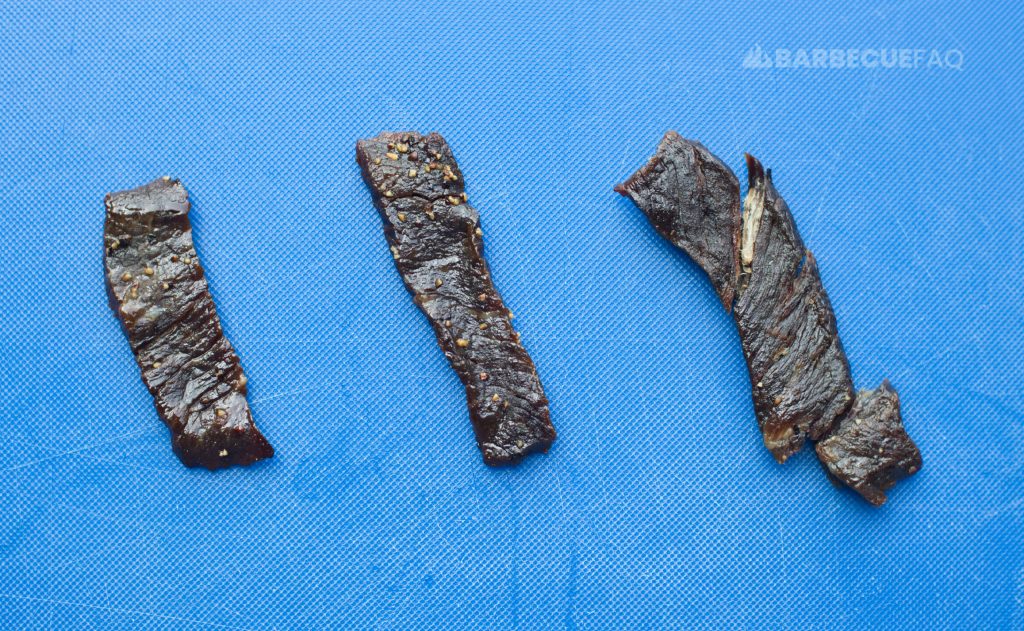
The inquisitive mind must now tackle the crux of the matter: how long to dehydrate beef jerky at 160°F? The general guideline suggests a timeframe ranging from 4 to 8 hours. However, nuances abound. Factors such as the thickness of your meat slices, humidity levels in your cooking environment, and even the type of dehydrator used can influence the drying time. At the four-hour mark, start checking the jerky for doneness. It should be firm yet pliable, bending without breaking. If you want to achieve that characteristic chewiness, err on the side of longer dehydration times, up to the 8-hour mark for thicker slices.
Checking for Doneness
Determining when your jerky has reached perfection requires a delicate balance of judgment and experience. The traditional test involves bending a piece of jerky; it should hold its shape yet offer a subtle flex, indicating it isn’t overly dry. Additionally, consider cutting a piece in half; the interior should exhibit a deep, rich color, devoid of any moisture. If you observe any signs of red juiciness, return the jerky to the dehydrator for further drying.
Storage: Preserving Your Culinary Creation
Once your jerky emerges as a masterpiece, storage practices play an equally vital role in maintaining its quality. Allow the jerky to cool completely before packaging. An airtight container, such as vacuum-sealed bags, prevents moisture ingress and prolongs shelf life. A cool, dark place is ideal for storage; if you plan to keep the jerky for an extended period, refrigeration is a wise choice. This will inhibit mold growth and keep flavors vibrant for weeks, if not months.
Unveiling the Benefits of Homemade Jerky
Engaging in the process of making homemade beef jerky presents an array of benefits beyond mere flavor. Not only can you customize ingredients to cater to dietary preferences, but you also gain an unparalleled sense of satisfaction from crafting a product that is both delicious and nutritious. The high protein content and compact nature of jerky make it an ideal snack for outdoor adventures or a simple pick-me-up during your busy day.
Conclusion: The Journey Awaits
In navigating the world of beef jerky preparation, understanding how long to dehydrate at 160°F paves the way for culinary triumph. By honing your selection of cuts, engaging in creative marinades, and employing meticulous dehydration techniques, you stand poised to create an extraordinary snack bursting with flavor and texture. So gather your ingredients, embrace the artistry of jerky-making, and unleash a new realm of flavor at your fingertips. The journey of making your own beef jerky promises not only delicious rewards but an enduring passion that will inspire your culinary endeavors for years to come.







Leave a Comment