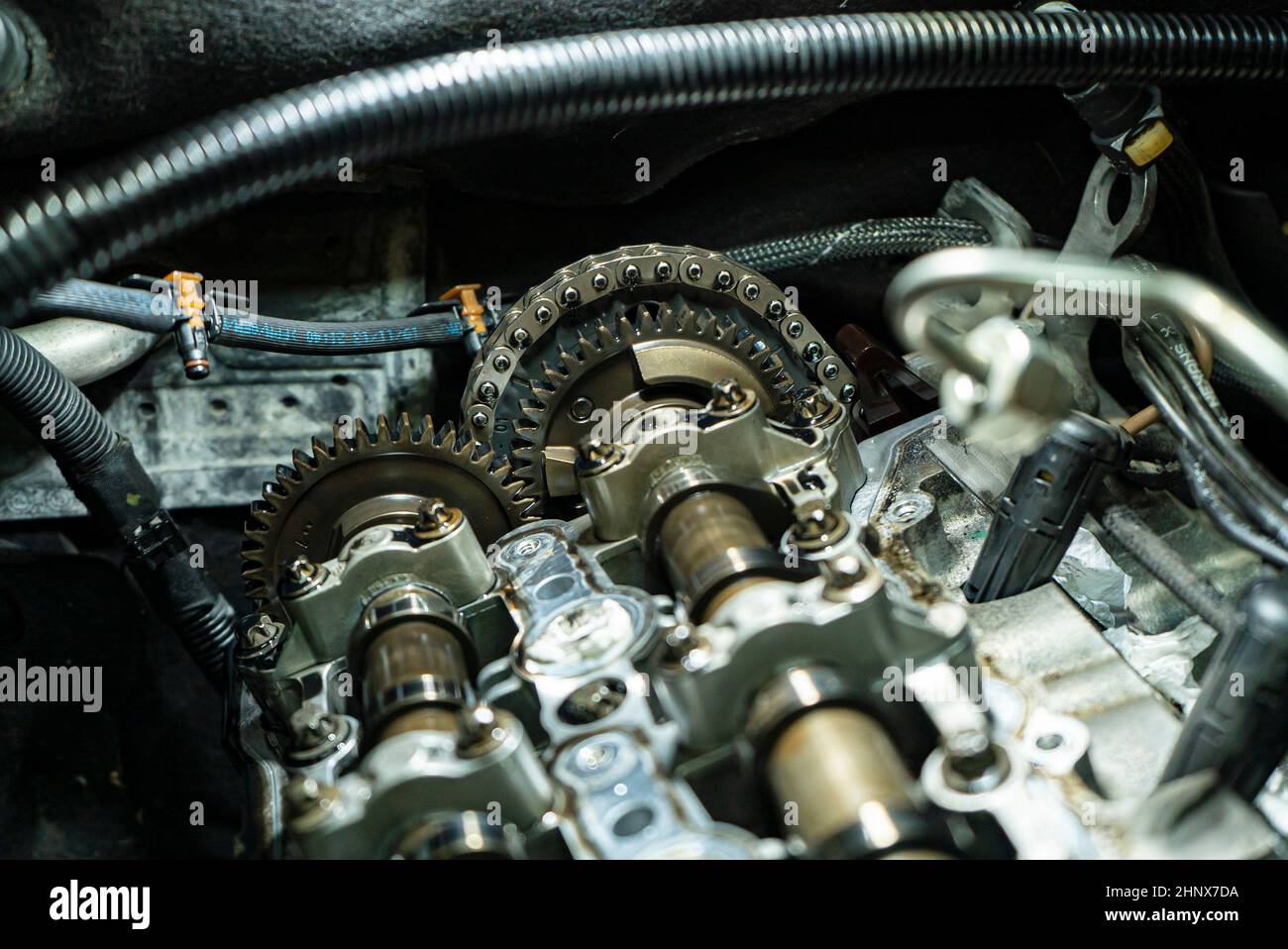
Is your vehicle making strange noises or showing signs of unusual behavior? The timing chain, a crucial component of your engine’s timing mechanism, may be the culprit. Understanding the signs of a failing timing chain is essential for every car owner. Ignoring these symptoms can lead to severe engine damage and costly repairs down the line. Here’s a comprehensive guide outlining the telltale signs of a bad timing chain.
1. Unusual Engine Noises
If you begin to hear a rattling or slapping noise while the engine is running, it could be indicative of a loose or worn timing chain. This sound often resembles metallic clanging and is caused by the chain not maintaining the proper tension. If the noise persists, it is crucial to investigate further, as this could point to significant issues beyond mere wear and tear.
2. Engine Misfiring
An engine that misfires frequently may be struggling to maintain the proper timing. The timing chain ensures synchronization between the crankshaft and camshaft. When it becomes damaged, the timing of the engine’s firing can be disrupted, leading to erratic behavior. If you notice hesitation or choppy acceleration, don’t dismiss it; this could be attributed to your timing chain.
3. Check Engine Light Illumination
The check engine light isn’t just a benign feature of your dashboard; it’s your car’s way of alerting you to potential problems. If this light illuminates accompanied by other performance issues—especially if the codes highlighted point toward timing issues—this should not be taken lightly. A mechanic often deciphers these codes, which may reveal that the timing chain is out of alignment or malfunctioning.
4. Oil Contamination
As the timing chain operates, it relies on oil for proper lubrication. Over time, if bits of the chain wear off, they can contaminate the oil. If you notice metallic particles in the oil, this can be a red flag indicating the timing chain is disintegrating. Regular oil checks can help you catch this early, but don’t solely rely on this method. An immediate oil change is advisable if contamination is spotted.
5. Decreased Engine Performance
A sluggish or unresponsive engine can stem from a variety of issues, but if the timing chain is compromised, the diagnosis could be simpler. If you’re experiencing a lack of power or an unusually high fuel consumption rate, the timing chain could be delaying the engine’s power delivery. Addressing timing chain issues promptly could restore lost performance.
6. Unstable Idling
Is your vehicle idling irregularly? A stable engine should maintain a consistent RPM when in neutral. If it begins to fluctuate dramatically—revving higher or lower without cause—you may have an issue related to your timing chain. An off-kilter timing chain can affect valve timing, leading to a shaky idle and an unpleasant driving experience.
7. Timing Chain Slippage
Should you notice a significant drop in your vehicle’s acceleration or sudden loss of power while driving, slippage of the timing chain may be to blame. Slippage occurs when the chain has excessive wear or slack, failing to maintain the necessary tension. This condition can be quite perilous while driving, as it could lead to a complete breakdown if not addressed promptly.
8. Engine Stalling
Stalling can be frustrating, especially when it occurs at the most inconvenient times. If your vehicle unexpectedly stalls and is challenging to restart, a failing timing chain might be the reason. The engine requires precise timing to continue running smoothly. If the timing chain is stretched or compromised, the engine may not be able to maintain operational stability.
9. Visible Wear or Damage
In some cases, a simple visual inspection can provide insights into the condition of your timing chain. If you have access to your engine’s components, look for signs of wear or damage such as cracks, stretching, or misalignment. Discoloration or rust can also indicate that the chain is beginning to fail. If anything seems amiss, consider consulting a professional mechanic for a more thorough examination.
10. Professional Diagnosis
No matter the signs you observe, a professional diagnosis is quintessential. Sometimes, the symptoms can be misleading, masking underlying problems unrelated to the timing chain. A mechanic equipped with the right tools can perform diagnostic tests, including checking the timing chain tension and alignment, to deliver an accurate assessment of your vehicle’s health.
Conclusion
Detecting the signs of a bad timing chain early can save you from extensive damage and hefty repair costs. As a vehicle owner, being vigilant about how your car sounds and behaves plays an integral role in its long-term health. If you notice any of the warning signs outlined above, take prompt action. Timely intervention can mean the difference between a simple repair and a significant engine overhaul. After all, a well-maintained engine is the heart of a reliable vehicle, and understanding the critical nature of the timing chain is the first step toward ensuring your engine stays in top condition.








Leave a Comment