Experiencing a fuel odor in your car can be both alarming and perplexing. Every driver has likely encountered an unusual smell at one time or another, but a persistent fuel scent is a cause for concern. This article aims to provide a comprehensive understanding of the potential causes of fuel odors, the implications for your vehicle, and the necessary actions to rectify the situation. Drivers should be vigilant: the presence of a fuel smell can indicate underlying issues that require immediate attention.
Understanding Fuel Odor: What It Is and Why It Matters
A fuel odor in your car typically emanates from gasoline, diesel, or other petroleum products used to power your vehicle. It may manifest as a sweet, pungent scent, reminiscent of a gas station, and can vary depending on the source. The critical issue here lies in the fact that any discernible fuel odor is a possible indicator of leaks or malfunctions. Ignoring such symptoms can lead to significant mechanical failures or safety hazards, including fire risks and environmental concerns.
Common Causes of Fuel Odor in Cars
Identifying the source of the fuel smell is paramount. Several common culprits may be at play:
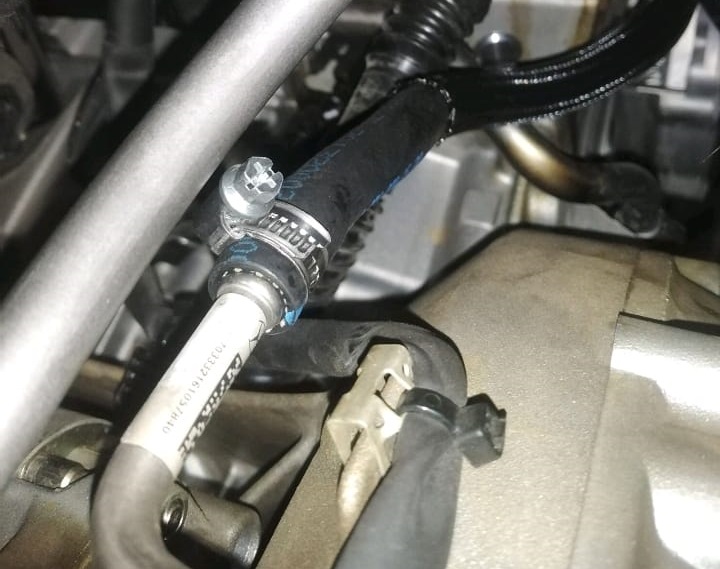
- Fuel Leaks: One of the most prevalent causes of fuel odor is a fuel leak. This can occur from damaged fuel lines, worn or cracked seals, or problems with the fuel injector. Depending on the point of the leak, the smell may be more pronounced from the engine bay or beneath the vehicle.
- Evaporative Emission Control System (EVAP) Issues: The EVAP system is designed to capture and recycle fuel vapors from the fuel tank. If components like the charcoal canister or vent valve malfunction, fuel vapors can escape, resulting in a distinct odor.
- Fuel Cap Problems: A frequently overlooked issue is a loose or damaged fuel cap. If the cap doesn’t seal properly, fuel vapors can easily escape, leading to a noticeable odor, particularly after refueling.
- Faulty Fuel Pressure Regulator: This component regulates fuel pressure in the engine. A malfunction can lead to excessive fuel being released into the combustion chamber, possibly leaking into the vacuum system and subsequently creating a fuel smell.
- Exhaust Leaks: Although not directly related to fuel systems, exhaust leaks can produce a mix of vapors that may resemble a fuel smell. These typically occur in the exhaust manifold or exhaust pipes, and are often accompanied by a decrease in vehicle performance.
Identifying the Source of the Odor
It is imperative to accurately identify the source of the fuel smell:
- Visual Inspection: Begin by performing a comprehensive visual inspection of the fuel lines, injector ports, and fuel tank. Look for signs of wetness or discoloration indicating a leak.
- Check the Fuel Cap: Ensure that the fuel cap is tight and undamaged. If there are cracks or wear on the seal, replace it to eliminate the possibility of vapor escape.
- Listen for Unusual Noises: A hissing sound near the fuel tank may indicate pressure issues, signaling a malfunction in the EVAP system.
- Verify the Smell’s Source: Determine if the odor is more potent when the vehicle is running, when idling, or immediately after refueling to help pinpoint the issue.
- Monitor Changes Over Time: Take note of whether the odor persists or worsens under specific conditions, such as after a rickshaw journey or encountering heavy traffic.
Consequences of Ignoring Fuel Odors
Ignoring a fuel smell in your car can lead to dire consequences:
- Fire Risk: Fuel vapors are highly flammable. Prolonged exposure to sparks or heat can ignite these vapors, resulting in dangerous situations.
- Environmental Impact: Fuel leaks contribute to environmental degradation. Escaping hydrocarbons can contaminate soil and groundwater, posing risks to ecosystems.
- Decreased Vehicle Performance: Untreated fuel system problems can lead to diminished engine efficiency, increased fuel consumption, and potentially catastrophic engine failures.
- Costly Repairs: Delaying repairs often leads to more extensive damage. Addressing minor leaks now can prevent substantial repair bills in the future.
When to Seek Professional Help
It is crucial to seek mechanics’ assistance if:
- The smell persists despite addressing potential issues.
- You notice pooling fuel beneath your vehicle.
- The odor intensifies during operation or idling.
- Unusual engine performance issues arise, such as stalling or reduced power.
Professionals have the expertise and tools necessary to conduct thorough diagnostics. They can identify root causes that may not be apparent during a casual inspection.
Preventative Measures
Taking steps to prevent fuel odors will keep your vehicle and you safe:
- Regular Inspections: Schedule routine maintenance check-ups to ensure that fuel systems and components are functioning properly.
- Quality Fuel: Use high-quality fuel from reputable sources to minimize the likelihood of contaminants and vaporization issues.
- Monitor Your Driving Habits: Identifying driving patterns that exacerbate issues can aid in demystifying recurring problems and help with timely interventions.
- Know Your Vehicle: Familiarity with your vehicle’s characteristics, including normal operating smells, can help you detect anomalies more readily.
In conclusion, a fuel odor in your car is not something to be ignored. By maintaining vigilance and promptly addressing the underlying issues, you can ensure your vehicle remains safe and efficient. Regular maintenance, awareness of the typical scents associated with your automobile, and an understanding of what to do when unusual smells arise will facilitate a more enjoyable driving experience.









Leave a Comment