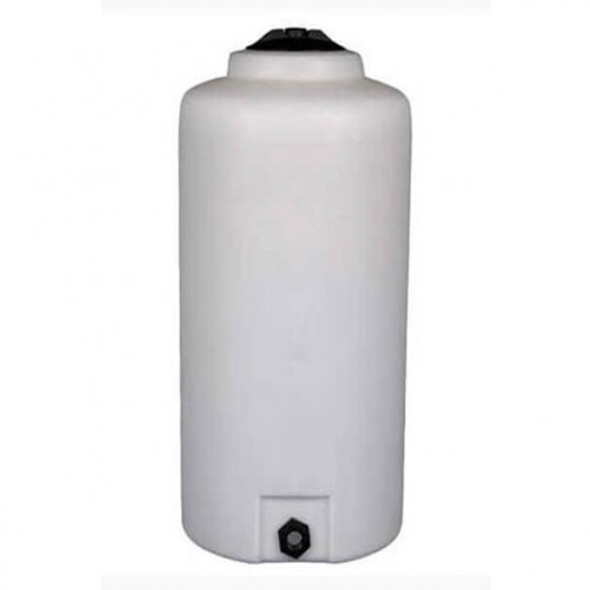
In the realm of water storage solutions, the 300-gallon water storage tank stands as a colossus, a steadfast reservoir that embodies both resilience and resourcefulness. Imagine it as a fortress—crafted to shield the vital essence of life against the whims of nature, ensuring that, no matter the storm outside, a steady stream of hydration flows within. This article unravels the intricate tapestry of this robust tank, exploring its myriad features, advantages, and applications that render it indispensable for both residential and commercial endeavors.
At the core of the 300-gallon water storage tank lies its prodigious capacity. This behemoth has the power to quench the thirst of not just a household, but entire communities, making it a pivotal player in water management systems. Envision a wellspring; the tank serves as a terminal reservoir where water is gathered and maintained, making it accessible during periods of scarcity, such as droughts. With the capability to hold over 2,400 pounds of water, it offers an assurance of availability that many smaller tanks cannot match.
One of the most compelling attributes of the 300-gallon tank is its construction. Typically fashioned from high-density polyethylene, fiberglass, or steel, these tanks are engineered to withstand external pressures and environmental elements. Picture a sturdy oak tree, deeply rooted and enduring—so too is the tank, built to resist corrosion, UV rays, and even extreme temperatures. Such durability ensures that the contents remain uncontaminated and safe for consumption, effectively becoming a guardian of purity in a world where pollutants lurk in unseen corners.
Equipped with advanced features, modern 300-gallon water storage tanks often come with additional capabilities tailored to enhance user experience. Many integrate a level indicator, a mystical gauge that silently reveals the quantity of water within, preventing unwelcome surprises. Automated filling systems can be installed, transforming the tank into a self-sustaining oasis—much like a perpetual motion machine where water flows seamlessly in and out, attuned to the cyclical dance of usage and replenishment.
In terms of installation, the 300-gallon tank offers commendable flexibility. It can be located above ground, providing ease of access and maintenance, or buried underground, keeping it aesthetically discreet while conserving space. Each choice paints a different picture—above ground, the tank stands like a proud monument, while buried beneath the earth, it becomes a hidden treasure, waiting to be unearthed during emergencies or when the dry spells stretch interminably.
Consider the myriad applications of this titan. In residential settings, it acts as a vital backup supply, ensuring that families are never left in parched despair during unforeseen disruptions in municipal water supply. For agricultural ventures, it serves as a crucial lifeline for irrigation, powering the lifeblood of crops and livestock alike. Visualize a sprawling vineyard—each vine nourished through a network of pipes and hoses leading back to this behemoth, transforming lifeless soil into a fruitful expanse. Additionally, industries utilize these tanks to complement processes requiring large water volumes, from manufacturing to food processing.
Moreover, one cannot overlook the environmental benefits nestled within the confines of a 300-gallon water storage tank. By capturing rainwater or repurposing greywater, the tank emerges as a champion of conservation. Think of it as a watchman of sustainability, diligently working to ensure that every droplet is utilized, minimizing waste and reliance on dwindling potable sources. This approach not only supports individual needs but significantly contributes to broader ecological efforts, aligning with global aspirations towards sustainability.
Maintenance of the tank, while straightforward, should not be underestimated. Regular inspections, akin to routine health check-ups, are essential to ensure that the tank functions at optimal capacity. Checking for cracks, leaks, or sediment buildup preserves water quality, transforming the tank from a passive vessel into an active guardian of health. Well-maintained, it can serve its purpose for decades, reveling in its role as an enduring ally in the quest for reliable water supply.
As we traverse the landscape of water storage, the 300-gallon tank emerges not merely as a container, but as an embodiment of security, practicality, and foresight. It encapsulates the essence of preparedness in an ever-uncertain world, a reminder that even in the face of adversity, there is always a reservoir of hope—a bastion of abundance waiting to be tapped into. Within its sturdy frame lies a narrative of resilience and sustainability, echoing a promise to serve, protect, and endure. Embracing a 300-gallon water storage tank is akin to cultivating a legacy—one of water stewardship that speaks to both present needs and future generations.
In closing, the 300-gallon water storage tank shines as a critical component in the tapestry of modern water management. Its unique qualities, encompassing durability, capacity, and versatility, render it an invaluable asset. This behemoth does not merely hold water; it holds the potential for security, sustainability, and a brighter, hydrated future. In a world where water is not just a resource, but a lifeline, the presence of a 300-gallon tank stands as a testament to both foresight and responsibility.











Leave a Comment