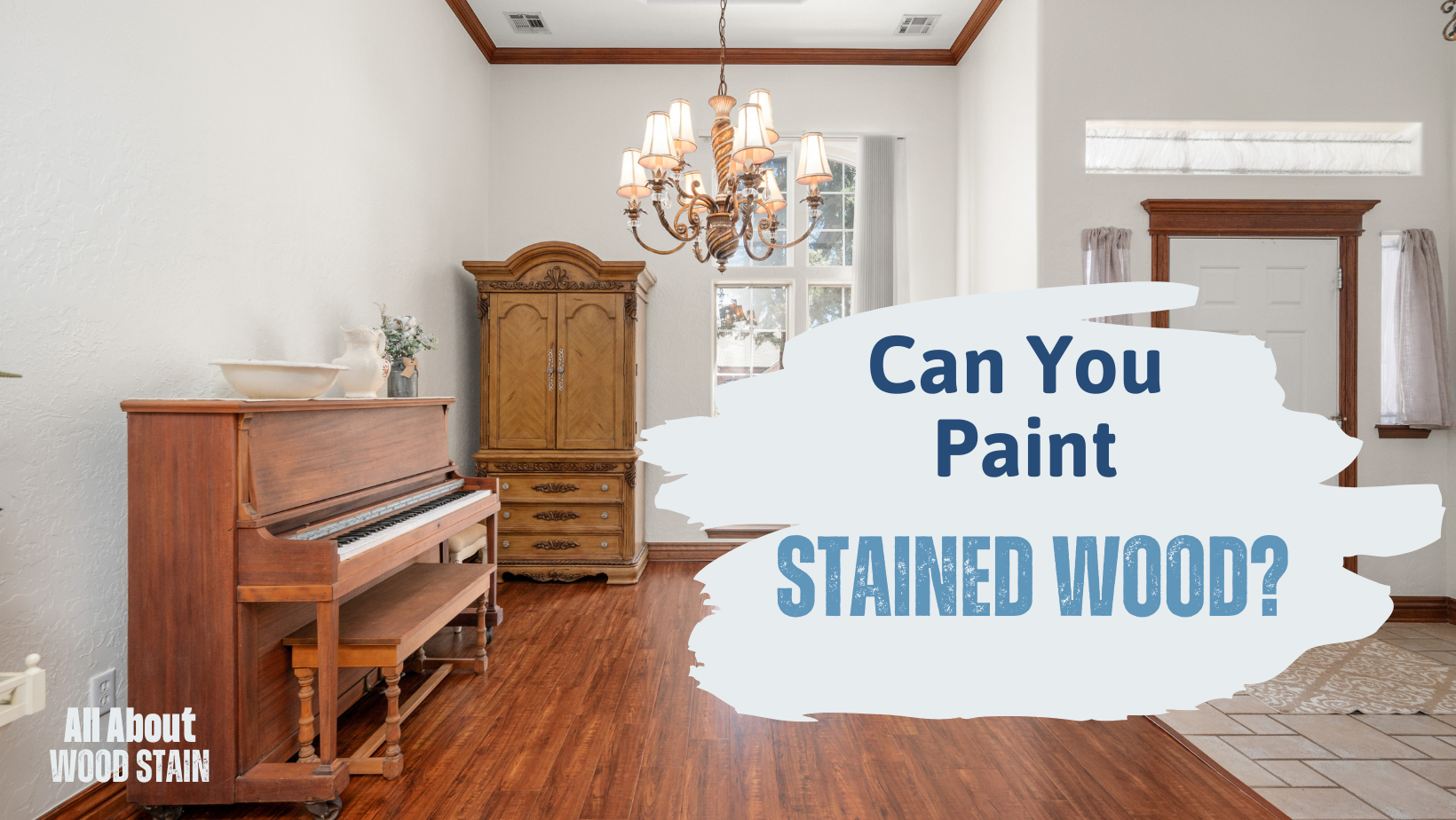
Have you ever wondered if you can paint over stained wood? It’s a question that may seem straightforward, yet it’s laden with nuance and potential challenges. The allure of giving a fresh coat of paint to well-loved furniture or wooden fixtures is enticing, particularly when the goal is to rejuvenate a space. However, before you dive headfirst into this transformation, it’s crucial to comprehend the intricacies of stained wood and the implications of painting over it. In this guide, we’ll explore the feasibility, necessary preparations, and techniques to achieve a satisfactory result while considering a few pitfalls you may encounter along the way.
Understanding Stained Wood
Stained wood is not merely wood that has been colored; it has undergone a transformation that permeates the very fibers of the material. Stains are designed to enhance the natural beauty of wood, accentuating its grain and texture while adding color. Thus, when contemplating painting over this meticulously treated surface, one must consider whether the stain has penetrated deeply enough to resist the new finish without dwindling in vibrancy and longevity.
Assessing the Type of Stain
Before embarking on your painting journey, it is important to ascertain the type of stain you are dealing with. Transparent or semi-transparent stains may provide some challenge, as they allow the wood’s natural character to shine through. Conversely, solid color stains can create a protective film that may serve as a barrier. Regardless of the type, an assessment will guide the choice of primer and paint necessary for a successful application.
The Vital Role of Cleaning
One might think that simply grabbing a paintbrush and jumping into the project is the way to go. However, cleanliness is paramount. The residue left by dust, grease, or even wax can inhibit adhesion, leading to unsightly peeling or chipping as time unfolds. Begin by meticulously cleaning the wood surface. A gentle mixture of soap and water often suffices, or for tougher residues, a degreaser may prove beneficial. Allow it to dry completely before proceeding.
Sanding: The Path to Smoothness
Whispers of sandpaper and the rhythmic sound of sanding might scare away the faint-hearted, but it is an essential maneuver when it comes to painting over stained wood. Gritty sandpaper opens up the porous surface of the wood, allowing the paint to adhere better. Aim for a fine to medium grit to avoid gouging the wood. This step is non-negotiable; skipping it will jeopardize the integrity of your paint job down the line.
Selecting the Right Primer
Much like a trusted foundation in a grand building, a good primer is indispensable when painting over stained wood. Not only does it provide a neutral base, but it also acts as a barrier, preventing the stain from bleeding through. Choose a high-quality, stain-blocking primer designed for glossy or smooth surfaces. Apply it generously and allow it to dry thoroughly, paying close attention to the manufacturer’s recommendations for drying times.
The Paint Selection Process
The choice of paint can make or break your project. Oil-based paints are notoriously durable and would usually be the preferred choice for stained wood. However, water-based paints have come a long way, offering robust alternatives that are often easier to clean and maintain. Consider your space, the desired finish, and the wear and tear the item might encounter to make an informed decision.
Application Techniques: Mastering the Art
Once you have prepped your wood and selected the appropriate materials, it’s time for the fun part: painting! Use a high-quality brush or roller to apply your paint, ensuring even coverage. For larger surfaces, a roller can expedite the process; for intricate details, a brush provides finesse. Depending on the color’s opacity, multiple coats may be necessary, but patience is key. Allow each layer to dry completely before proceeding to the next.
Finishing Touches: Sealing the Deal
After the final coat has dried, consider applying a sealer or topcoat for added durability. This step fortifies against scratches, smudges, and moisture—guarding your masterpiece for years to come. Look for water-resistant or washable options, especially if the item is frequently used.
Potential Challenges: What to Keep in Mind
However, not all that glitters is gold. The journey of painting over stained wood can present various challenges. Bleeding stains, texture issues, and adhesion problems can surface if proper precautions are not taken. It is advisable to conduct a test patch in an inconspicuous area to foresee any undesirable outcomes. This trial run provides insight into how the paint interacts with the stain and allows for adjustments before full-scale application.
Conclusion
In the grand scheme of home improvement projects, painting over stained wood is a feasible endeavor with the right planning and execution. While it can pose challenges, the rewards of a refreshed and vibrant aesthetic often outweigh the hurdles. By meticulously assessing the existing stain, employing thorough cleaning and preparation techniques, and utilizing quality materials, transforming your stained wood objects can lead to stunning results. Armed with this knowledge, you can approach your project with confidence, turning the ordinary into the extraordinary.










Leave a Comment