Imagine this: you’re preparing for an elegant evening out, the occasion is special, and you’ve picked the perfect outfit. But as you glance in the mirror, your heart sinks when you notice that your beloved jewelry might have succumbed to the effects of time. Does Cubic Zirconia tarnish? This question lingers like a cloud on an otherwise sunny day. In the realm of jewelry, tarnishing represents a dilemma worth investigating. Let’s dive into the intricate world of Cubic Zirconia (CZ) to uncover the nuances of this captivating gemstone and its relationship with tarnish.
To begin, it’s essential to delineate what Cubic Zirconia is. A synthetic gemstone, CZ is a zirconium dioxide based crystalline form. Renowned for its clarity, affordability, and resemblance to diamonds, CZ has become a popular choice for all types of jewelry, from ornate rings to delicate earrings. However, its synthetic nature piques curiosity regarding its durability and longevity.
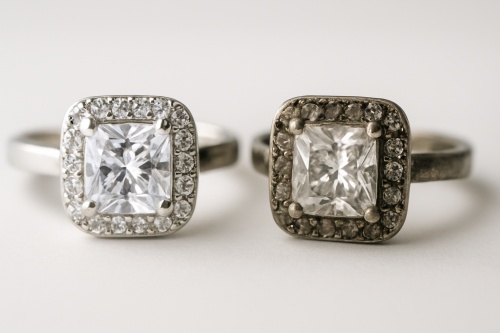
The foremost concern arises: does cubic zirconia tarnish like other materials such as silver or copper? The answer lies in the settings and metals used in conjunction with CZ. Unlike pure diamond or higher-end gemstones, Cubic Zirconia, by itself, does not tarnish. The crystalline structure of CZ is incredibly stable, resisting the tarnishing process that affects many metals. But herein lies the potential challenge! The settings that cradle Cubic Zirconia gemstones often consist of different materials, which can be susceptible to tarnishing.
Understanding the interplay of metals is vital. Many jewelry pieces adorned with CZ are crafted from precious metals like silver, gold, or plated alloys. Each of these materials behaves differently when exposed to environmental factors. Silver, for instance, has a natural tendency to tarnish, transforming from its shiny, lustrous form to a dull grayish hue over time. This transformation occurs due to the chemical reactions between silver and sulfur compounds in the air. Consequently, while your dazzling CZ may remain pristine, the jewelry setting itself may not share that fate.
So, how can one differentiate between the tarnishing of the setting and the maintained brilliance of the CZ? One way to do this is through regular maintenance. Cleaning your jewelry regularly will help preserve both the integrity of the CZ itself and the appearance of its metal setting. For silver-based settings, employing a silver polishing cloth can work wonders, restoring their shiny finish without impacting the CZ gemstone. On the other hand, when cleaning CZ, gentle soap and water can provide a sparkling effect without risking damage to the stone.
Now, let’s delve deeper into the types of metal settings. Gold, whether in its yellow, white, or rose variants, typically resists tarnish due to its non-reactive composition. Nonetheless, it’s crucial to note that gold-plated jewelry may still tarnish beneath the surface as the plating wears away. In contrast, more affordable alloy materials often used in costume jewelry can be quite sensitive to moisture and air, leading to tarnishing that can detract from the overall aesthetic.
However, could these signs of wear and tear lead to concerns beyond just aesthetics? Indeed, they might! Tarnishing can expose underlying metals that may cause skin sensitivities or allergic reactions. If you notice skin irritation after donning your jewelry, you may want to consider the materials involved. Opting for hypoallergenic metals or higher-karat gold can mitigate these risks.
Taking into account another pivotal question: how can one extend the life and allure of Cubic Zirconia jewelry? As a gem that thrives on care, storing your jewelry in a dry, cool place away from direct sunlight can significantly prolong its brilliance. Additionally, non-abrasive storage solutions, such as cloth pouches or jewelry boxes lined with fabric, can prevent scratches and encumbrances caused by accidental tangle with other pieces.
Moreover, it is prudent to remove your CZ jewelry before engaging in activities that could expose it to extreme elements. For example, swimming, exercising, or applying lotions and perfumes can lead to tarnishing of the settings and diminish the stone’s shine. By treating your jewelry thoughtfully, you can avoid a host of erosion-related challenges.
In summation, while Cubic Zirconia itself does not tarnish, the materials surrounding it can pose challenges that manifest as dullness or discoloration. Being proactive about maintenance, choosing quality settings, and practicing careful handling can ultimately ensure that your glittering CZ jewelry shines radiantly for years to come. Armed with knowledge about the interactions between materials, individuals can make informed decisions that enhance both the beauty and functionality of their jewelry collections.
So, as you prepare for that special event, take a moment to assess your jewelry. Armed with the insights shared, you can embrace the sparkle of your Cubic Zirconia with confidence, ensuring that it remains a dazzling accompaniment to any occasion. Happy wearing!








Leave a Comment