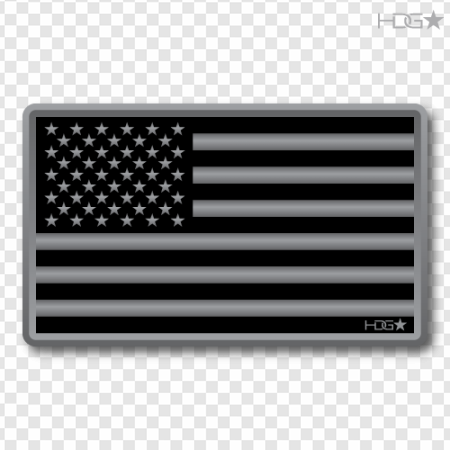
The American Reverse Flag Black is emblematic yet enigmatic, serving as a symbol that ignites discussion and contemplation. But how often do we pause to consider the nuanced meanings behind its distinctive colors and presentation? This flag, featuring a black field with the stars and stripes of the American flag rendered in reverse, prompts an engaging discourse. The question arises: what does this unconventional representation signify, and how does it challenge our traditional perceptions of patriotism? Let’s embark on a journey to explore its historical context, cultural interpretations, design elements, and the debates it evokes.
1. Historical Context and Origin
The Reverse Flag, often associated with a distressed or non-traditional state, finds its roots within the rich tapestry of American history. Initially used in maritime contexts, flags that display a reverse image signal various meanings, from distress to a challenge against normativity. Servicemen and women have sometimes used this version to manifest their disapproval of political or social conditions, creating layers of meaning that intersect around themes of protest and resilience.
2. Design Elements: Analyzing Its Aesthetic
The American Reverse Flag Black features stark contrasts, leveraging a predominantly black background with inverted elements of the classic red, white, and blue. The coloration is not just aesthetically striking but also serves as a canvas for deeper interpretation. Black, often associated with mourning or rebellion, becomes an intriguing choice against the connotations of patriotism that the flag traditionally embodies. The inverted stars mirror the original flag, yet their reversal begs a question of identity: are we looking at a celebration or an interrogation of American values?
3. Cultural Interpretations and Usage
In contemporary culture, the American Reverse Flag Black resonates differently across various factions. Some view it as a beacon of protest, a declaration of dissent against socio-political structures that have often marginalized voices. Conversely, others might perceive it as an affront to the traditional standards of patriotism, leading to a fascinating dialogue about what it means to love one’s country. Does it serve to unify or divide? The challenge lies in discerning how this flag acts as a mirror to societal values and concerns.
4. The Symbolism Behind the Colors
The color black carries immense weight, often representing strength in the face of adversity. Many movements have adopted this hue, embodying a call for change and resilience. On the other hand, the reversed colors of the stars and stripes could be interpreted as a radical reinterpretation of the American dream, posing the notion that the dream may be out of reach for many. This juxtaposition invites individuals to scrutinize their own interpretations of freedom and justice, positioning the flag as a catalyst for critical thought.
5. Patriotism or Protest: A Dual Path
The American Reverse Flag Black wades into contentious waters. Is it a symbol of patriotism or a protest narrative? This duality presents an intriguing challenge for both supporters and detractors. Supporters may assert the flag’s role in expressing dissent as vital to a healthy democracy, while critics might observe it as a repudiation of national identity. This dichotomy might well serve as a reflection of personal beliefs, prompting an introspective dialogue about what patriotism means in the complexities of modern America.
6. Social Media and the Flag’s Relevance
In an era saturated with digital discourse, the American Reverse Flag Black has made notable inroads on social media platforms. Hashtags associated with the flag juxtapose it with calls for various movements, reaching a diverse audience that spans generations. The playful challenge emerges: how do we contextualize such a symbol among memes and movements? The flag’s presence calls attention to the power of imagery in political and social conversations, evolving from mere representation to an integral part of activism.
7. Practical Applications: When and Where to Use
For those considering the practical applications of the American Reverse Flag Black, understanding its meaning is crucial. Whether used in a protest, displayed in an art installation, or even hoisted during community events, intention becomes paramount. How do you wish to convey your message? With the flag, the challenge lies not only in its display but in the conversations it ignites about patriotism, identity, and social justice.
8. Conclusion: The Ongoing Dialogue
The American Reverse Flag Black acts as a fulcrum in ongoing discussions about national identity and individual expression. It compels us to ask difficult questions—about loyalty, dissent, and what it means to be an American today. Navigating between support and criticism, this symbol resonates far beyond its fabric, challenging each of us to reflect on our values and beliefs. Will we embrace its complexities, or will we retreat to more traditional representations? The choice shapes the path of discourse in our societies, encouraging a dynamic conversation that will persist into the future.








Leave a Comment