Viscosidad cinemática, or kinematic viscosity, is a fundamental property of fluids that plays an indisputable role in various scientific and engineering disciplines. By delving into this fascinating subject, one can uncover the nuances that govern fluid behavior, a realm that fascinates engineers, physicists, and even biologists. This article aims to elucidate the concept of kinematic viscosity, its implications, and applications, promising to shift your perspective on the fluid dynamics that permeate our daily lives.
Understanding Viscosity
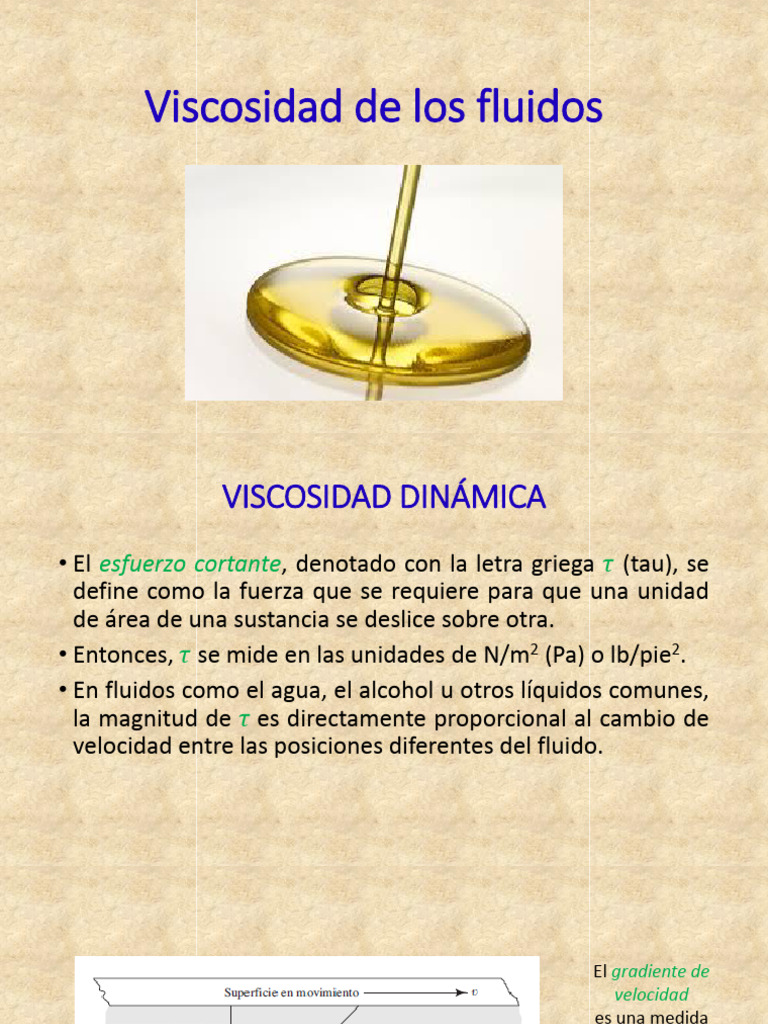
At its core, viscosity measures a fluid’s resistance to deformation and flow. Imagine honey slowly dribbling from a spoon; its thickness is a testament to high viscosity. Conversely, water flows readily, exemplifying low viscosity. But what about kinematic viscosity? Herein lies a distinction that is crucial. Kinematic viscosity is defined as the ratio of dynamic viscosity to fluid density, offering a more comprehensive picture of how a fluid behaves under the influence of gravity.
The Mathematical Framework
Kinematic viscosity is often represented by the Greek letter “ν” (nu) and is typically measured in square meters per second (m²/s) or, in some contexts, in centistokes (cSt). The relationship can be expressed mathematically as:
ν = μ / ρ
where:
ν = kinematic viscosity
μ = dynamic viscosity
ρ = density of the fluid.
This formula reveals the intricate interplay between a fluid’s internal friction and its density, illuminating how these factors coalesce to dictate flow behavior. As such, the kinematic viscosity not only serves as a numerical value but also as an indicator of a fluid’s ability to flow efficiently under varying conditions.
Importance of Kinematic Viscosity
Understanding kinematic viscosity is critical across diverse fields. In engineering, it guides the design of systems ranging from pipelines to hydraulic machines. In environmental science, it assists in predicting the behavior of pollutants in water bodies. And in medicine, it informs the understanding of blood flow and the development of pharmaceuticals. Therein lies a ripple effect of implications; miscalculations in assessing kinematic viscosity can lead to catastrophic failures or inefficiencies in any of these domains.
Factors Affecting Kinematic Viscosity
A myriad of factors influences kinematic viscosity, each deserving of attention:
- Temperature: As temperature rises, many fluids experience a decrease in viscosity, allowing them to flow more easily. For instance, heating oil results in a more manageable texture, vital for culinary and industrial applications.
- Pressure: While often neglected, increased pressure can affect fluid density and, thus, kinematic viscosity. This relationship is particularly vital for geophysical studies or deep-sea explorations.
- Shear Rate: The manner and speed with which a fluid is forced to flow can alter its viscosity. Non-Newtonian fluids, such as ketchup or cornstarch solutions, demonstrate this phenomenon vividly, as their viscosity can change when stress is applied.
- Composition: The intrinsic properties of the fluid’s components, including the presence of additives or particles, can substantially influence its overall viscosity. This is particularly relevant in industries like petrochemicals and food processing.
Applications of Kinematic Viscosity
The use of kinematic viscosity spans numerous applications that highlight its versatility:
- Automotive Engineering: In the world of automobiles, kinematic viscosity is crucial for selecting engine oils. The right viscosity ensures optimal lubrication, enhancing engine performance, reducing wear, and ensuring longevity.
- Pipelines: In the transportation of liquids, pipeline design must account for the kinematic viscosity of fluids to prevent blockages and ensure efficient flow rates. Engineers rely on precise viscosity measurements to construct effective transport systems.
- Pharmaceutical Development: The formulation of drugs often hinges on controlling the viscosity of solutions, influencing absorption rates and bioavailability. Here, kinematic viscosity proves indispensable in drug efficacy.
- Food Technology: In food processing, kinematic viscosity influences texture and mouthfeel. Understanding this property is essential for developing products that align with consumer expectations.
Measuring Kinematic Viscosity
A variety of methods exist for measuring kinematic viscosity, including:
- Capillary Viscometers: Utilizing the principle of gravity, these devices measure the time it takes for a specific volume of fluid to flow through a thin tube. This classic method offers reliable results, especially for Newtonian fluids.
- Rotational Viscometers: By employing a rotating spindle, this method evaluates the torque required to maintain a constant rotation speed, offering insight into the fluid’s viscosity characteristics.
Conclusion
In conclusion, kinematic viscosity embodies a fascinating intersection of physics, engineering, and real-world applications. By peering into the depths of this property, one unveils the secrets of fluid behavior, leading to innovations in technology, environmental management, and health sciences. Understanding the intricacies of kinematic viscosity ignites curiosity and promotes a deeper appreciation for the significance of fluid dynamics. Whether one is an engineer, a scientist, or merely a curious mind, kinematic viscosity opens a doorway to a captivating world where fluids flow and create change, proving that even the seemingly mundane possesses extraordinary importance.










Leave a Comment