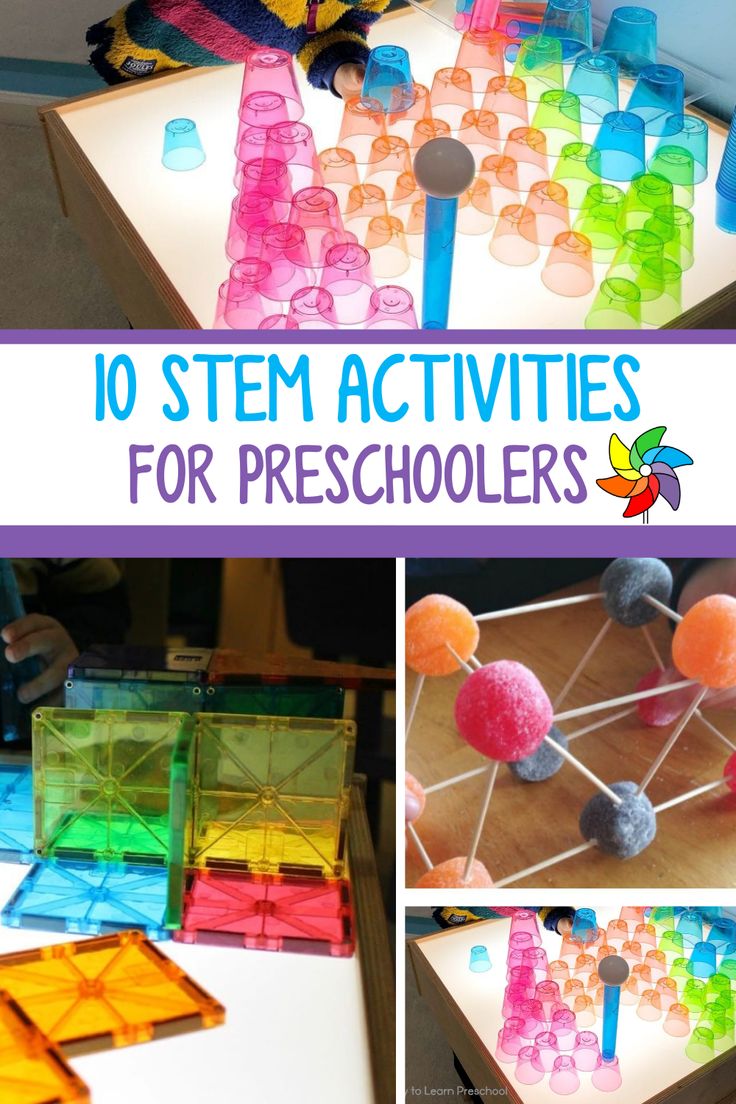
In an age where technology reigns supreme and scientific advancements shape our world, introducing preschoolers to STEM (Science, Technology, Engineering, and Mathematics) activities is not merely beneficial; it is essential. STEM education fosters critical thinking, nurtures curiosity, and inspires creativity in young minds. As preschoolers engage in hands-on, inquiry-based experiences, they build a solid foundation for future learning. This article delineates a plethora of engaging and dynamic STEM activities suitable for preschoolers, ensuring a comprehensive exploration of each domain.
1. Scientific Exploration
Incorporating science into playtime can be an exhilarating adventure for young children. Simple experiments introduce concepts that spark curiosity.
- Nature Walk and Observation: Take a stroll through a nearby park or garden. Equip children with magnifying glasses to scrutinize leaves, insects, and flowers. Encourage them to ponder questions such as, “What colors do you see?” or “What textures can you feel?” Journaling their observations enhances literacy skills.
- Fruit and Vegetable Dissection: Using safe, ripe produce, guide preschoolers through the dissection process. Provide child-safe knives for tearing apart fruits and vegetables, observing seeds, and discussing their findings. This hands-on experience deepens understanding of plant biology.
2. Technological Integration
Technology is integral to contemporary life, and introducing it to preschoolers can be both educational and enjoyable.
- Coding Games: Introduce basic coding concepts using board games that require children to follow sequences or patterns. Games like “Robot Turtles” or “Code & Go” enable young learners to grasp computational thinking while having fun.
- Interactive Storytelling Apps: Choose age-appropriate storytelling applications that allow children to engage with stories dynamically. As they interact with the narratives, discuss story elements and character motivations to bolster comprehension skills.
3. Engineering Challenges
Engineering stimulates problem-solving and design thinking. By posing challenges, preschoolers can learn through trials and triumphs.
- Build a Bridge: Provide various materials such as popsicle sticks, straws, and tape. Assign the challenge of constructing a bridge that can support the weight of toy cars. Encourage teamwork and brainstorming, emphasizing that failure is a stepping stone to success.
- Marshmallow Structures: Supply marshmallows and toothpicks for building outrageous structures. This hands-on activity fosters creativity while subtly introducing concepts like balance and stability.
4. Mathematical Exploration
The mathematical aspect of STEM activities focuses on developing numerical literacy and spatial awareness.
- Counting Games with Nature: Collect natural objects like pebbles, leaves, or pine cones. Use these items for counting, sorting, and categorizing exercises. Discuss patterns found in nature, which can lead to an exploration of symmetry and shapes.
- Measurement Stations: Set up stations with various measurement tools—measuring cups, rulers, and balance scales. Encourage children to measure ingredients for simple recipes or compare weights, thereby instilling an understanding of volume and mass.
5. Environmental Awareness
Fostering a sense of environmental stewardship is crucial. Activities focusing on ecology encourage respect for nature.
- Simple Gardening: Guide children in planting seeds in small pots. Throughout the process, discuss the importance of plants for our ecosystem. This ongoing project cultivates patience and responsibility as they nurture their creations.
- Recycling Relay: Organize a fun relay race centered around recycling. Set out bins labeled ‘plastic’, ‘paper’, and ‘metal’, and give children a variety of items to sort. Engaging them in discussions about why recycling matters can heighten their environmental consciousness.
6. Artistic Integrations
STEM doesn’t have to be devoid of creativity. Integrating art can enhance engagement and understanding.
- STEM-Themed Art Projects: Children can create art that emphasizes scientific concepts, such as painting a solar system or constructing a volcano model. This fusion of art and science aids in reinforcing the concepts learned through hands-on exploration.
- Nature Collages: Collect leaves, twigs, and flowers during outdoor exploration. Back indoors, children can create collages by arranging these natural elements, thus merging creativity with environmental science and appreciation.
In closing, engaging preschoolers in STEM activities is quintessential for cultivating a love for inquiry and exploration. Through a rich tapestry of experiences—ranging from scientific observation to artistic expressions—young learners can develop essential skills that contribute to their overall growth. Emphasizing hands-on learning ensures that their formative years are brimming with excitement and discovery. Nurturing their innate curiosity today will undoubtedly shape the innovators and leaders of tomorrow, poised to tackle the challenges of an ever-evolving world.









Leave a Comment