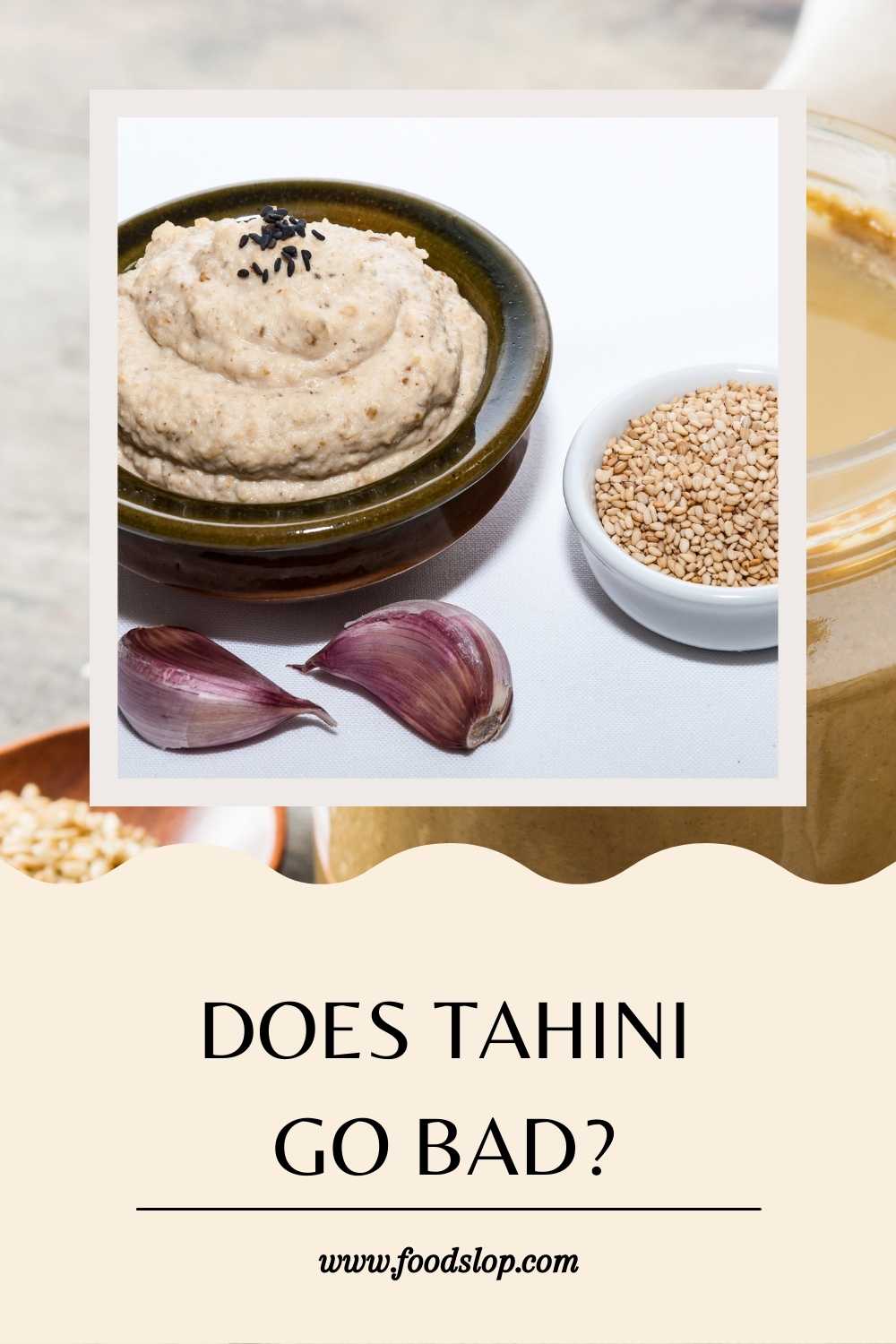
Tahini, a rich and creamy paste made from ground sesame seeds, has enchanted culinary aficionados around the world. Often hailed as a staple in Middle Eastern cuisine, it serves as the foundation for dishes such as hummus and baba ghanoush while also offering a multipurpose ingredient that enhances salads, dressings, and sauces. However, amid this love affair with tahini, many culinary explorers find themselves faced with an intriguing question: does tahini go bad? To explore this enigma, we shall navigate the intricate world of tahini shelf life, storage, and quality indicators, offering a fresh perspective that promises to deepen your appreciation for this quintessential pantry essential.
Understanding Tahini: Composition and Characteristics
To fully comprehend the longevity of tahini, one must first consider its composition. Tahini is primarily made of toasted or raw sesame seeds, which are ground into a fine paste. This botanical root endows tahini with a plethora of beneficial nutrients, including healthy fats, protein, and a host of essential vitamins and minerals. Its high-fat content plays a pivotal role in its shelf life, influencing both its preservation and factors that may lead to spoilage.
The Shelf Life of Tahini: An Intriguing Timeline
Understanding the shelf life of tahini requires unraveling various contributing factors. Typically, unopened tahini can last for several months, sometimes even up to two years, if kept in a cool and dark place. Conversely, once opened, its lifespan diminishes considerably. An opened jar of tahini can generally be expected to maintain its peak quality for about 6 months, depending on the specific storage conditions.
Storage Practices: Prolonging Freshness
The right storage methods are vital for maximizing tahini’s longevity. Here are some optimal practices:
- Refrigeration: While tahini can be stored at room temperature before opening, to prolong its freshness after opening, refrigerate it. The cooler temperatures help inhibit oil separation and spoilage.
- Airtight Containers: Airtight containers minimize exposure to air, reducing the risk of oxidation and rancidity.
- Original Packaging: If you choose to keep it in its original jar, ensure the lid is sealed tightly. This further protects the contents from air and moisture.
Identifying Spoiled Tahini: Signs and Symptoms
Curiosity peaks when one encounters potential spoilage. While tahini may not turn “bad” in the traditional sense, it can certainly experience a decline in quality. Here are key indicators:
- Off Smell: Fresh tahini has a pleasant, nutty aroma, but spoiled tahini may develop a rancid smell, signaling oxidation.
- Discoloration: While tahini can vary in color from light beige to deeper golden tones, the appearance of dark spots or a fundamentally altered color can indicate spoilage.
- Oil Separation: It’s common for tahini to naturally separate, with oil rising to the top. However, if this separation is accompanied by a strange odor or if the oil appears excessively dark, it’s best to proceed with caution.
- Texture Changes: A once-smooth paste can become gritty or dry when it has aged improperly. A drastic change in texture may imply it’s time to discard the tahini.
The Expiration Date: Deciphering the Labels
When scrutinizing a jar of tahini, one may encounter a “best by” date. This date serves as a guideline for optimal freshness rather than a definitive expiration timeline. It is vital to understand that even after this date, tahini may still retain its culinary capabilities, provided it has been stored under appropriate conditions. The onus of judgment falls to the individual, who must assess the sensory qualities of the tahini upon using it.
Creative Uses for Slightly Aged Tahini
Rather than discarding tahini that is nearing its shelf life, resolved culinary enthusiasts may find innovative ways to utilize it—transforming what seems like a liability into an asset. Consider the following:
- As a Marinade: A hint of tahini can elevate the flavor profile of meats and vegetables, especially when combined with garlic and lemon.
- Baked Goods: Incorporate tahini into biscuits or brownies for a nutty undertone.
- Dressings: Emulsify it into a vibrant salad dressing to impart a delightful creaminess.
Conclusion: Embracing the Complexity of Tahini
Tahini, with its alluring flavor and creative versatility, indeed possesses a complex relationship with time. While it may exhibit signs of aging, understanding its storage and quality indicators allows the culinary adventurer to relish its nuanced flavors without fear. By embracing tahini’s often-overlooked longevity and exploring innovative methods to utilize it, one can redefine their culinary experience, transforming what might be deemed as ordinary into a captivating journey of flavors. So, the next time you reach for that jar of tahini, remember the depth it brings and consider how you can make the most of its existence—both fresh and aged.










Leave a Comment