When it comes to preparing for colder months, particularly in regions where winter blankets the landscape in frosty white, the importance of firewood cannot be overstated. Among the myriad terms and measurements used in the firewood industry, the term “face cord” occupies a niche that is both practical and often misunderstood. Understanding what a face cord of wood is, how it differs from other types of wood measurements, and the various species of wood available will better equip you for your heating needs.
Definition of a Face Cord
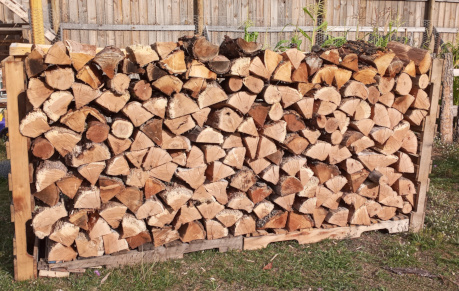
A face cord is a measurement commonly used in the sale and purchase of firewood. It is defined as a stack of wood that measures 4 feet high by 8 feet long, with the depth of the stack determined by the length of the pieces of wood. Typically, firewood is sold in standard lengths of 16 inches, meaning that a face cord consists of the visual face or front of the stacked wood. While it provides an excellent visual gauge for volume, it is important to understand that the actual volume of wood will depend on the length of the logs used.
Comparison with Other Measurements
It is essential to distinguish a face cord from its counterparts. The most common measurement is the full cord, which measures 128 cubic feet when stacked. A full cord typically consists of a stack that is 4 feet high, 4 feet wide, and 8 feet long. In contrast, a face cord contains the same height and length but only measures as deep as the logs are cut. Thus, if your logs are 16 inches long, a face cord will have approximately 1/3 of the volume of a full cord. This distinction can lead to confusion, especially for those who are new to buying firewood.
Moreover, there is a rick, which varies regionally and may refer to a stack of wood measuring 4 feet high by some unspecified width and depth. Therefore, it is crucial to clarify measurements with a vendor to avoid misunderstandings.
Types of Wood Available
When purchasing a face cord, one must consider the type of wood being sold, as different wood species offer varying burning characteristics. Here’s a closer look at the common types of wood available in firewood sales:
- Softwoods: Softwoods such as pine, fir, and spruce tend to ignite quickly and burn hot. They are ideal for kindling and early flames but burn faster than hardwoods. Consequently, they may not provide as long-lasting heat. Softwoods are often recommended for those who need quick, initial heat.
- Hardwoods: Species like oak, maple, and hickory are classified as hardwoods and are sought after for their density and longevity. They burn slower and produce more heat, making them excellent choices for all-night fires. Hardwoods also tend to leave behind a minimal amount of ash and contribute to a pleasant, smoky aroma.
- Mixed Woods: Many suppliers offer mixed wood options, combining both softwood and hardwood. This option often provides both quick heat and sustaining warmth but may not be ideal if one prefers the characteristics of either category exclusively.
Understanding Seasoning
The seasoning of wood is another essential factor to consider when purchasing a face cord. Seasoning refers to the process of drying out freshly cut wood to reduce its moisture content. Properly seasoned wood burns hotter and cleaner, producing less smoke and creosote buildup in your chimney. For optimal performance, wood should be seasoned for at least six months to a year, depending on wood type and regional humidity levels. When available, opt for seasoned wood to ensure efficiency and reduced environmental impact.
Calculating Wood Needs
Before purchasing a face cord, it is prudent to assess your heating requirements. Calculate your home’s firewood needs based on the size of your fireplace or stove and the length of time you plan to burn wood. A typical home may consume between one to three cords of wood per winter, depending on heating preferences and fireplace efficiency. Using a face cord provides flexibility, allowing you to experiment with different types or mixes of wood without committing to a full cord upfront.
Storage Tips
Proper storage of your face cord is vital for maintaining wood condition. Here are some tips for optimal wood storage:
- Location: Store firewood in a dry, ventilated area that is out of direct contact with the ground. This reduces moisture absorption and prevents pest infestations.
- Stacking: Stack wood in a crisscross pattern or in a wood rack to promote airflow around the pieces. This can further aid in moisture reduction.
- Covering: While the sides of your stack should remain open to airflow, it’s advisable to cover the top with a tarp or plastic sheet, especially during inclement weather.
Conclusion
Understanding what constitutes a face cord of wood, how it compares to other measurements, and the variety of wood types available can enhance your fireplace experience and ensure optimal warmth during cold months. Whether you opt for hardwoods that smolder throughout the night or softwoods that ignite with fervor, the careful selection, seasoning, and storage will make a significant difference in your firewood’s effectiveness. As the temperature drops and blankets of snow envelop the ground, a well-stocked supply of firewood, particularly a face cord, will keep your home warm and inviting, infusing your space with both comfort and a sense of cozy ambiance.











Leave a Comment