What if the fate of the multiverse rested in the hands of a seemingly ordinary woman? This playful question underpins the narrative complexity of “Everything Everywhere All At Once,” a film that dazzles with its inventive storytelling and imaginative world-building. This cinematic gem employs the Three Act Structure, seamlessly unraveling a tale that intertwines existential themes with frenetic humor and whimsical absurdity. Let’s delve into the intricacies of this structure, examining how each act interplays to create a poignant and thought-provoking experience.
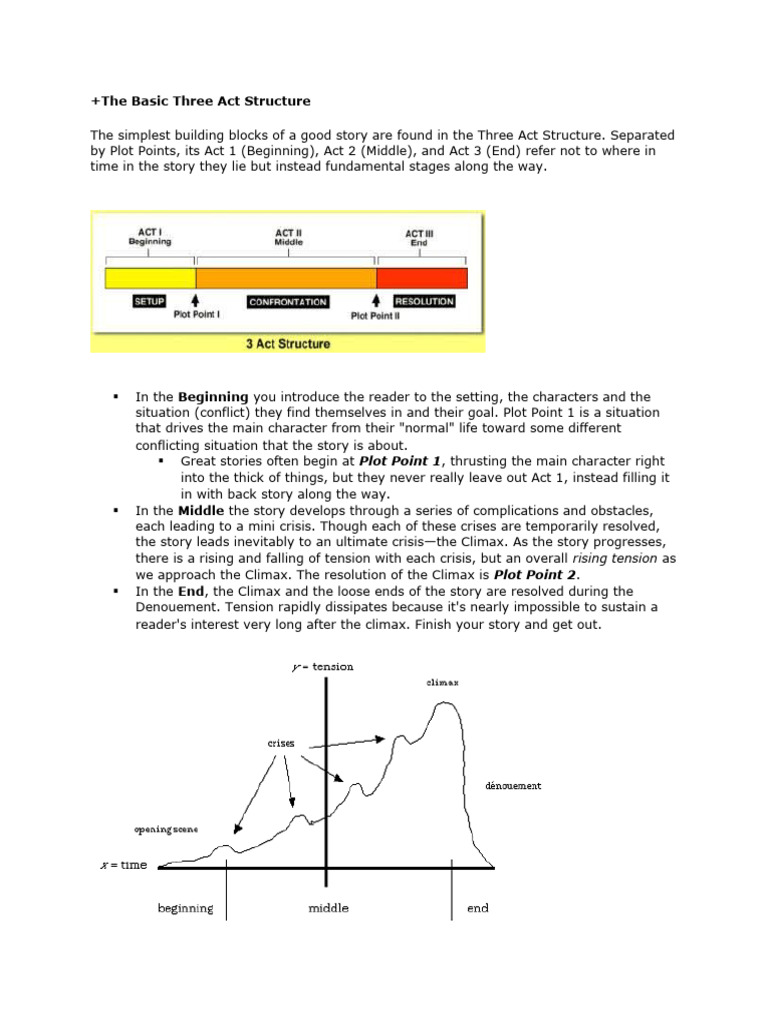
Act One: The Setup
The first act establishes the groundwork for the chaotic journey that is about to unfold. We are introduced to Evelyn Wang, an overwhelmed laundromat owner grappling with the mundane challenges of daily life—a struggling business, a fractured marriage, and a daughter burdened by familial expectations. The initial scene sets a tone steeped in realism, with Evelyn’s world spinning hopelessly in a cycle of monotony and frustration.
This act deftly introduces the principal characters and their relationships. As the incongruity of Evelyn’s life becomes apparent, listeners are drawn into her plight, evoking an empathetic response. The dreariness of her existence serves as a stark contrast to the film’s subsequent escapades across various dimensions. Herein lies a pivotal challenge: the audience becomes acutely aware that Evelyn’s lack of fulfillment reflects a universal dilemma—the search for purpose.
Moreover, the inciting incident precipitates a seismic shift in the narrative. Evelyn is confronted by an alternate version of herself, thrusting her into a multiverse teeming with potential and peril. This moment serves as an electrifying catalyst, compelling her to reevaluate her existence and explore the depths of her potential across innumerable realities. As the act concludes, the stage is set for a whirlwind exploration of identity and choices, amplifying the stakes and igniting curiosity regarding how these threads will intertwine throughout the unfolding story.
Act Two: The Confrontation
The second act propels the viewer into a dizzying array of alternate realities where possibilities abound. Here, Evelyn is tasked with confronting both internal and external struggles, as she harmonizes her newfound abilities while facing antagonistic elements. Encounters with alternate versions of herself, along with enigmatic characters like Jobu Tupaki, embody existential crises that snowball into a multifaceted conflict.
This act showcases a central theme: the notion of choice and its ramifications. As Evelyn navigates the multiverse, she grapples with myriad versions of her life, each highlighting unique paths not taken. These alternate realities become a lens through which she examines her relationships with her husband, Waymond, and her daughter, Joy. The disruptively comedic and absurd encounters serve to illustrate the enormity of regret and hope, enabling deep reflections on what it means to embrace one’s authentic self.
However, amidst the fantastical escapades, the film elegantly interweaves weighty philosophical questions. Are we defined by our choices, or do the choices define us? This question presents a significant challenge to both Evelyn and the audience, inviting self-reflection on personal aspirations and desires. As the climax nears, the mounting tension intertwines with humor and heart, skillfully balancing the chaos of the multiverse with the intimate struggles of family dynamics.
As Act Two culminates, Evelyn’s awakening embodies a quintessential human experience—the chaotic convergence of potential and self-realization. The stakes are insurmountable, propelling the narrative toward its explosive climax, which promises catharsis but also forces Evelyn to confront the abyss of despair projected by Jobu Tupaki.
Act Three: The Resolution
The final act brings a satisfying synthesis of resolution and insight, as Evelyn faces the ultimate confrontation with herself and the chaos threatening the multiverse. This act is replete with revelations, as perspectives shift, illuminating the intricate tapestry of interconnectedness that runs through every life choice.
At the climax, Evelyn wrestles with the dichotomy of power and vulnerability. Jobu Tupaki, a manifestation of existential nihilism, represents the overwhelming burden of infinite possibilities that threaten to consume her. The struggle reaches a crescendo, accompanied by surreal visuals and frenetic pacing, culminating in a moment that radiates both poignancy and humor.
The resolution offers an embrace of acceptance and love, as Evelyn learns that amidst life’s contradictions, connection remains paramount. This echoes the film’s underlying message: even chaos can yield beauty. By choosing empathy, she redefines her purpose and relationships, providing an uplifting resolution that resonates with the viewers’ own journeys.
Ultimately, “Everything Everywhere All At Once” masterfully employs the Three Act Structure to explore fundamental questions about existence, identity, and relational dynamics. The vivid storytelling invites the audience to navigate a labyrinth of choices while prompting them to reflect on their own lives. As the credits roll, viewers are left with a lingering sense of wonder, an appreciation for the myriad possibilities surrounding them, and a reminder that even in the whirlwind of chaos, there is always room for connection and growth.











Leave a Comment