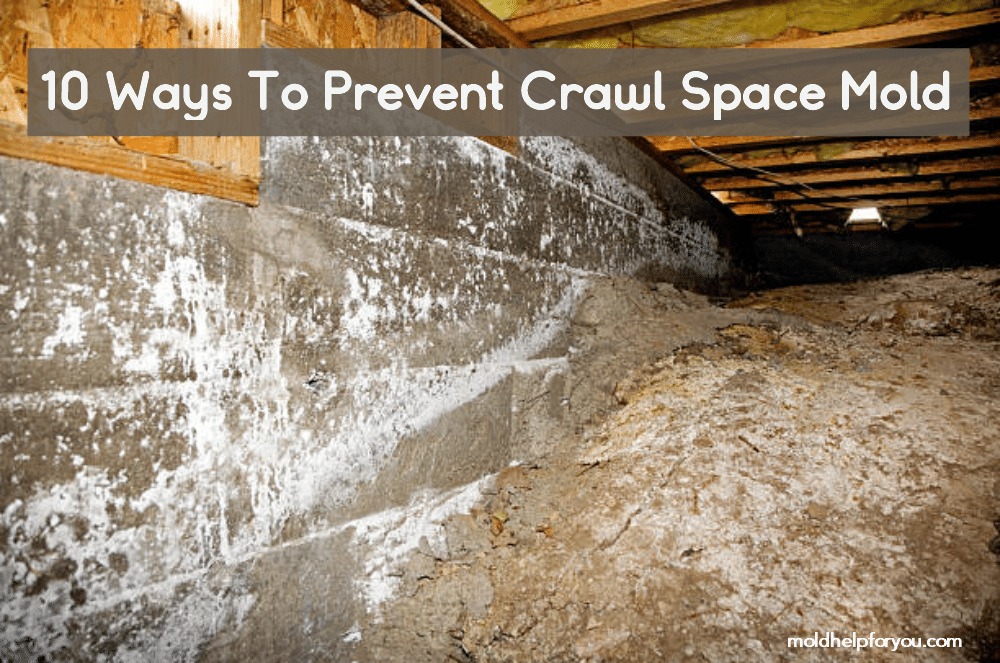
When you contemplate the often-overlooked spaces beneath our homes, a dormant world teems with both intrigue and concern. The crawl space, that narrow hallway of obscurity, can become a breeding ground for mold, lurking insidiously in the shadows. What begins as a simple issue of dampness can rapidly escalate into a complex conundrum fraught with implications for health, home integrity, and overall comfort. In this comprehensive exploration, we unveil the multifaceted nature of mold in crawl spaces, addressing its causes, effects, and preventive measures.
1. Understanding Mold: The Threat Below
Mold is not merely a nuisance; it is a formidable adversary. Ancient organisms, mold thrives in humid environments and can proliferate rapidly with the right conditions. They reproduce through spores, which, when inhaled, have the potential to jeopardize respiratory health. While the idea of mold elicits immediate repulsion, it serves an essential purpose in nature, aiding in the decomposition of organic matter. Yet, when it inhabits your crawl space, it transforms from ecological ally to harmful intruder.
2. The Science Behind Mold Growth
To grasp the pervasive nature of mold, one must understand the trifecta of factors that catalyze its growth: moisture, food, and the right temperature. Crawl spaces often provide an ideal microclimate. Even a singular leak from plumbing or poor drainage can introduce excess moisture. Combine this with organic materials such as wood, paper, and fabric that frequently accumulate in these spaces, and you have a banquet laid out for mold spores yearning to flourish. Additionally, a temperature range of 60 to 80 degrees Fahrenheit is commonly conducive to their proliferation.
3. Identifying Signs of Mold Infestation
Identifying mold in the crawl space requires vigilance and an analytical approach. Typical indicators include:
- Visual Evidence: Dark spots or discoloration on walls, wooden beams, and ductwork are telltale signs. Mold may present in shades of green, black, white, or even orange.
- Musty Odors: A prevalent musty or damp smell often permeates the air, serving as an olfactory clue to the underlying problem.
- Allergic Reactions: Unexplained respiratory issues, skin irritations, or exacerbated asthma symptoms in inhabitants may hint at mold exposure.
4. The Consequences of Mold Invasion
The ramifications of mold growth in crawl spaces extend far beyond aesthetic disarray. The fungi can infiltrate structural components, leading to wood rot and significant damage over time. This deterioration compromises the structural integrity of your home, potentially resulting in costly repairs. Furthermore, the presence of mold poses serious health risks, particularly for sensitive populations such as young children, the elderly, and those with pre-existing health conditions. Prolonged exposure can lead to chronic respiratory issues, neurological symptoms, and heightened allergy sensitivity.
5. The Underlying Causes of Moisture Accumulation
Understanding the root causes of moisture accumulation in crawl spaces is essential in confronting this menace. Factors contributing to high humidity or damp conditions include:
- Poor Ventilation: Insufficient airflow can trap moisture, creating a stagnant environment ripe for mold growth.
- Foundation Cracks: Any fissures in the foundation allow water infiltration, particularly during periods of rainfall or melting snow.
- Poor Ground Drainage: Improperly graded yards lead to water pooling around the home’s foundation, exacerbating humidity levels.
- Leaky Pipes: Undetected plumbing leaks present a constant source of moisture that fuels mold growth.
6. Preventative Measures: Keeping Mold at Bay
Prevention is undeniably better than remediation. To effectively nip mold problems in the bud, consider the following strategies:
- Improve Ventilation: Ensure that your crawl space possesses adequate airflow. Incorporate vents or mechanical ventilation systems to facilitate air circulation.
- Install a Vapor Barrier: Laying down a heavy-duty polyethylene sheet can help impede moisture from the ground, creating a drier environment.
- Regular Inspections: Engage in routine inspections to detect and address any signs of moisture or mold early. Vigilance can mean the difference between a minor inconvenience and a major overhaul.
- Manage Humidity Levels: Use dehumidifiers or exhaust fans to maintain humidity levels below 60%. Consider installing a sump pump to handle any water accumulation.
7. Remediation: Addressing Existing Mold Issues
If mold has already taken hold, timely action is critical. For small areas, household cleaning solutions containing bleach or hydrogen peroxide can be effective. However, for extensive infestations, it may be prudent to consult a professional mold remediation service. They possess specialized knowledge and equipment not only to eradicate the mold effectively but also to identify and mitigate the factors prompting its resurgence.
In retrospect, mold in crawl spaces serves as a poignant reminder of the delicate balance between nature and our constructed environments. By understanding the conditions that foster mold growth and implementing rigorous preventative measures, one can safeguard their home and health from the insidious effects of this ancient adversary. With vigilance, education, and proactive strategies, homeowners can convert their crawl spaces from damp dungeons to dry, safe sanctuaries, ensuring resilience against mold and its detrimental effects.







Leave a Comment