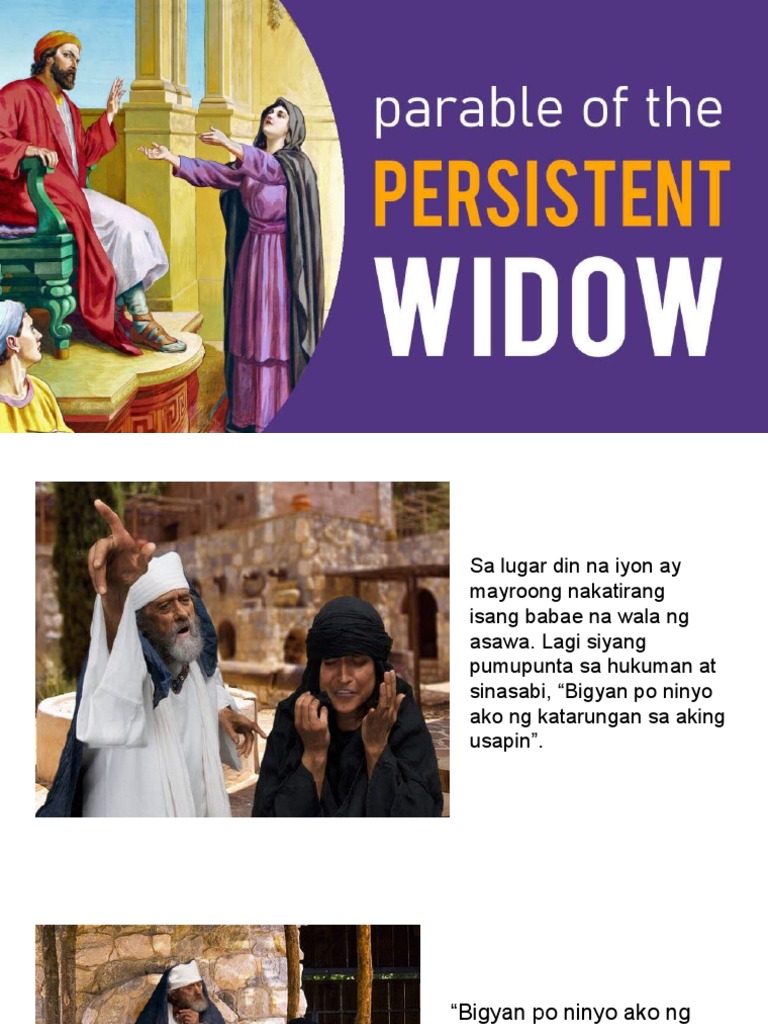
Persistent Widow: A Translation Punch in the Eye
The term “Persistent Widow” evokes vivid imagery and conjures an array of emotions, positioning it as a remarkable metaphorical phrase that resonates deeply with human experience. At its core, this phrase carries a multifaceted message—one that speaks of resilience, loss, and the undying spirit of those navigating life’s turbulent waters. To unearth the layers embedded in this metaphoric expression, we will contemplate its origin, significance, and the striking visuals it presents, while also exploring its unique appeal across various contexts.
Unveiling the Metaphor
The allure of the “Persistent Widow” lies in the dichotomy of her existence: she embodies both grief and tenacity. Much like a shadowy specter consigned to roam an endless landscape of memories, the widow symbolizes the individuals left grappling with the haunting remnants of loss. Yet, the term “persistent” injects a powerful affirmation into her narrative. It suggests that even in sorrow, there exists an underlying strength—an unyielding determination to forge ahead amidst the chaos of bereavement. This interplay between fragility and fortitude encapsulates the intricacies of the human condition.
Delving deeper, we may view the “Persistent Widow” as a tapestry woven from the threads of various life experiences. Each thread, ranging from sorrow to resilience, contributes to a rich narrative. Her story transcends the mere act of mourning; it reflects the tenacity required to sustain oneself in an unforgiving world. With each passing day, she continues to fight against the oppressiveness of despair, redefining her existence while simultaneously honoring her past.
The Punch in the Eye: Imbued Symbolism
When we consider the phrase “Punch in the Eye,” we are confronted with visceral imagery—a striking representation of harsh realities and jarring truths. This particular metaphor encapsulates the astonishment and shock that often accompany significant life changes, especially unanticipated loss. The “punch” evokes a sudden, aggressive confrontation with raw emotions, compelling the audience to acknowledge the severity of the widow’s plight and, by extension, the collective experiences of those facing profound sorrow.
Furthermore, this imagery compels one to reflect on the impact of grief, which often strikes with an unexpected force, much like a blow that jars individuals into a renewed awareness of their circumstances. The “punch in the eye” conveys the bewilderment that follows such life-altering events, emphasizing the necessity of confronting one’s emotions rather than merely skirting around them. In this tumultuous encounter lies the seed of recovery; the eye, a symbol of both perception and vulnerability, alludes to the potential for vision beyond pain.
The Unique Appeal: Universality and Specificity
One of the most distinctive aspects of the “Persistent Widow” metaphor is its remarkable capacity to resonate with a vast audience. The universal experience of loss bridges differences in backgrounds and cultures, allowing individuals to relate to the themes of resilience and grief embedded within the phrase. From literature to visual arts and even popular culture, the archetype of the widow serves as a poignant reminder of the transformative power of sorrow and the strength that arises in the aftermath.
However, this metaphor maintains a duality; it exists in the specificity of personal tragedy. Each widow carries her unique burdens and memories, subverting the notion that loss is a one-size-fits-all experience. As such, the “Persistent Widow” embodies both shared humanity and individual narratives. This duality enriches the metaphor, as it encompasses multi-dimensional tales that echo from the shadows of history to contemporary society.
Reflections in Contemporary Culture
The metaphor of the “Persistent Widow” finds new life in various mediums—literature, film, and even social commentary. It serves as a catalyst for conversation, prompting explorations of themes like mental health, identity, and societal expectations of mourning. Writers may depict the widow navigating societal pressures that dictate how grief should appear or take shape, often emphasizing the perpetually evolving nature of healing. This literary lens allows readers to understand the journey of grief as nonlinear and fraught with complexities.
In film, the portrayal of women in mourning often ventures beyond the clichés of helplessness, portraying them as dynamic characters who cultivate agency even amidst sorrow. Such narratives contribute to a broader cultural dialogue about the resilience of the human spirit, emphasizing that while grief may cloud vision, it does not annihilate potential. This thematic exploration reinforces the appeal of the “Persistent Widow” while inspiring others to confront their own struggles with bravery and honesty.
Conclusion: Embracing the Complexity
The “Persistent Widow” serves as a rich metaphor, entwining elements of strength, vulnerability, and the indomitable nature of the human experience. Through its striking imagery of a “punch in the eye,” we are reminded that confronting grief demands resilience and introspection. This multifaceted expression captures the essence of loss while simultaneously illuminating the paths of recovery, urging individuals to embrace their unique journeys through the tempest of sorrow. Ultimately, the profound appeal of the “Persistent Widow” lies in its ability to inspire conversations, cultivate understanding, and foster connections across the fabric of humanity, urging us all to reflect upon our narratives with courage and compassion.









Leave a Comment