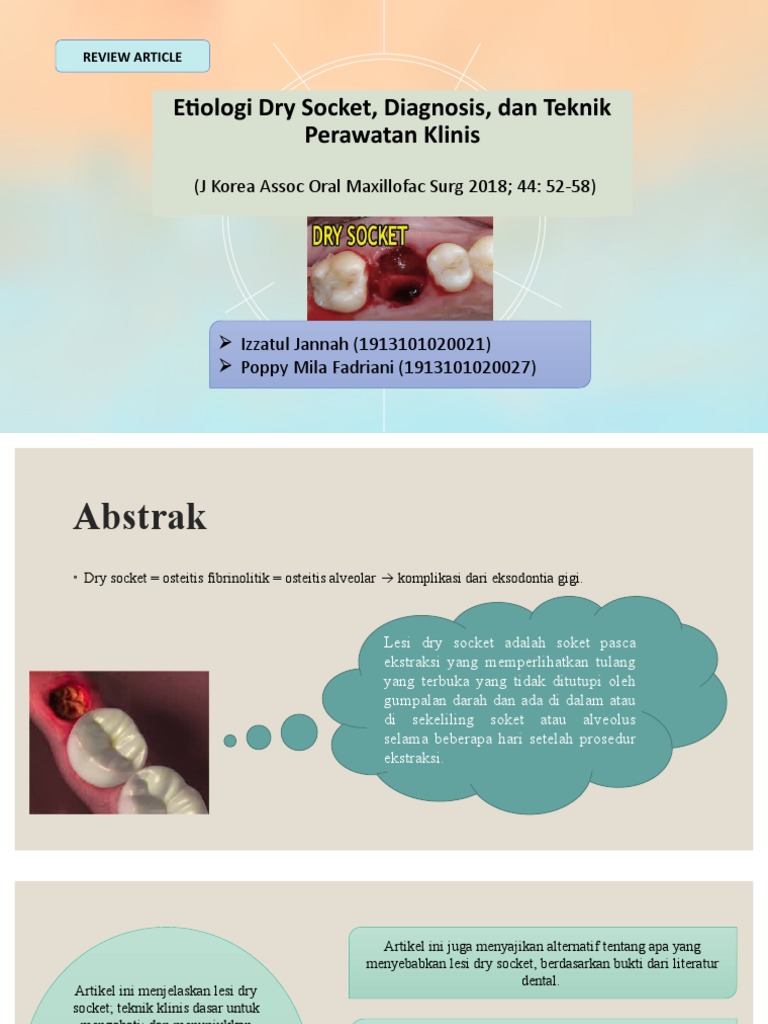
Between the clouds of anticipation and the dawn of post-surgical recovery lies a treacherous terrain known as dry socket. This painful condition often lurks beneath the surface following a tooth extraction, particularly the extraction of wisdom teeth. Imagine a once-enchanting garden of healing, suddenly shrouded in darkness. Understanding how to navigate this perilous path is essential for those embarking on the journey of oral recovery. Herein lies a compendium of strategies designed to empower you against the dread of dry socket, ensuring your healing process blossoms rather than withers.
1. Embrace Post-Operative Instructions
Post-operative care is paramount, serving as the compass that guides one through the murky waters of recovery. Comprehend the particulars of your dentist’s instructions. These directives are not mere suggestions; they are a well-constructed map designed to steer you clear of pitfalls. Adhere diligently to guidelines regarding food consumption, oral hygiene, and activity restrictions to enhance your recovery experience.
2. The Importance of Blood Clot Formation
The formation of a blood clot within the empty socket is akin to the crucial layer of defense in a castle. This defendable structure protects the exposed bone and nerves from foreign invaders. Therefore, it is imperative to allow this clot to develop undisturbed. Refrain from sucking movements, such as using straws or aggressive spitting, which can inadvertently dislodge this delicate shield. Your newfound saliva should be savored as it aids in nurturing this vital shield.
3. Swathing the Socket
Post-extraction, your socket becomes a blank canvas, eagerly awaiting the brush of healing. To aid this process, consider employing a gentle touch while swelling down the brush of food particles. Soft foods, akin to clouds caressing the earth, are to be embraced. Mashed potatoes, yogurt, and smoothies should become your companions in recovery, ensuring nutrition without agitation. The more you can shield the area from disturbance, the smoother the healing will unfold.
4. Hydration is Key
Picture hydration as the life-giving rain for your garden of recovery. Adequate fluid intake increases the likelihood of thriving tissue replenishment. Opt for clear fluids in the initial days, allowing your body to revive its essential resources. Gently sip, avoiding straws; the action of the straw may act like a voracious windstorm, displacing the protective clot. Consider herbal teas or warm broths which can infuse your system with nutrients while bestowing comfort.
5. Medications and Pain Management
A violinist needs a finely-tuned instrument, just as a patient requires appropriate medication for pain management. Over-the-counter pain relievers can become your loyal companions in the face of discomfort, allowing respite as your body undergoes healing. Adhere to dosage instructions as adhering to a musical score ensures harmonious recovery. Consult your oral healthcare provider for advice about specific medications that will best suit your situation without adverse effects.
6. The Role of Ice Packs
Imagine ice packs as sentinels stationed at the gates of your oral recovery fortress. Their numbing presence can diminish inflammation and discomfort. Apply ice packs intermittently—about 20 minutes on and 20 minutes off—during the first day post-surgery. This soothing balm creates a cocoon of tranquility that wraps around your face, offering relief from the early ardeous phase of healing.
7. Avoiding Tobacco and Alcohol
Tobacco and alcohol are akin to marauding bandits in the kingdom of recovery. Their presence threatens the integrity of the healing process, increasing the risk of complications like dry socket. If your lifestyle is interwoven with these habits, consider this moment a defining crossroads—one that requires a commitment to self-care. Extinguish the cigarettes and forgo the drinks temporarily, reinforcing your stronger bond with healing.
8. Keep Follow-Up Appointments
Imagine your dentist as a lighthouse guiding your ship through stormy seas. Follow-up appointments are pivotal to ensuring that your vessel sails smoothly toward recovery. During these visits, your dentist will assess the healing process, address any potential concerns, and provide reassurance that your journey is on course. Don’t shy away from asking questions; knowledge is power.
9. Monitor for Symptoms
The key to thwarting the menacing onset of dry socket is vigilance. As recovery unfolds, remain attentive to any unusual shifts in your condition. Symptoms such as intensified pain, an unpleasant taste, or exposed bone can signal that trouble is brewing. If you feel such ominous signs, seeking immediate intervention is akin to sounding the alarm, securing help before the darkness envelops your garden.
10. Allow Time for Healing
Finally, patience is the soil from which healing flowers blossom. Every recovery journey is unique, and timelines can vary widely. Resist the impulsive urge to rush back into your routine; allow your body the grace of time. Just as a caterpillar transforms into a butterfly, you, too, will emerge from this period stronger and revitalized.
In conclusion, avoiding the bane of dry socket requires a confluence of careful strategies, attention, and patience. Through the tapestry of adherence to post-operative care, nurturing your body with hydration, avoiding unfavorable habits, and maintaining communication with your oral healthcare provider, you can navigate the labyrinth of recovery. Allow your post-extraction experience to be reminiscent of ancestral tales of resilience, blossoming into an era of renewed vitality, free from the specter of dry socket.









Leave a Comment