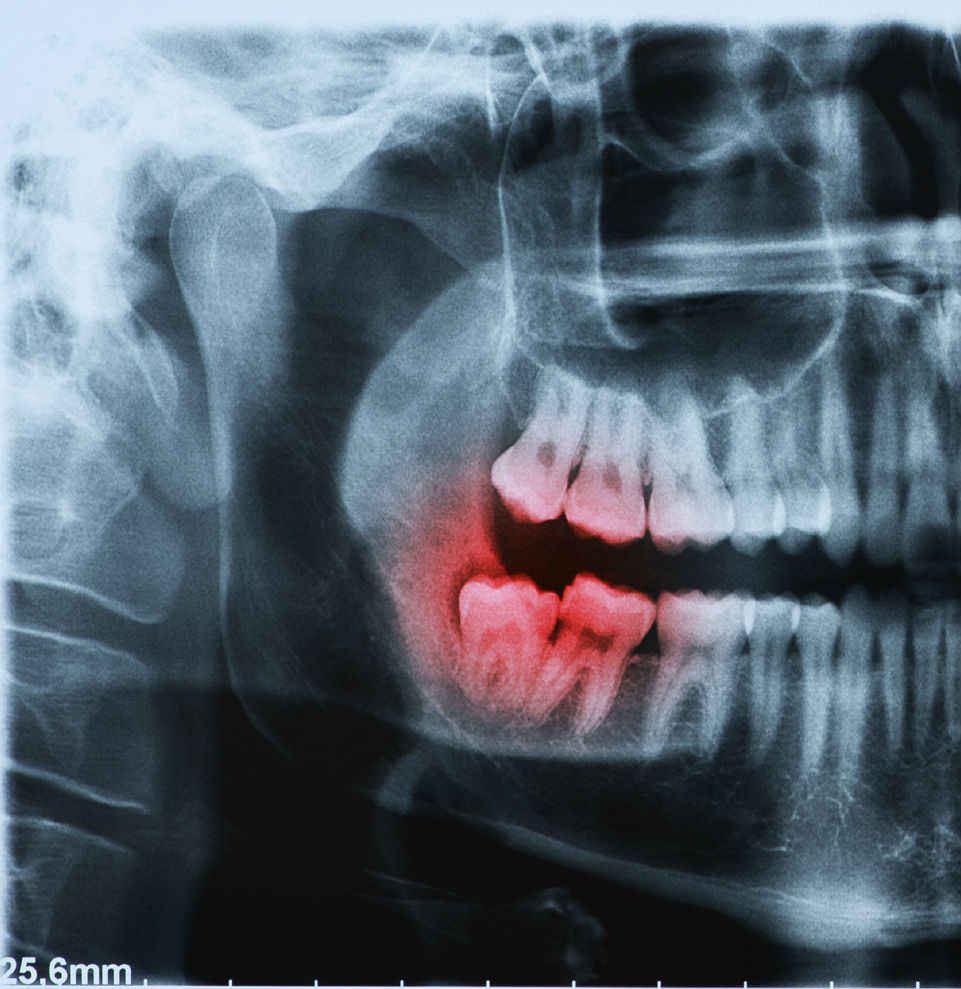
Wisdom teeth removal is a common dental procedure, often resulting in concerns about recovery. One of the more unpleasant complications associated with this surgery is known as dry socket. Understanding dry socket, its causes, symptoms, and treatment options can aid individuals in navigating through the post-operative landscape more comfortably. This article delves into various aspects of dry socket related to wisdom teeth, offering a comprehensive overview aimed at educating readers.
What Is Dry Socket?
Dry socket, clinically termed alveolar osteitis, occurs when the blood clot at the site of a tooth extraction either fails to form or becomes dislodged. This clot is critical for protecting the underlying bone and nerve endings. Without it, patients may experience severe pain and delayed healing. Dry socket is particularly prevalent in wisdom teeth removals due to the proximity of the extraction site to key anatomical structures.
Understanding the Causes
The development of dry socket can be attributed to several factors:
- Dislodgment of Blood Clot: Engaging in vigorous physical activity too soon after surgery can disturb the blood clot.
- Tobacco Use: Smoking or chewing tobacco can inhibit healing and increase the risk of dry socket due to reduced blood flow.
- Infections: An infection at the extraction site can compromise the integrity of the blood clot and lead to bone exposure.
- Medical History: A patient’s overall health, including hormonal changes or certain medications, can be a contributing factor.
Recognizing Symptoms
Identifying dry socket is paramount for timely intervention. Symptoms often emerge a few days post-extraction and may include:
- Intense Pain: A throbbing or radiating pain emanating from the extraction site, often described as unbearable.
- Odor and Taste: An unpleasant taste in the mouth and foul odor are indicative of potential infection.
- Visible Bone: Exposed bone may be visible at the extraction site, highlighting the absence of a blood clot.
- Swelling and Tenderness: Increased swelling and sensitivity in the surrounding gum tissue can also occur.
Prevention Strategies
While dry socket can be a distressing experience, several proactive measures can reduce its likelihood:
- Follow Post-Operative Instructions: Adhering to your dentist’s or oral surgeon’s guidelines post-extraction is essential. Avoid activities that can disrupt the surgical site.
- Avoid Smoking: Refraining from tobacco use for at least 48 hours post-extraction can significantly lower the risk of complications.
- Gentle Oral Hygiene: Maintaining oral hygiene is important, but one must be cautious around the extraction site. Use saltwater rinses to ensure cleanliness without disturbing the clot.
- Hydration and Nutrition: Staying hydrated and consuming soft foods helps facilitate the healing process.
Treatment Options
If dry socket occurs, seeking prompt treatment is vital to alleviate discomfort. Some common treatment modalities include:
- Pain Management: Over-the-counter pain relievers may offer initial relief, but stronger prescription options might be necessary for severe discomfort.
- Medicated Dressings: The dentist may place a medicated dressing over the extraction site to protect the area and reduce pain.
- Antibiotics: In some cases, antibiotics might be prescribed to manage any potential infection and promote healing.
When to Seek Professional Help
Understanding when to contact a dental professional is crucial in the event of experiencing symptoms associated with dry socket. Immediate consultation is advisable if:
- You encounter severe pain that persists or worsens beyond the initial recovery period.
- There are signs of infection, such as fever or increased swelling.
- Unpleasant taste or rancid odor develops in the mouth.
Potential Long-Term Effects
While dry socket is manageable, neglecting symptoms can result in further complications. Persistent pain or infection may lead to systemic issues that complicate oral health. Additionally, the emotional toll associated with ongoing discomfort can have negative repercussions on mental well-being.
Conclusion
Dry socket is a complication that can arise following wisdom teeth extraction, characterized by eminent pain and delayed healing. Recognizing its symptoms, understanding potential causes, and adhering to preventive measures are paramount in mitigating risks. By fostering awareness of treatment options and maintaining open communication with dental professionals, individuals can navigate the complexities of post-operative recovery with greater peace of mind. Knowing how to effectively manage and address dry socket can lead to a smoother recovery experience, ultimately reinforcing the importance of dental health and self-care.











Leave a Comment