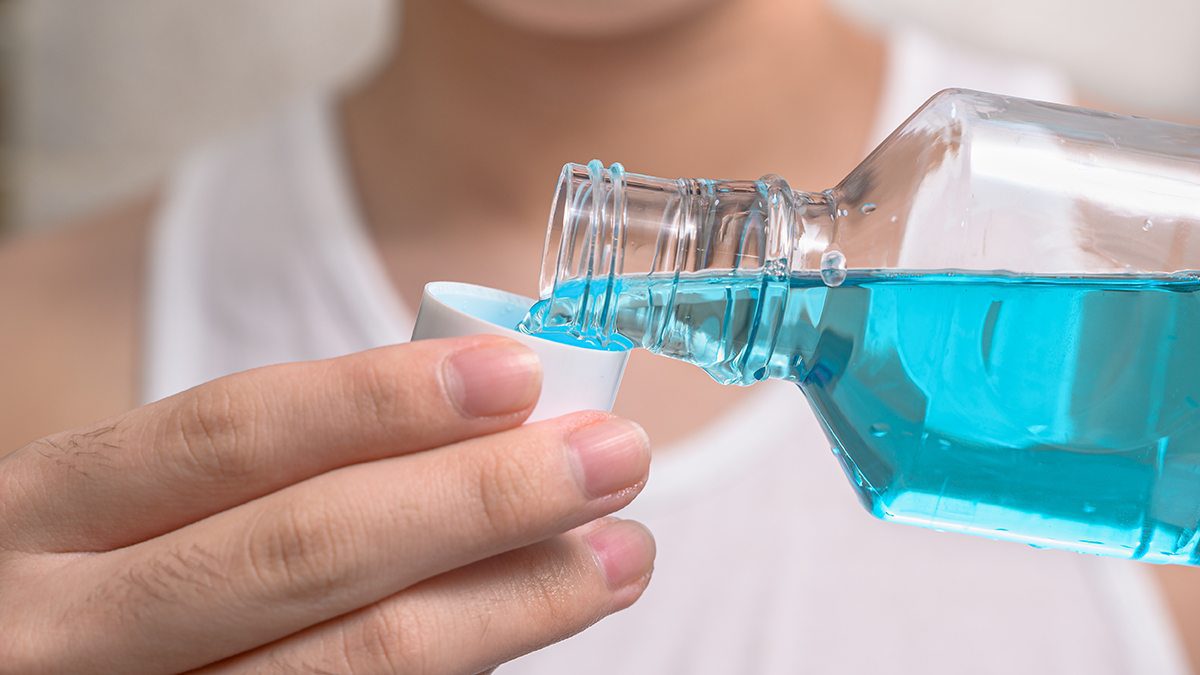
In the world of dental hygiene, the debate over the correct order of operations—specifically, whether to use mouthwash before or after brushing—has been a topic of intrigue among health enthusiasts and dental professionals alike. This seemingly simple choice carries implications that can influence one’s oral health routine and overall significance. The answer, while seemingly straightforward, invites a deeper exploration into the mechanics of mouthwash and its connection with toothpaste, oral bacteria, and the overarching pursuit of a radiant smile.
1. Understanding the Purpose of Mouthwash
Mouthwash is not merely a minty refreshment; it serves several functions. Primarily, it can help reduce oral bacteria, strengthen tooth enamel, and provide a barrier against plaque formation. Some mouthwashes are antiseptic, aiming to eliminate harmful microorganisms, while others contain fluoride to bolster the protective layers of enamel. Recognizing these functions sets the stage for deciding the optimal timing of mouthwash application.
2. The Role of Brushing
Brushing is fundamental to any dental hygiene regimen. It mechanically disrupts plaque and food particles from teeth, encouraging a clean surface. Toothbrush bristles effectively reach into the nooks and crannies that may be overlooked during regular rinsing. Moreover, toothpaste—often fortified with fluoride—fortifies enamel and combats tooth decay. The timing of mouthwash in conjunction with brushing can thus enhance or undermine these critical benefits.
3. Mouthwash Before Brushing: Pros and Cons
The notion of utilizing mouthwash prior to brushing may seem unconventional, yet it has its advocates. One argument in favor suggests that rinsing with mouthwash first can provide a preliminary cleanse of the mouth, allowing the toothbrush to work more effectively. This preemptive strike against bacteria may create a more favorable environment for brushing.
However, this approach comes with caveats. Rinsing with mouthwash too soon may wash away the protective benefits of fluoride in toothpaste. Additionally, some mouthwashes, especially those with alcohol, can dry out the mouth, potentially hampering the effectiveness of the subsequent brushing.
4. Mouthwash After Brushing: The Conventional Wisdom
Most dental professionals advocate for the use of mouthwash after brushing. This approach ensures that the fluoride from toothpaste remains on the teeth longer, fortifying enamel after it has been thoroughly cleaned. After brushing, the mouth is devoid of food particles and plaque, making the use of mouthwash a finishing touch that helps to eliminate residual bacteria and freshen breath.
Employing mouthwash post-brushing maximizes fluoride exposure. This process not only inhibits plaque regrowth but also helps in the remineralization of enamel, maintaining teeth strength. Furthermore, this conventional method aligns with recommendations from various dental associations, which emphasize the importance of fluoride in thwarting tooth decay.
5. The Impact of Mouthwash Ingredients
Not all mouthwashes are created equal. The composition of the mouthwash—such as whether it contains alcohol, fluoride, or natural ingredients—plays a pivotal role in determining its optimal usage timing. Alcohol-based mouthwashes may provide a brisk cleaning sensation but can also lead to dry mouth. On the other hand, fluoride-rich varieties can necessitate retention on the teeth for maximum efficacy, reinforcing the case for post-brushing application.
Additionally, natural mouthwashes, often composed of herbal extracts and essential oils, offer an alternative that appeals to those seeking chemical-free options. Understanding these ingredients can inform personal preferences and influence the timing of use.
6. Individual Needs and Preferences
Ultimately, the choice between mouthwash before or after brushing may come down to personal preference and specific dental needs. Individuals with particular oral health concerns—such as gum disease or dry mouth—may benefit from consulting a dentist regarding their unique requirements. Tailoring an oral hygiene routine can maximize effectiveness and ensure that both brushing and rinsing effectively complement one another.
7. The Psychological Aspect of Oral Hygiene
Interestingly, the ritualistic aspects of oral hygiene carry psychological benefits. The refreshing sensation provided by mouthwash, whether used beforehand or afterward, can psychologically reinforce the feeling of cleanliness. The ritual of using mouthwash may also serve as a motivational tool, prompting individuals to adhere to their hygiene practices more diligently.
8. Final Considerations
The discussion surrounding whether to use mouthwash before or after brushing is emblematic of a broader fascination with dental care. The varying opinions reflect a keen desire for optimum oral health, driven by personal experiences and the latest research in the field. Ultimately, the most effective approach encompasses a combination of informed choices regarding both mouthwash and brushing techniques—articulating a balanced strategy against the perennial threat of cavities and gum disease.
In summary, the question of mouthwash application may invite debates and preferences, but it underscores a critical aspect of personal health management. The integration of these practices can lead to a more comprehensive and satisfying oral care routine, illuminating the deeper significance behind the seemingly mundane rituals of daily life.







Leave a Comment