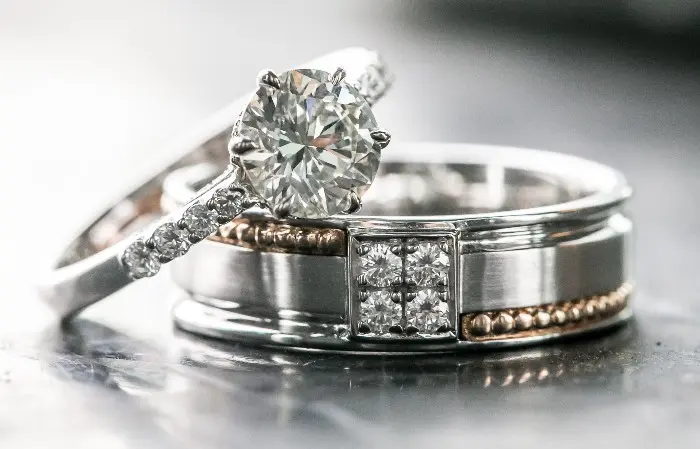
When it comes to personal adornments, rings often carry significant sentimental weight and importance. Whether it’s a shimmering engagement ring, a cherished family heirloom, or a trendsetting fashion piece, finding the perfect fit is paramount. So, how much does it cost to resize a ring? This seemingly simple question may mask underlying complexities, delightful surprises, and potential dilemmas. After all, resizing a ring entails more than merely adjusting its size—it invokes considerations of materials, craftsmanship, and even emotional investment. Let us explore this multifaceted topic with an inquisitive lens.
1. Understanding Ring Resizing
Before delving into costs, it’s essential to understand what ring resizing entails. Resizing refers to the process of altering a ring’s circumference to achieve a better fit on the finger. This can involve either increasing the size—by adding material or stretching the ring—or decreasing it, often achieved by removing a portion of the band. Each method contains its own intricacies, dictating both the technique employed and the potential expense incurred.
2. Pricing Overview
The cost of resizing a ring typically ranges from $20 to $100, depending on several factors. The complexity of the resizing process, the type of metal, the presence of gemstones, and the jeweler’s expertise all contribute to the final bill. Generally, simple bands will cost less to resize, while ornate designs with intricate settings might require additional labor and skill.
3. Metal Matters
The composition of the ring is a significant determinant of resizing costs. Platinum and gold, renowned for their unyielding properties, can require specialized techniques that drive up expenses. For instance, platinum’s density and malleability come with a heftier price tag compared to more flexible metals like silver or brass. Each type of metal necessitates unique tools and experience, directly influencing the price point.
4. Gemstone Considerations
Rings with embedded gemstones present further complexity. Resizing a ring adorned with diamonds or other precious stones often involves removing and re-setting these gems, a meticulous process that can elevate costs significantly. The risk of damaging stones during resizing necessitates experienced hands, underscoring the importance of selecting a reputable jeweler. Additionally, certain gemstones may be more challenging to work with, further complicating the pricing structure.
5. Jeweler’s Expertise
The jeweler’s proficiency is paramount in the world of resizing. An experienced artisan brings not only skill but also insights into the best techniques for achieving a flawless fit without compromising the ring’s integrity. Jewelers with established reputations may charge more for their services, yet this investment often pays dividends in quality and durability. Seeking customer reviews or recommendations can help discern the right craftsman for the job.
6. Regional Variations
Cost variations can also arise based on geographic location. Urban centers, where rent and overhead costs soar, may demand higher fees than rural areas. Furthermore, regional market trends can affect price ranges—jewelers in cities known for luxury jewelry may charge premium rates compared to those in less affluent areas. Understanding local market conditions can provide insights into what one might expect when budget planning for resizing.
7. Additional Costs to Consider
Beyond the basic resizing fee, there are ancillary costs that may arise. If a ring requires an intricate redesign, or if there are additional enhancements desired—like polishing or refurbishing scratched metal—these services can increase the overall cost. It’s advisable to communicate openly with the jeweler to understand all potential charges before proceeding.
8. DIY Vs. Professional Resizing
With the advent of online tutorials and DIY kits, one might ponder: is it feasible to resize a ring at home? While tempting, this approach can lead to disastrous results. If too much metal is removed or if the resizing isn’t uniform, the piece may become un-wearable. Therefore, while the DIY charm is alluring, professional resizing is often the safest and most effective avenue. The value of expertise and precision cannot be overstated.
9. Timing and Financial Planning
Considering sizing prior to significant events, like engagements or anniversaries, is crucial. Rushing the resizing process can lead to inconvenience or shoddy workmanship. Allowing ample time for adjustments not only ensures a perfect fit but can also provide breathing space for budgeting. One must factor in additional costs for unexpected complexities that may arise during the resizing journey.
10. The Emotional Investment
Finally, resizing a ring can also elicit profound emotions. It’s not merely about the ring’s physical appearance but rather the symbolism it carries. This connection can sometimes overshadow financial concerns, emphasizing the importance of preserving the ring’s value through expert resizing. Choosing a trusted jeweler who respects this emotional bond can enhance the overall experience, blending craftsmanship with sentiment.
In conclusion, while the estimated cost of resizing a ring hovers between $20 and $100, myriad factors—metal type, gemstone presence, and jeweler expertise—play pivotal roles in determining the final price. As one navigates the process, it’s essential to maintain an awareness of both budget and emotional implications. Elegance aside, always remember that the right fit is a blend of precision, artistry, and a sprinkle of heartfelt sentiment. Seeking professional guidance ensures that your cherished piece retains its brilliance while continuing to tell your unique story.











Leave a Comment