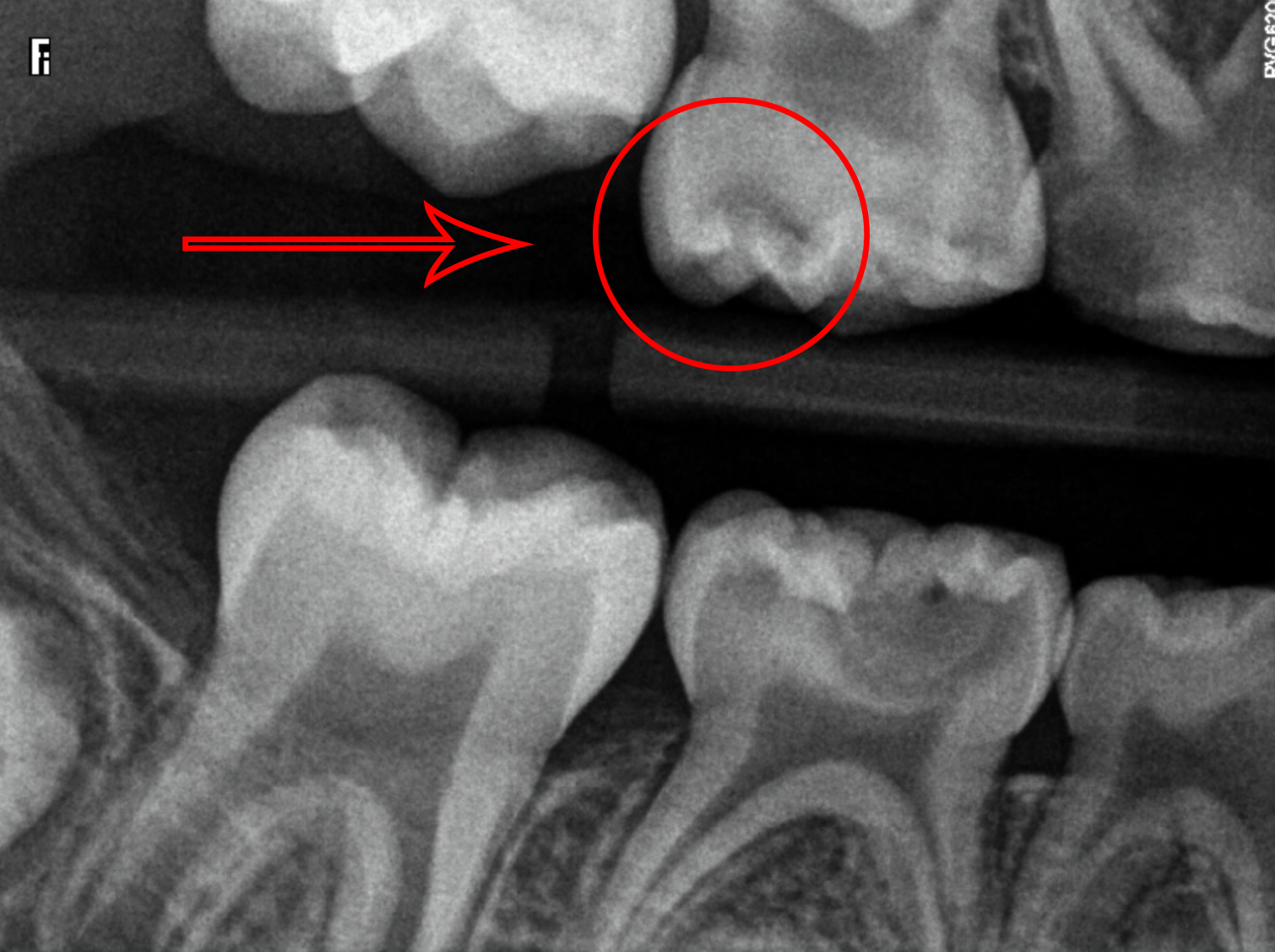
Many individuals experience dental concerns throughout their lives, and one common issue that often arises is the appearance of black spots on teeth. These unsightly marks can cause a great deal of alarm and prompt a flurry of questions regarding their origins, implications, and solutions. This article delves into the multifaceted nature of black spots on teeth, exploring their types, causes, potential treatments, and preventative measures to maintain optimal oral health.
Understanding Black Spots on Teeth
Black spots on teeth may manifest in various forms and can be indicative of different underlying issues. While some may present as superficial stains, others may signify more severe dental conditions. It is imperative to discern the nature of these dark spots, as treatment approaches can vary significantly.
Types of Black Spots
The first step in comprehension lies in categorizing the different types of black spots that may appear on a tooth’s surface:
- Extrinsic Stains: These are typically the result of external agents, such as food and beverages. Substances like coffee, tea, and red wine can penetrate the enamel and leave behind noticeable stains. Tobacco use is another pervasive cause of extrinsic discoloration.
- Intrinsic Stains: Intrinsic stains, conversely, originate from within the tooth itself. Dentin, the layer beneath the enamel, can become discolored due to factors like certain medications, genetics, or developmental disorders.
- Cavity-Related Darkening: Black spots can indicate the presence of dental caries, more commonly known as cavities. When bacteria invade the tooth enamel, it can lead to decay, often resulting in dark spots as the tooth deteriorates.
- Tooth Enamel Hypoplasia: This is a condition characterized by defective enamel formation, which may lead to small pits or grooves in the teeth, occasionally developing into black or dark spots.
- Calcifications: On rare occasions, calcifications within the tooth structure can appear as black spots, distinguishing them from other types of tooth discoloration.
Root Causes of Black Spots
Recognizing the instigators of black spots on teeth can empower individuals to make informed decisions about their dental health. Here are some of the common catalysts behind these unsightly blemishes:
- Dietary Choices: Our dietary habits significantly influence oral aesthetics. Sugary foods and beverages, as well as highly pigmented foods, can exacerbate the issue of extrinsic stains.
- Poor Oral Hygiene: Insufficient brushing and flossing can lead to plaque buildup, which in turn encourages dark spots and potential decay.
- Genetics and Conditions: Genetic predispositions can affect enamel thickness and quality, making some individuals more susceptible to intrinsic stains or developmental issues.
- Medications: Certain antibiotics, particularly tetracycline, can lead to discoloration if given during childhood when the teeth are still developing. Additionally, some antihypertensive medications can alter tooth color.
Treatment Options
Upon discovering a black spot on a tooth, it is advisable to consult a dental professional for an accurate diagnosis. An array of treatment options can be considered depending on the underlying cause:
- Teeth Whitening: For extrinsic stains, professional whitening treatments can effectively restore the tooth’s appearance, employing bleaching agents to eradicate the discoloration.
- Dental Fillings: For cavities, addressing the issue through fillings can not only ameliorate the visual aspect but also restore the integrity of the tooth, preventing further decay.
- Veneers: In cases where intrinsic discoloration is prevalent, dental veneers can be placed over the affected teeth to provide a pristine surface, effectively masking any imperfections.
- Pediatric Interventions: If the cause is enamel hypoplasia or similar developmental concerns, a pediatric dentist may suggest specific treatments that could involve sealants or fluoride treatments to strengthen the teeth.
Preventative Measures
Preventing black spots on teeth necessitates a proactive approach focused on maintaining oral hygiene and being mindful of dietary choices. Consider implementing the following practices:
- Regular Dental Check-ups: Routine visits to the dentist facilitate early detection of dental issues, allowing for timely interventions before black spots develop.
- Robust Oral Hygiene Regimen: Brush thoroughly at least twice daily with fluoride toothpaste and floss daily to remove plaque. Introducing an antibacterial mouthwash can also bolster this routine.
- Limit Staining Foods: Moderation is key. Reducing the intake of stain-inducing food and beverages can safeguard against unsightly discoloration.
- Quit Smoking: Finally, giving up tobacco products is crucial not only for dental aesthetics but also for overall health.
In conclusion, while black spots on teeth may initially appear alarming, understanding their origins, implications, and treatment avenues can instill confidence and facilitate proactive management. Maintaining optimal oral health is a continual journey that reaps benefits well beyond aesthetic appeal. By fostering rigorous dental hygiene practices and mindful dietary habits, individuals can preserve their smiles and overall well-being for years to come.










Leave a Comment