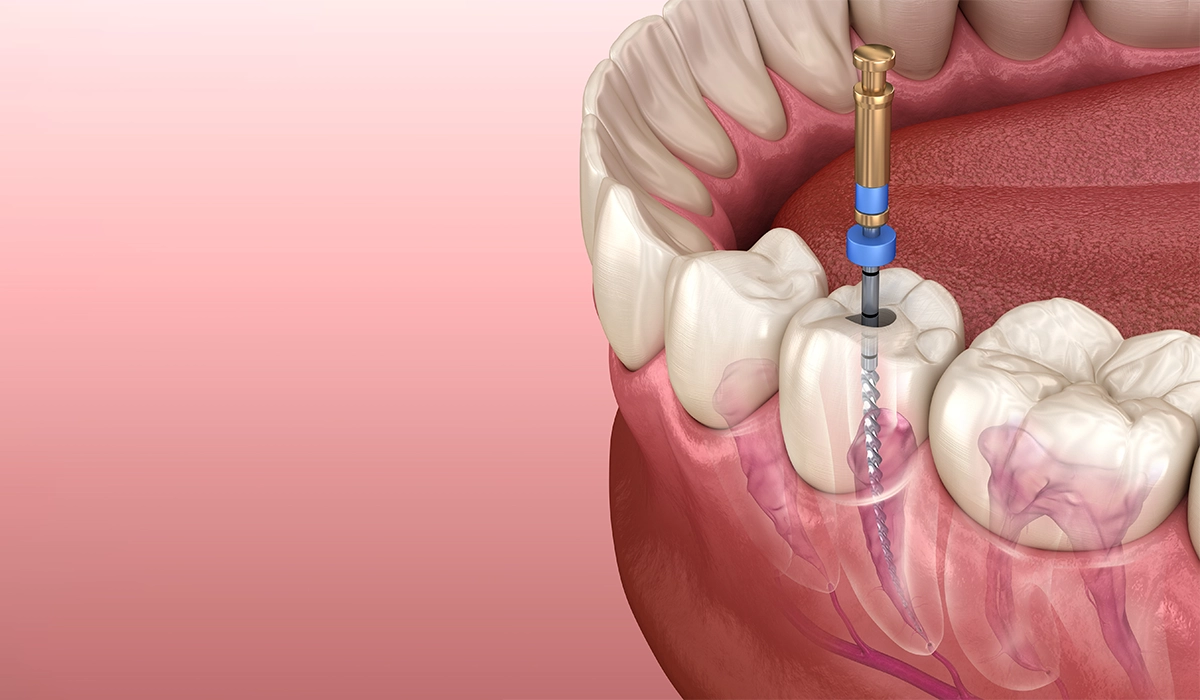
Have you ever wondered what the recovery process is like after a root canal? It’s a procedure that is often feared, surrounded by ominous tales of pain and lengthy healing, but what if we told you the recovery time might not be as daunting as you imagine? In this article, we’ll explore the ins and outs of root canal recovery, including what to expect, potential challenges, and the steps to ensure a smooth healing journey. Buckle up—your post-procedure pathway awaits!
First and foremost, let’s delve into the procedure itself. A root canal is performed to remove infected or inflamed pulp from inside a tooth. Once this critical inner layer is treated, the dentist will seal the tooth to prevent further infection. While many perceive this as a harrowing experience, the relief it brings is often immediate. So, how long should you prepare for recovery once the last instrument is put down?
Generally speaking, recovery time after a root canal varies widely among individuals. Most patients can resume their normal activities within a day or two, but the extent of discomfort and healing time can fluctuate based on various factors. It’s imperative to consider these elements:
1. Degree of Infection
If your tooth was severely infected prior to the procedure, the recovery time may be longer. An acute infection might cause significant inflammation, resulting in more discomfort post-treatment. Conversely, if the infection was caught early, you may find your recovery is swift and uncomplicated.
2. Type of Anesthesia Used
Root canals can be performed under local anesthesia or sedation. Depending on the type used, the recovery experience can differ. Local anesthesia tends to wear off quicker, allowing patients to feel normal sooner, whereas sedation may require a longer recuperation period due to lingering effects.
3. Individual Pain Threshold
Every person has a unique pain threshold. While one patient may bounce back quickly and experience minimal discomfort, another may find the process more taxing. It’s crucial to understand your own body’s responses and be gentle with yourself during this time.
4. Follow-Up Dental Care
Adhering to your dentist’s post-procedure instructions is vital for a smooth recovery. You may be advised to avoid hard foods or to chew on the opposite side of your mouth for a while. Additionally, scheduling a follow-up appointment will help ensure everything is healing as intended.
5. Pre-existing Dental Conditions
If you have other dental issues, such as gum disease or cracked teeth, these can influence how well and quickly you heal. Poor dental health can exacerbate recovery challenges, so maintaining a robust oral hygiene routine before and after the procedure is beneficial.
Common Symptoms During Recovery
During your recovery, it’s commonplace to experience some mild discomfort, which can include:
- Swelling: Mild swelling around the affected area is expected and usually subsides within a few days.
- Pain: Discomfort can persist for a few days, alleviated with over-the-counter pain relievers.
- Sensitivity: You might notice some sensitivity to temperature changes, which often fades as the area heals.
When to Seek Help
While minor symptoms are usually manageable, certain situations warrant immediate attention. If you experience severe pain, prolonged swelling, or any unusual discharge from the treated area, don’t hesitate to contact your dentist. An underlying issue, such as a reinfection, can be addressed if caught early.
Tips for a Gentle Recovery
To make the recovery process less rocky, consider the following suggestions:
- Stick to Soft Foods: In the initial days post-procedure, consume soft, non-irritating foods to avoid straining the affected tooth.
- Hydrate Wisely: Stay hydrated, but opt for lukewarm beverages to diminish sensitivity.
- Rest and Recovery: Listen to your body; taking time off from strenuous activities will aid healing.
- Oral Hygiene: Maintain your oral hygiene routine but exercise caution around the treated area—gentle brushing is key.
Conclusion: The Road Ahead
In summary, while root canal recovery can present its challenges, understanding what to expect and adhering to a few prudent practices can streamline your healing process significantly. By remaining mindful of your body and responding appropriately to any signals it sends, you will likely find the journey more manageable than expected. So, are you ready to face root canal recovery with a sense of calm and assurance? The path is set—embrace it, and soon you’ll be back to enjoying your bite without a twinge of discomfort!










Leave a Comment