Spiders have long stirred a blend of fear and fascination within the human psyche. These eight-legged strangers, often shunned and condemned to the dark recesses of basements or attics, provoke a visceral reaction that teeters between dread and admiration. But amidst the myriad of ways to combat their presence in our homes, a rather provocative inquiry arises: will bleach kill spiders? This common observation opens the door to deeper considerations about the ethics of pest control, the ecological balance, and the curious nature of human interaction with these arachnids.
To address the crux of the matter, let’s first dissect the core element of the inquiry. Bleach, a potent disinfectant known for its ability to eliminate bacteria and viruses, has gained notoriety as a potential weapon against some household pests, including spiders. The active ingredient in bleach, sodium hypochlorite, is indeed lethal to many living organisms. Its corrosive properties can cause significant damage to tissue, making it an effective—if not extreme—solution for spider eradication.
However, the efficacy of bleach on spiders isn’t as straightforward as one might presume. While bleach can kill these creatures upon direct contact, it does not necessarily serve as a long-term deterrent. Spiders are notorious for their evasive maneuvers and ability to retreat into the tiniest of crevices, often eluding the lethal reach of bleach solutions. This brings us to a pertinent point: simply dousing your corners and coves with a bleach solution may not prevent future invasions. Understanding the behavior of spiders is essential if one is to develop a sustainable and effective pest control strategy.
Moreover, one must consider the implications of using such a harsh chemical in domestic environments. Bleach, while effective, is also volatile and presents its own set of dangers to humans and pets alike. The inhalation of bleach fumes can cause respiratory irritations, and prolonged exposure can lead to skin burns. Furthermore, when bleach is mixed with certain substances, such as ammonia, it creates harmful gases that can pose serious health risks. Thus, the use of bleach as an insecticide demands careful consideration, weighing both the potential benefits and inherent risks.
As we delve deeper, we must contemplate the broader ecological impact of such practices. In an age where biodiversity is increasingly threatened, it seems counterintuitive to wield poisons indiscriminately against creatures which play vital roles in our ecosystems. Spiders, for instance, contribute significantly to pest control, preying on insects such as mosquitoes and flies. Their extermination may lead to an unencumbered proliferation of these pests, prompting even greater upheaval in the home environment. An ecological perspective encourages finding balanced solutions that respect the complexity of the natural world.
Instead of resorting to chemical warfare, many homeowners are exploring alternative methods for managing spider populations. One of the most effective approaches is the incorporation of physical barriers. Sealing cracks, gaps, and crevices in your home not only impedes spiders’ ingress but assists in creating a more inhospitable environment for all pests. Additionally, regularly decluttering your home can eliminate potential spider habitats, as these creatures typically seek refuge in undisturbed spaces.
Another leaning toward humane treatment beckons adopting integrated pest management (IPM) strategies. IPM encourages the utilization of natural deterrents such as essential oils—peppermint, lavender, and tea tree oils are particularly noted for their efficacy in repelling spiders thanks to their strong fragrances. Spraying diluted solutions of these oils around entrances and potential spider hotspots creates an aromatic barrier that may entice spiders to seek residence elsewhere.
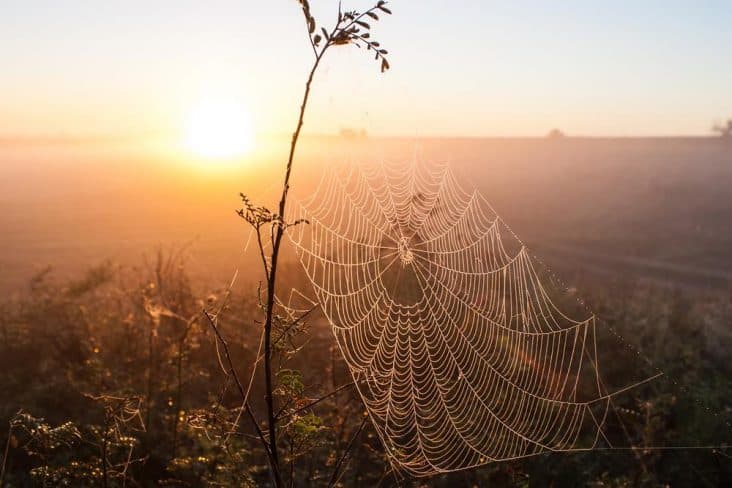
Understanding the intricate relationship between humans and spiders conjures a peculiar fascination. These remarkable creatures, often misconstrued as malevolent pests, possess unique behaviors and adaptations that hypnotize biologists and casual observers alike. They masterfully weave silk, create complex webs, and display a range of fascinating predatory strategies. The allure of the spider world has inspired literature, art, and even folklore throughout history, showcasing the tangled web of human emotions woven around these arthropods.
In light of this complexity, the inquiry into whether bleach will kill spiders presents an expansive canvas. While it technically holds the potential to eradicate spiders, it is essential to weigh its immediate effectiveness against long-term ramifications. The reliance on harsh chemicals often backfires, leading to unintended consequences and disturbances in our delicate ecosystems. Instead, fostering an understanding and respect for spiders can lead to more sustainable solutions, allowing us to coexist with these enigmatic beings without resorting to destructive measures.
Ultimately, the exploration of whether bleach will kill spiders challenges us to rethink our approach to pest control and confront our preconceived notions about these extraordinary creatures. Approaching the question with an informed perspective—prioritizing both efficacy and environmental integrity—nurtures a more harmonious cohabitation with our eight-legged companions, fostering respect rather than fear. In an ever-evolving world, perhaps it is time to appreciate spiders for the beneficial roles they play, as much as we ponder the means of their eradication.











Leave a Comment