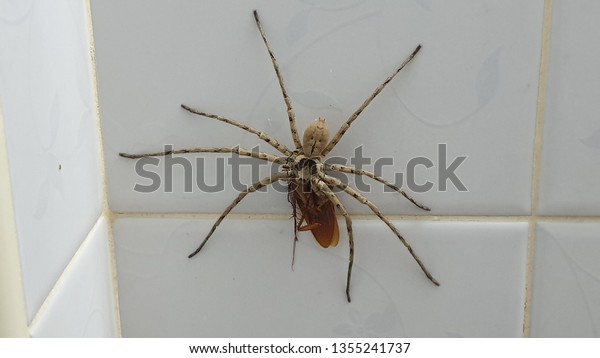
Spiders and cockroaches are two predatory players in the intricate web of the ecosystem, often discussed in the context of pest control and natural predation. The question of whether spiders consume cockroaches often arises, accompanied by a myriad of intriguing facts and considerations about these fascinating creatures. In this extensive exploration, we delve into the relationship between spiders and cockroaches, investigating the various types of spiders known to prey upon cockroaches, the mechanisms involved in their predation, and the overall implications for pest management.
Understanding the Spider-Cockroach Dynamic
The connection between spiders and cockroaches is emblematic of the broader predator-prey relationships that govern the animal kingdom. While spiders are predominantly known for their silk-spinning and web-weaving abilities, they also exhibit predatory behaviors that can include the capture and consumption of cockroaches. Cockroaches serve as a convenient and substantial food source for many spider species, especially those inhabiting urban environments where both species frequently intersect.
Types of Spiders That Eat Cockroaches
Numerous spider species possess the capability to hunt and consume cockroaches. Here are a few notable examples:
- Wolf Spiders: Renowned for their speed and agility, wolf spiders are aggressive hunters that rely on their keen eyesight to locate prey. They do not require webs to trap their food, instead employing a stealthy approach to ambush cockroaches.
- Jumping Spiders: With their distinctive large front eyes and impressive leaping ability, jumping spiders are small but formidable predators. They often hunt cockroaches on the ground or in vegetation, using their excellent vision to gauge distances accurately before pouncing.
- Common House Spiders: Many common house spiders, such as the cellar spider, can also fall into the category of cockroach predators. Although primarily web builders, these spiders are opportunistic feeders and may capture unsuspecting cockroaches that wander too close to their webs.
The Mechanics of Prey Capture
Understanding how spiders capture and consume cockroaches involves examining their unique physiological adaptations. Spiders are equipped with specialized mouthparts called chelicerae, which are capable of piercing the exoskeleton of their prey. Once they grasp a cockroach, spiders typically inject venom via their fangs, which not only immobilizes the cockroach but also begins the process of digestion.
This enzymatic breakdown allows spiders to ingest nutrients efficiently, as they largely consume liquid prey. The predation of cockroaches by spiders can vastly differ depending on the spider’s size and hunting strategy. For instance, larger wolf spiders may tackle several cockroaches in a single hunting session, whereas smaller species may rely on stealth to capture just one.
Environmental Factors Influencing Spider Prey Selection
Numerous factors can influence a spider’s decision to prey upon cockroaches. Habitat, availability of food sources, and the species of spider involved can significantly dictate the predation outcomes. Urban environments are particularly rife with interactions between spiders and cockroaches, as the presence of human dwellings provides ample hiding spots for both critters.
Moreover, factors such as seasonal changes affect the activity levels of both spiders and cockroaches. For instance, during warmer months, the increase in cockroach activity may lead to heightened spider predation.
The Ecological Role of Spiders in Cockroach Control
The predatory behaviors of spiders underscore their vital role in maintaining ecological balance. By consuming cockroaches, spiders contribute to the natural regulation of pest populations. This dynamic is particularly advantageous in agricultural and residential settings, where high numbers of cockroaches can lead to significant disruptions. Thus, spiders serve as a form of natural pest control, mitigating the need for chemical interventions that might otherwise harm the environment.
Challenges and Considerations
While spiders can effectively control cockroach populations, there are challenges involved in their role as predators. Some other insects are resistant to spider predation due to their elusive nature or robust defenses. Furthermore, the effectiveness of spiders as a pest control strategy may vary based on local environmental conditions and the specific species present.
Additionally, not all spiders pose a beneficial role in managing cockroaches. In some cases, the spiders themselves can become pests, leading to a dilemma in pest management strategies. Homeowners often find it necessary to strike a balance between maintaining spider populations and managing cockroach infestations.
Conclusion: A Natural Alliance Against Pests
In conclusion, the relationship between spiders and cockroaches is a fascinating interplay that reveals much about natural predation and ecological balance. Numerous types of spiders prey upon cockroaches, employing various strategies to capture and consume them effectively. By serving as natural predators, spiders contribute significantly to controlling cockroach populations in both urban and agricultural environments.
Ultimately, understanding this dynamic can help homeowners and pest management professionals devise strategies that leverage natural predators, reducing dependency on chemical pesticides and fostering a healthier environment. As we continue to explore the intricacies of our ecosystem, the alliance between spiders and cockroaches stands as a testament to nature’s remarkable balance.











Leave a Comment