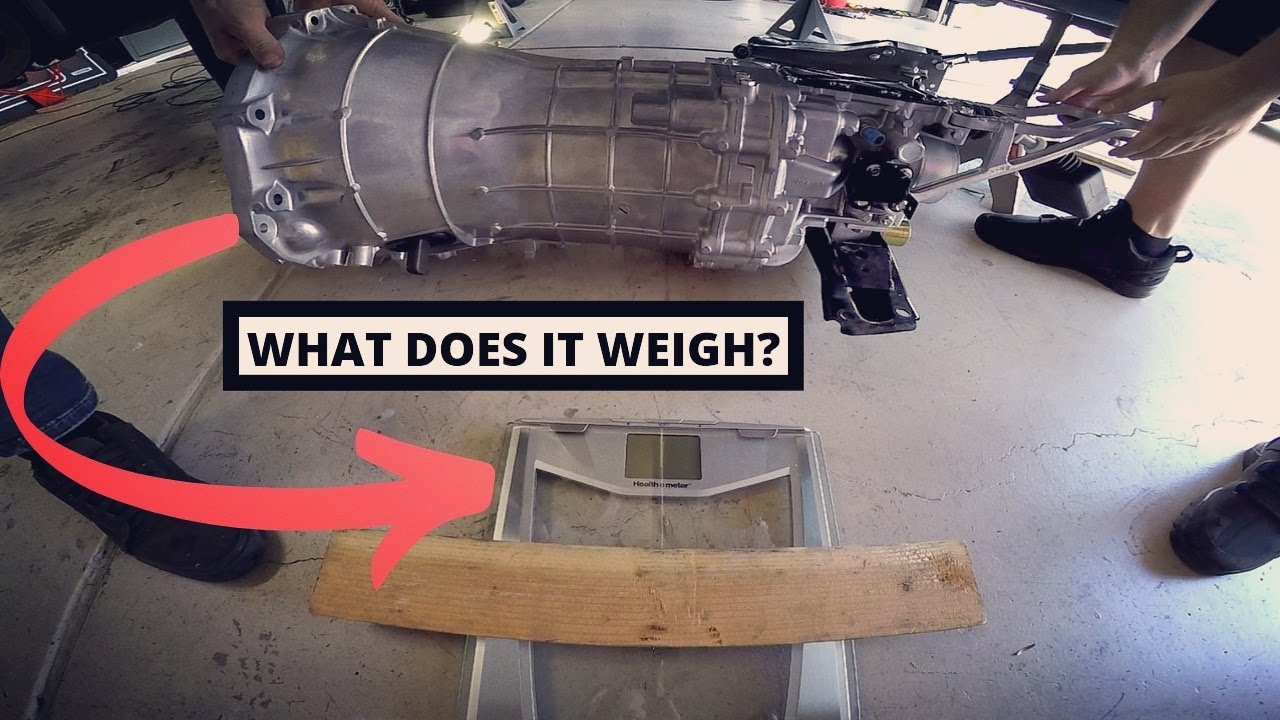
When embarking on the journey of understanding automotive components, one might be surprised by the weight of a transmission. This seemingly simple question—“How much does a transmission weigh?”—is laden with numerous variables, making the answer decidedly complex. Transmissions are vital components in vehicles, serving as the intermediary between the engine’s power and the wheels, facilitating a seamless driving experience. However, the weight can vary significantly based on several factors, including the type of transmission, the vehicle it’s designed for, and the materials used in manufacturing. In this article, we will delve into the nuances that contribute to the weight of a transmission, exploring different types of transmissions, their respective weights, and other relevant considerations.
To begin with, it is crucial to categorize transmissions into their primary types: manual, automatic, continuously variable (CVT), and dual-clutch transmissions (DCT). Each type boasts unique characteristics that influence not only their functionality but also their weight.
Manual Transmissions
Manual transmissions, often deemed a purist’s choice, typically weigh between 100 to 150 pounds (approximately 45 to 68 kilograms). Their relatively straightforward design utilizes a series of gears and a clutch, facilitating a direct connection between the engine and the wheels. The absence of hydraulic components—a hallmark of automatic systems—results in a more lightweight construct. Yet, the weight can fluctuate depending on the number of gears. More gears often translate to additional components, potentially increasing overall weight.
Automatic Transmissions
In stark contrast, automatic transmissions, heralded for their convenience, generally weigh between 150 to 250 pounds (about 68 to 113 kilograms). The complexity of hydraulics, torque converters, and electronic controls adds weight. The presence of various clutches and gears in automatic systems can produce a robust assembly, which enhances performance but inevitably contributes to heft. Furthermore, newer technologies, such as eight-speed automatics, are designed for efficiency and power, necessitating additional components that can influence weight significantly.
Continuously Variable Transmissions (CVT)
Continuously variable transmissions are an innovative take on power delivery, employing a system of pulleys rather than fixed gears. The weight of CVTs typically falls in a range similar to that of manual transmissions, generally around 120 to 200 pounds (approximately 54 to 91 kilograms). CVTs boast a unique advantage in terms of efficiency and fuel economy, yet various designs and materials can sway their overall weight. One must also consider that the automotive market has seen advances in lightweight materials, which can further affect the mass of CVTs.
Dual-Clutch Transmissions (DCT)
While dual-clutch transmissions bring a fusion of manual and automatic experiences, they often transpire to be on the heavier side, averaging between 150 and 300 pounds (roughly 68 to 136 kilograms). DCTs incorporate two separate clutches for odd and even gears, resulting in rapid shifting capabilities. The sophistication of this design, combined with its multi-component nature, contributes to its increased weight. However, the efficiency gains afforded by DCTs often justify this heft, especially in high-performance vehicles.
Additional Factors Influencing Weight
The aforementioned categories only scratch the surface. Various other aspects play a crucial role in determining the transmission’s weight. For instance, the materials utilized—such as aluminum or steel—can significantly influence overall mass. Aluminum, being lightweight and resistant to corrosion, is often favored in modern transmissions to reduce weight without compromising strength. Conversely, steel components, while heavier, can offer enhanced durability and resistance to wear.
The size of the engine being paired with the transmission is another factor that cannot be disregarded. Larger engines generally require more robust transmissions to handle the power they produce, which can inadvertently lead to increased weight. For instance, a turbocharged engine might necessitate a more substantial transmission compared to a naturally aspirated engine, thus impacting the overall configuration.
It is also essential to consider the added components associated with modern transmissions. Things like cooling systems, electrical wiring harnesses, and control modules contribute to the total weight. The evolution of technological advancements, such as enhanced electronic controls and adaptive systems, often requires additional weight in the form of sensors and electronic units, reflecting the trade-off between sophistication and mass.
Lastly, consider the vehicle’s purpose. Commercial trucks and performance vehicles often employ heavier, more robust transmissions to withstand rigorous use, which inherently alters weight categorization when compared to standard passenger vehicles.
Conclusion
Understanding how much a transmission weighs is not merely a matter of looking up a number; it encapsulates a world of complexity and considerations. The weight varies tremendously based on the type of transmission—whether manual, automatic, CVT, or DCT—as well as the materials and components involved. As you contemplate the appropriate transmission for a vehicle, bear in mind that weight plays a critical role in efficiency, performance, and overall drivability. Ultimately, knowing the implications of transmission weight can provide valuable insights into vehicle performance and functionality, guiding both consumers and automotive enthusiasts alike in their endeavors.











Leave a Comment