Creating a storyboard for a book is an intricate process that not only shapes the narrative but also visualizes the journey of characters and settings. Whether you’re an experienced writer or embarking on your first literary endeavor, having the right supplies can significantly streamline the process. This guide will elucidate the essential materials you’ll need to craft an effective storyboard, providing insights into their specific functions and contributions to your overall vision.
1. Storyboard Templates
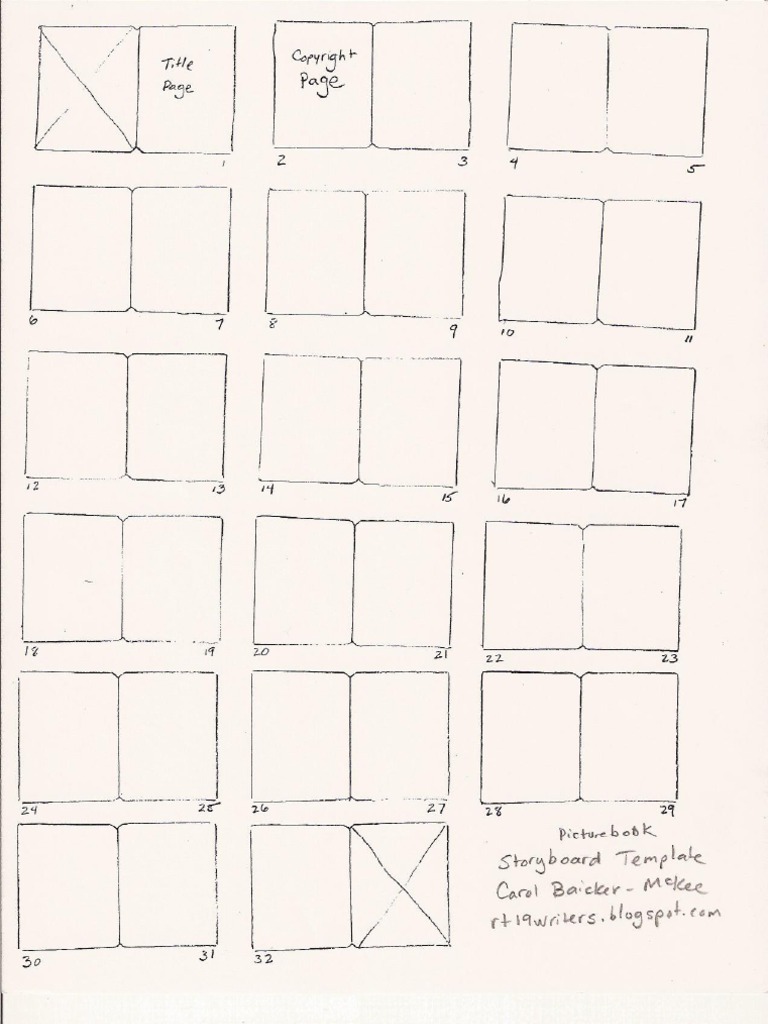
Storyboard templates serve as the framework for organizing ideas visually. These can be found in various formats, from printed sheets featuring designated boxes to online templates that can be filled digitally. A well-structured template includes sections for images, sketches, and annotations, allowing you to sequence events fluidly. Depending on your preference, consider purchasing pre-made templates or creating your own to cater to your specific storytelling style.
2. Writing Utensils
The medium you use to brainstorm and jot down your thoughts can impact creativity. Invest in high-quality writing utensils such as pens, markers, and pencils. Colored markers can delineate different characters, themes, or timelines, while pencils offer the flexibility to erase and modify sketches effortlessly. Consider using gel pens for a smooth writing experience, enhancing the clarity of your ideas.
3. Sketching Tools
Even if you aren’t a seasoned artist, sketching is an invaluable part of storyboarding. Gather supplies such as sketch pads, charcoal pencils, or even digital drawing tablets. Experimenting with different mediums can help you visualize scenes more dynamically. These tools empower you to convey emotions and actions that might be difficult to describe with words alone.
4. Comprehensive Notes and Index Cards
Notes are the backbone of any storyboard. Index cards can be a fantastic asset, enabling you to jot down character traits, plot points, or scene descriptions concisely. The portability of these cards allows you to shuffle them around, aiding in the reorganization of ideas as your story evolves. Moreover, maintaining a separate notebook for extensive notes will ensure that all concepts are documented cohesively.
5. Reference Material
Gathering reference materials enriches your storytelling and provides context. These could include images from magazines, photographs, or art books that inspire your characters or settings. Having a visual library will fuel creativity and support the plausibility of your narrative elements. Keep these materials organized in a binder or digitally compiled for easy access while storyboarding.
6. Digital Tools and Software
In today’s technological age, there is an abundance of software designed to assist with the storyboarding process. Programs like Storyboard That or Canva offer user-friendly interfaces for creating digital storyboards. These tools often include templates, drag-and-drop features, and the option to incorporate multimedia elements. Utilizing digital platforms can enhance collaboration if you’re working with co-authors or illustrators.
7. Mood Boards
A mood board is an inspiring visual collage that represents the atmosphere and aesthetic of your story. Utilize materials such as magazine clippings, fabric swatches, and color palettes to capture the essence of your narrative. Crafting a mood board not only clarifies your vision but also serves as a tactile reference throughout the writing process, keeping you aligned with the story’s tone.
8. Organizational Tools
Staying organized is key when developing a storyboard. Invest in folders, binders, or digital organization software to keep all your materials accessible. Color-coded tabs can help categorize character arcs, plot developments, and thematic elements, allowing for an intuitive navigation of your storyboard. Utilizing project management applications can also streamline tasks and deadlines.
9. Brainstorming Resources
Your storyboard will benefit immensely from extensive brainstorming. Utilize brainstorming resources like mind mapping tools or brainstorming techniques such as the “Five Ws” (Who, What, Where, When, Why). These methods will help explore new angles and dimensions to your story while igniting fresh ideas. Collaborative apps can foster group brainstorming sessions, providing an additional layer of creativity through shared input.
10. Feedback Channels
Lastly, don’t underestimate the value of feedback in refining your storyboard. Create channels for critique, whether through writing groups, beta readers, or trusted friends. Constructive criticism can unveil blind spots in your narrative and offer new perspectives that augment the depth of your story. Keep a feedback folder handy to store commentary for future revisions.
In conclusion, the supplies for storyboarding a book are as dynamic as the stories you wish to tell. By equipping yourself with a diverse array of tools—from templates and sketching materials to digital resources and organizational aids—you can effectively translate your ideas into a cohesive visual narrative. As you embark on this creative journey, remember that each supply serves a unique purpose, melding together to illuminate the intricacies of your storytelling. This meticulous preparation will ultimately pave the way for the substantive creation of your manuscript, enriching the reader’s experience with depth and clarity.










Leave a Comment