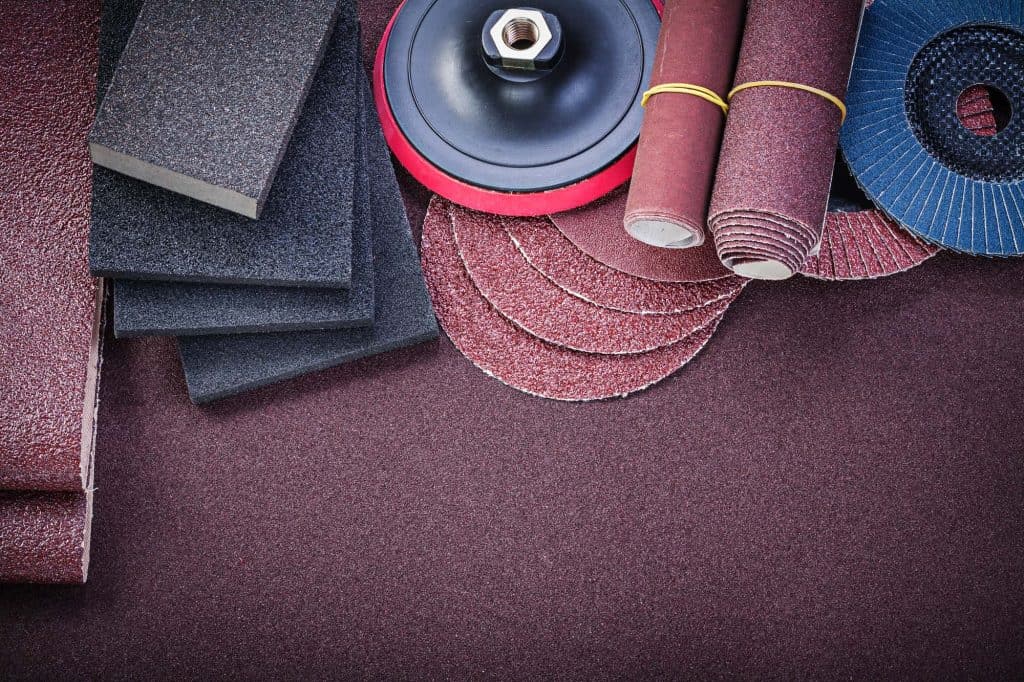
When embarking on a drywall project, one vital accessory that often intrigues both novices and seasoned tradespeople alike is grit sandpaper. This seemingly innocuous material wields incredible influence over the final aesthetic of any drywall surface. Whether it’s smoothening joints, preparing patches, or refining finishes, the choice of grit can significantly alter the outcome. Exploring what grit sandpaper is ideal for drywall applications reveals intricate nuances that captivate both the analytical mind and creative spirit alike.
Understanding Sandpaper Grit
Grit refers to the coarseness or fineness of sandpaper, defined by the number of abrasive particles per square inch. Higher numbers indicate finer grits, while lower numbers signify coarser ones. The relationship between these numbers and their effect on drywall surfaces is pivotal to understanding what to use at various stages of your project.
The Hierarchy of Grits
When dealing with drywall, it’s essential to navigate through the various grits effectively. Below is a breakdown of the typical grits utilized during the drywall sanding process:
- Coarse Grit (40-60): These grits are exceedingly abrasive and often suited for initial sanding tasks. When tackling rough drywall patches or removing texture, coarse grit can make quick work of uneven surfaces.
- Medium Grit (80-120): This is the most versatile range. Medium grits serve to smooth out imperfections leftover from coarse sanding. It preps the surface for subsequent finer sanding rounds, helping to achieve a level evenness without sacrificing efficiency.
- Fine Grit (150-220): Fine grits are essential for achieving a polished surface. This grit level eliminates any scratches left by coarser grades, paving the way for a seamless finish before painting or priming occurs.
- Extra Fine Grit (240 and above): Occupying the upper echelons of grits, extra fine is used primarily for final touch-ups or smoothing applications. Here, light contact is key, preserving the integrity of the drywall while enhancing its tactile smoothness.
Choosing the Right Grit for Your Project
Each project varies significantly, necessitating a thoughtful selection of grits. The first and foremost consideration should be the condition of the drywall surface in question. If you’re working with new drywall, starting with medium grit to eliminate any residual tape edges or joints is prudent. As surfaces become more refined, transitioning to fine grit allows for precise smoothing, which is vital for achieving a professionally finished product.
One common observation among DIY enthusiasts is that many gravitate toward fine grit too early. This approach can lead to frustration, as fine sandpaper is not equipped to handle more stubborn imperfections. An essential tip is to resist the temptation to skip steps in the sanding hierarchy. Instead, proceed deliberately through the grits to achieve optimal results.
Factors Influencing Grit Selection
Besides the drywall surface condition, other influential elements must also be contemplated. The choice of grit can differ based on:
- Type of Joint Compound: Certain joint compounds sand differently. For instance, lightweight compounds tend to require finer grits, while heavier types may demand the coarser grits for effective removal.
- Desired Finish: Consideration of the final outcome is paramount. A glossy paint finish, for example, necessitates a smoother surface than a matte finish would. Adjust your sanding grit accordingly to align with the intended aesthetic.
- Sanding Technique: The method of sanding can also modify how grit functions. Hand sanding may require different grits than using a power sander. Furthermore, ensuring even pressure distribution can enhance the effectiveness of the chosen grit, therefore achieving more uniform results.
Tools and Accessories
Your choice of tool significantly influences how your selected grit performs. Hand sanding blocks, sponge sanders, and power sanders all offer distinct advantages. While hand sanding affords meticulous control, power sanding expeditiously tackles larger areas. Investing in the right tools ensures you glean optimal results from your chosen grit.
Moreover, always don personal protective equipment (PPE) such as masks and goggles, especially when dealing with finer grits, to avoid inhaling dust particles and to safeguard your vision.
Best Practices for Sanding Drywall
To maximize the effectiveness of sandpaper grit while sanding drywall, adhere to these best practices:
- Sanding Technique: Employ a circular motion or light back-and-forth movements. Avoid excessive pressure, which may compromise the drywall surface.
- Keep It Clean: Dust build-up can alter how effectively grit performs. Regularly clear away accumulated dust to maintain a consistent sanding surface.
- Examine Progress: Periodically inspect the surface after sanding each grit stage. This attentive approach ensures that each level is thoroughly completed before proceeding.
Conclusion
In summary, the choice of grit sandpaper for drywall is a multifaceted decision influenced by both the specific requirements of the project and the desired finish. Understanding the gradations of grit, the condition of the surface, and employing best practices ensures a polished and professional result. As you immerse yourself in the art of sanding drywall, consider the wisdom in taking deliberate steps through the grit hierarchy—a seemingly simple choice that unveils layers of potential within your work. The careful selection of grit not only contributes to a pristine surface but nurtures the inherent satisfaction found in craftsmanship.










Leave a Comment