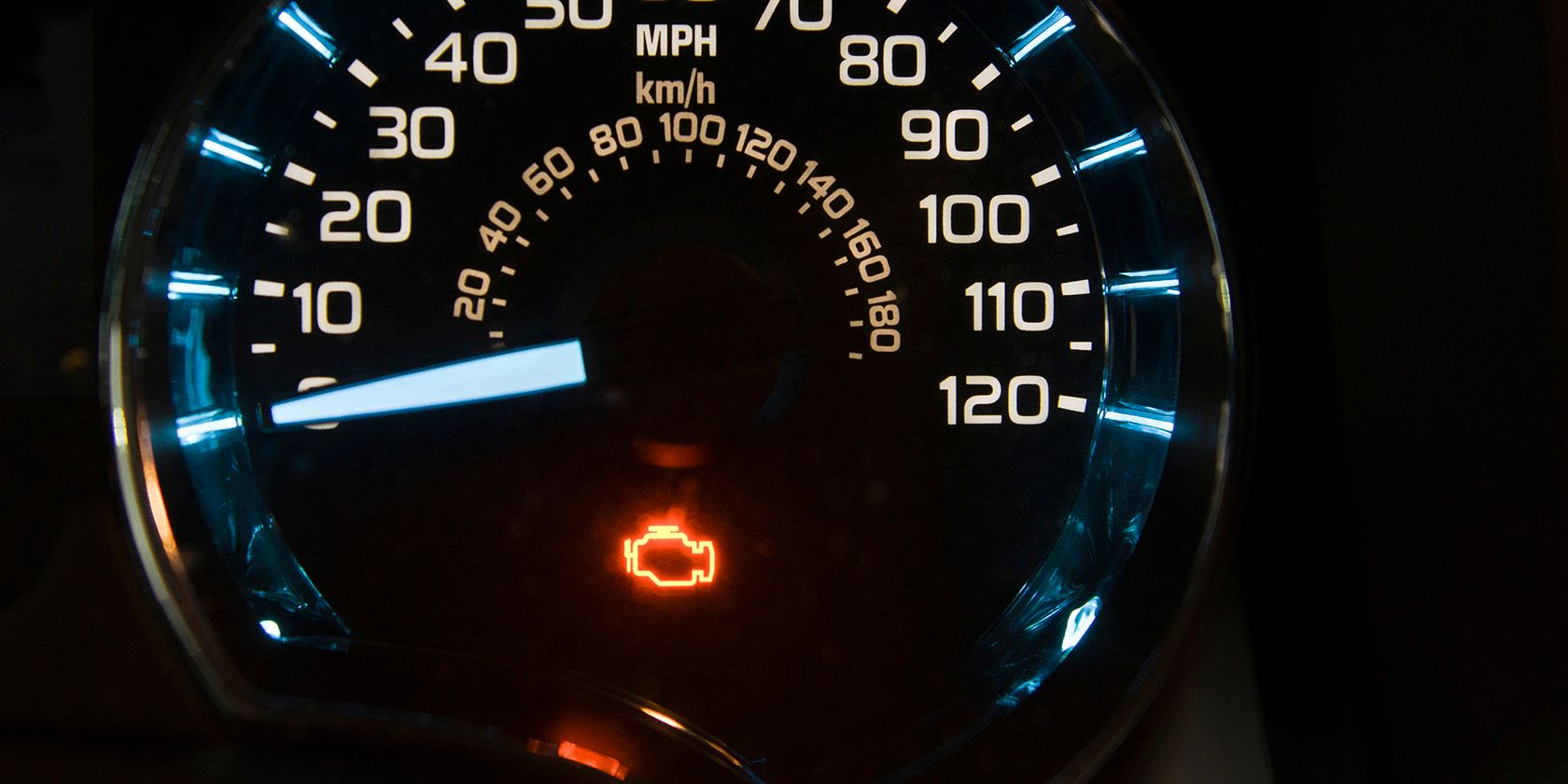
Have you ever been merrily cruising down the road when suddenly, your check engine light starts flashing like a weather warning siren? It’s a disconcerting situation that raises a myriad of questions: What could be wrong? Is my vehicle’s engine about to throw a tantrum? Should I be concerned, or is it merely a fleeting glitch? Let’s delve into the myriad reasons behind why your check engine light might be doing the shimmy and how to address this conundrum.
Understanding the Check Engine Light
The check engine light is one of the most recognized symbols on your dashboard, yet its implications can range from benign to serious. Its primary function is to convey that your vehicle’s onboard diagnostics have detected an anomaly within its systems. The complexity of modern engines means that this little light can signify numerous issues. Thus, if the light is flashing rather than remaining steady, it indicates an urgent problem that requires immediate attention.
1. Ignition System Maladies
One primary reason your check engine light may be flashing is due to malfunctions within the ignition system. Components such as spark plugs, ignition coils, or wires may be deteriorating. A failing spark plug can cause misfires, disrupting the normal and harmonic cadence of your engine. If neglected, such issues can lead to further complications, potentially culminating in catastrophic engine failures.
2. Fuel Delivery Fiascoes
Imagine a meal prepared with exquisite ingredients, only to have the chef forget the essential seasoning—your engine operates similarly. A malfunction in the fuel delivery system, including a clogged fuel filter or failing fuel pump, can inhibit the engine’s ability to receive the necessary fuel. Such restrictions can prompt the check engine light to flash, signalling that the engine isn’t running at optimal efficiency. If left unresolved, these fuel system miscommunications can result in performance degradation and increased emissions.
3. Emission Control Imbalances
Modern vehicles are equipped with sophisticated emission control systems that mitigate pollutants from your exhaust. A flash from your check engine light could be an indication that these systems, including the catalytic converter or oxygen sensors, are failing. Such malfunctions not only affect your car’s performance but can also lead to failing an emissions test, posing a challenge if you live in an area with stringent environmental regulations.
4. Engine Overheating
Heat is the enemy of an engine. Excessive temperatures can cause all sorts of havoc under the hood. If the check engine light is flashing in conjunction with rising temperature gauges, you may be facing the prospect of engine overheating. This could stem from a malfunctioning thermostat, a failing water pump, or a leak in the cooling system. Neglecting an overheating engine can lead to extensive damage, so timely intervention is critical.
5. Transmission Troubles
While the check engine light primarily pertains to the engine, it can also indicate transmission issues. A malfunction in the transmission system may result in erratic shifting or slipping, prompting the check engine light to flash. This kind of problem can significantly affect your vehicle’s drivability, creating a unique challenge in both performance and safety.
6. Loose or Damaged Gas Cap
Sometimes, the culprit behind a flashing check engine light is a more mundane issue—like a loose or damaged gas cap. A proper seal is crucial for the fuel system’s integrity, and without it, the system may trigger the check engine light. This minor concern is easily remedied, yet it serves as a reminder that trivial issues can contribute to larger problems if overlooked.
7. Sensor Failures
Modern engines rely on a variety of sensors to monitor and regulate performance. These systems communicate electronically, distributing vital data. If a sensor such as the mass airflow sensor or crankshaft position sensor fails, it can result in a flash from the check engine light. Sensor failures may also lead to suboptimal fuel consumption and diminished power output, creating a ripple effect of discomfort and inconvenience.
8. Oil Improperly Monitored
Oil is the lifeblood of your engine, and maintaining proper levels is crucial. If the oil pressure light is illuminated concurrently with the check engine light, it may indicate oil starvation. Inadequate lubrication can lead to severe wear and tear, hence prompting immediate action. Regular oil changes and monitoring oil levels are essential practices every vehicle owner should adopt.
Final Thoughts
A flashing check engine light can be both unsettling and perplexing, yet understanding its implications can equip you to tackle the underlying issues effectively. From ignition failures to sensor malfunctions, a myriad of potential challenges lurk beneath that tiny light. This cautionary signal calls for immediate diagnosis and resolution to avoid further complications. Regular maintenance and awareness can keep your vehicle healthy and your trips serene. The next time that pesky light flickers, you’ll be prepared to meet the challenge head-on.







Leave a Comment